
Home Blog Page 10

Embracing AI – Curiosity to Necessity

0

Since the rapid introduction and widespread adoption of generative AI in the workplace, there’s been speculation about which jobs could be replaced and what this means for future generations at work. While some roles may be automated, experts also believe AI will create new opportunities and transform existing jobs, shifting the employment landscape rather than simply reducing the number of jobs available.

Prosperity 24/7 is supporting businesses as they adapt to these changes. Their people-first approach and readiness service help organisations embrace new technology in ways that benefit both the business and its employees. Staff are encouraged to experiment with AI, which helps develop tailored solutions for clients.

Two team members, Alex Ferreira and Kyra Crous, have been exploring how AI integrates into their professional routines. Both find AI useful for daily administrative tasks and technical aspects of their roles. Alex, a Junior Consultant in the Technical Solutions team, uses AI for drafting emails, improving communication, learning new concepts, troubleshooting, and as a copilot for coding. “I find it helps me write more clearly and confidently. In my IT role, I turn to AI to understand new concepts, troubleshoot problems, and as a copilot for coding to generate suggestions and write more efficient code.”

Kyra, a Junior Data Consultant in the Business Solutions team, uses AI for debugging and understanding unfamiliar code. “Working in a team where we all specialise in different programming languages, it is essential for allowing us to understand each other’s work without spending hours cross-referencing the code to websites. Additionally, as someone who is not great at putting actions into words, AI helps me with my documentation and ensures that the highly technical components are understandable to clients, regardless of their technical background. I also use it for idea validation, to check if my approach to a problem is feasible before I commit time to it.”

The teams at Prosperity 24/7 predominantly use Microsoft’s generative AI tool, Copilot in their daily work and help clients implement Copilot solutions. Whether it’s streamlining administrative tasks in Microsoft Office or tackling more advanced coding or data analysis in Power BI and Fabric, Copilot is embedded across Microsoft platforms to enhance the service Prosperity 24/7 offers to clients.

For Kyra, curiosity about AI’s capabilities sparked her interest, but it has since become essential to her role. As a Data Consultant, she helps businesses access and prepare data so clients can extract meaningful information. Initially sceptical about AI’s effectiveness, Kyra now relies on it not just for simple queries but as a guide in unfamiliar territory, such as learning SQL.

Alex also highlights the importance of prompt engineering. “I started with generic prompts to see what AI could do, then refined my approach over time. Although initially time-consuming, being more specific and detailed with my prompts produced much more useful and consistent results.”

Artificial intelligence is here to stay, but it won’t replace the need for human judgement. Alex and Kyra both see the benefits and risks, with AI freeing up time for creativity and innovation but also posing risks of over-reliance and reduced accountability. Kyra notes, “AI will make the technical side of data engineering more efficient, but it will never fully replicate a human’s ability to connect industry nuance to the data and insights.”

If you’re AI curious, Alex advises experimenting with its capabilities and considering how AI could assist with your daily work. “Remember that it is a copilot rather than an autopilot. It isn’t there to completely control your work experience. It is meant to be collaborative. Also be aware of the information you share in case it is sensitive or confidential.”

Talk to Marcus Bailey at Prosperity 24/7 if you would like to satisfy your AI curiosity. Email: marcus.bailey@prosperity247.com
A New Chapter… Introducing Private Capital

0

At Highvern, we are proud to open a new chapter with the launch of Private Capital – an evolution of our long-standing fiduciary services into a broader platform that reflects today’s wealth priorities. Private Capital is about more than structures; it is about stewardship, legacy, and supporting ambition across generations.

We know that wealth today is not only about preservation but also growth, governance, and purpose. Families, entrepreneurs, and private capital providers are increasingly shaping their own strategies, from private investments to philanthropy. Our role is to give them the clarity and confidence to pursue those ambitions with well-structured, long-term solutions. And because wealth is never static, we structure it with the next generation in mind – ensuring that family legacies remain strong, relevant, and ready for the future.

What makes Highvern different is the people behind our services. Our senior directors bring on average, more than 20 years’ experience in private wealth and fiduciary services. This depth of expertise is matched by enduring relationships with over 400 clients across Jersey, Guernsey, Cayman, and the UK. Each client benefits from direct access to senior decision-makers who understand the complexities of intergenerational wealth and the governance frameworks that support it.

Private Capital brings together that technical strength with a service philosophy rooted in discretion, accountability, and innovation. Whether through private trust companies, family office solutions, investment and holding vehicles, or support for philanthropy and lifestyle assets, we provide structures that adapt as families and businesses evolve.

Backed by long-term family office capital, we combine stability with the flexibility to support clients through new ventures, business exits, and cross-border growth. Our team’s focus is on exceeding expectations together with our clients – delivering not just administration, but long-term partnerships that protect legacies and enable ambition.

Private Capital is more than a division of Highvern. It is a mindset: a way of thinking about ownership, responsibility, and continuity. With the strength of our people, the trust of our clients, and the values that define us, we are proud to set new standards in wealth stewardship – for today and for generations to come.

Contact Richard Joynts on +441534 480 656  richardjoynt@highvern.com  www.highvern.com

Relative Values

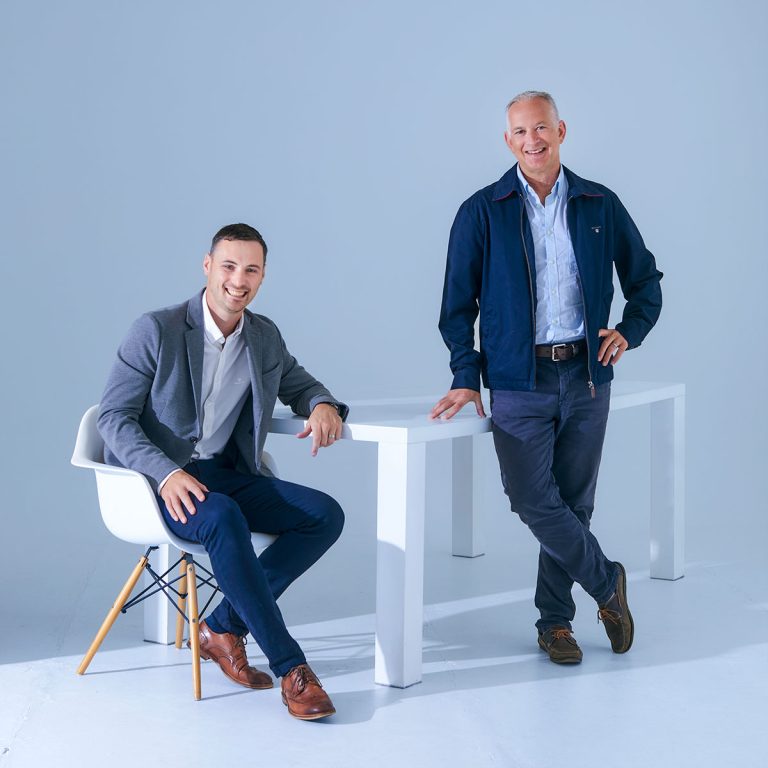
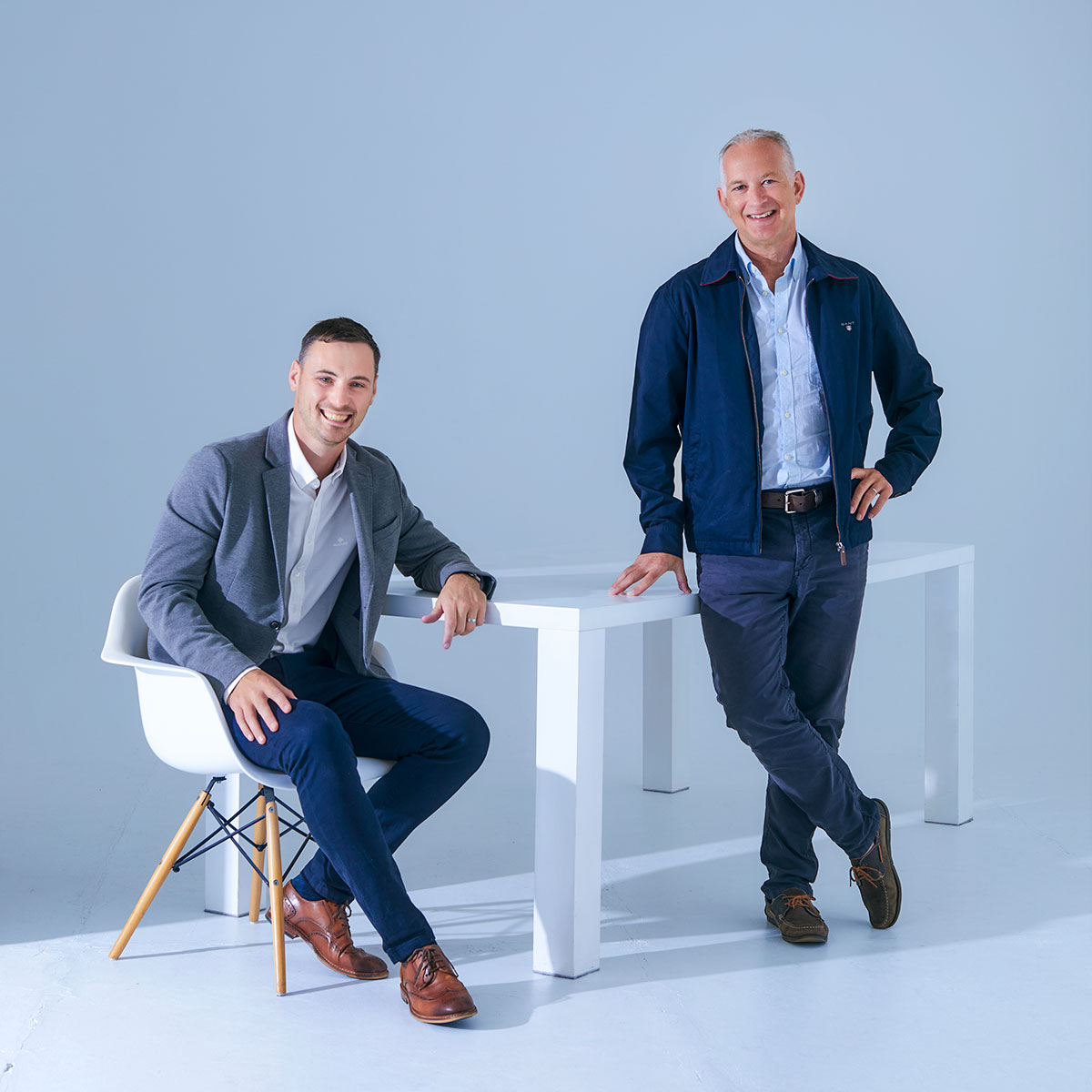
Richard Mayo and Lucas Foreman are Directors of Odin Investment Management, an independent firm named after the Norse god of wisdom and knowledge. Founded in 2007 and based in St Peter’s, Odin remains 100% independently owned. With an open-door policy and over 190 years of combined expertise, the team offers clients a refreshingly personal approach to investment management.

Odin specialises in bespoke discretionary portfolios for clients with £500,000+ to invest, tailoring each strategy to individual goals rather than standard templates. Their diversified approach spans equities, bonds, and cash across a broad range of sectors. By combining different styles, such as value and growth, Odin aims to deliver strong, consistent returns while helping smooth market volatility. All client assets are securely ring-fenced with a regulated Jersey bank.

Odin is proud to mark the first anniversary of its Model Portfolio Service (MPS), available to investors from £50,000. Designed with the same discipline as our bespoke portfolios, these actively managed strategies are custodied with a leading global provider and accessible online. In its first year, performance has been strong relative to industry benchmarks.

LUCAS FOREMAN

Favourite possession 

Golf Clubs

Favourite place

Greece – great beaches, people, and food.

Favourite colour

Grey

Favourite animal

Ducks

Favourite smell

Fried Bacon

Favourite way to spend a weekend

Spending time with family, watching football and playing golf.

Favourite food

Chips, nothing beats a potato-based product.

Favourite ice cream flavour

Chocolate

Favourite restaurant

Cheffins, the “Tribute to Beef” is fantastic!

Favourite pastime

Football, now spend my time watching rather than playing. You’ll often catch me down St Clements on a Saturday or watching Manchester United.

Favourite film 

Gladiator

Favourite holiday 

Island hopping in Greece is always great fun.

Favourite song

Coldplay – Yellow

Favourite person 

My daughter Lotta (following in an extremely close 2nd is my wife, Loren).

Favourite celebrity 

Adam Sandler

Favourite things to splurge on 

Holidays, worth every penny.

RICHARD MAYO 

Favourite possession

iPhone, closely followed by training shoes & passport!

Favourite place 

Porto Santo

Favourite colour 

Red

Favourite animal 

Cheetah

Favourite smell 

The Ocean (walking along St Ouen’s Bay) & BBQ food.

Favourite way to spend a weekend 

Run, swim, Thai curry, beer and socialising. 

Favourite food 

Thai or Indian although I just love an egg mayo & beetroot sandwich.

Favourite ice cream flavour 

Stuart Young’s Jersey ’99 ice cream obviously!

Favourite restaurant 

Bonne Nuit Café (but annoying its only open 6 months a year!)

Favourite pastime 

Running, swimming, walk/trekking or watching any sports live or on TV.

Favourite film 

Gladiator with Russell Crowe.

Favourite Holiday 

Serengeti safari

Favourite song

‘La La La’ by Harrison Mayo

Favourite person 

Wife Liz and extremely closely followed son Harrison (or my mum if I have to choose one person).

Favourite celebrity 

Denzel Washington

Favourite things to splurge on 

Adventure holidays and more training shoes.

Old, but gold

0

Matt Girard from Titan Wealth discusses the resurgence of gold as an investment asset.

In today’s investment landscape, it’s easy to get distracted by the latest financial fads. Scroll through your news feed and you’ll see endless chatter about crypto, start-up IPOs, and even fractional ownership of anything from fine art to rare sneakers. But while investors have been distracted by shiny new toys, gold has been quietly doing what it’s done for millennia: holding its value and, in recent months, climbing to record highs.

During 2024, the price of gold surged repeatedly, setting all-time highs and drawing serious attention from investors worldwide. Its rally has been driven by a mix of inflation worries, geopolitical tension and declining confidence in the stability of currencies. In fact, trading volumes in gold have been outpacing many other major financial markets, and institutional demand is soaring. According to figures from the World Gold Council, central banks are buying up gold in historic quantities, collectively adding more than 1,000 tonnes of gold to their reserves in each of the past three years. This is a sharp increase compared to the 400–500-tonne annual average seen over the previous decade and many expect this trend to continue throughout 2025.

One of today’s hottest assets, gold is also one of the oldest; its story stretches back thousands of years. It was first used as jewellery around 4,000 BC, with the earliest known gold coins struck under King Croesus in the 6th century BC, and it has been seen as a store of wealth ever since.

Fast-forward to today and there are almost endless amounts of “alternative” investments. Not so long ago, Bitcoin was the headline-grabbing “digital gold”, but before 2009 crypto didn’t even exist. Now, investors and non-investors alike are familiar with the terms Ethereum and Dogecoin. While crypto’s rise has been meteoric, it’s also been volatile – one week to the moon, the next in freefall. Trends will come and go – crypto today, something entirely new tomorrow. But gold has been here for over 6,000 years, outlasting empires, economies and countless fads.

It’s always seemed odd to me that gold hasn’t been spoken about with the same awe – at least not in recent times. Maybe because it’s always been a part of our day-to-day lives, it’s not new and exciting anymore. But what it might lack in novelty and excitement, it makes up for in centuries of trust and a track record of weathering global crises.

While gold doesn’t require a blockchain wallet or a crash course in crypto, there are often misconceptions that there are lots of barriers to entry or that it’s just too expensive for your average investor. Admittedly, a single kilo bar currently costs around $115,000 – not exactly an amount everyone can casually invest in.

But it doesn’t have to be all or nothing. Physical gold comes in many sizes, with smaller bars and coins available. A single troy ounce, for instance, sits around $3,600, making it far more accessible. If holding physical gold isn’t your thing, there are plenty of other options: gold ETFs and ETCs, or shares in mining companies all offer exposure to the asset.

As we move through 2025, with central banks steadily accumulating bullion, inflation persisting, and ongoing geopolitical uncertainty, gold is once again becoming central to investment strategies. Whether you’re looking to diversify your portfolio or simply want a tangible hedge against uncertainty, gold can be a smart addition to many investment portfolios.

Wealth Industry Profile: Dean Layzell – Investment Manager, Rathbones

0

Growing up in Jersey, Dean seized every opportunity, stepping straight into the world of banking rather than heading off to Uni. From the outset, one ambition stood out: to become an Investment Manager. Although at times conscious that the absence of a degree might prove a setback, he channelled that determination into professional qualifications. Over the past decade, this dedication has seen them achieve an impressive suite of credentials, including the Investment Management Certificate, Investment Advice Diploma Securities (Level 4), Private Client Investment Advice & Management (Level 6), the Chartered Wealth Manager qualification (Level 7), and most recently the prestigious Chartered Financial Analyst (CFA) designation, having completed all three levels of the globally respected programme. It has been a demanding journey with late nights, weekends, and countless hours of study, but persistence has paid off. Today, Dean is proud to be part of Rathbones, exactly where they had always set their sights.

What was the first moment you knew you wanted to work in investing? 

I actually always knew I wanted to work within the Investment industry. It was written into my yearbook at the end of Sixth Form at Victoria college. There’s only a few industries which require understanding of numbers, psychology and behavioural factors and an environment which is constantly changing. The stock market is driven by all these factors and more which makes my job very interesting. 

Was there an early money lesson or personal experience that shaped how you think about risk?

I’d say the meaning of the word risk has evolved significantly since I began my career. In modern English, risk often carries negative connotations. The term ‘risk’ actually derives from the Italian “risco” or “riscoare”, used in maritime contexts during the Middle Ages to describe danger or peril. In the world of investing, however, risk is highly personal and context-dependent. For example, a young investor with a 30-year time horizon might actually be guilty of not taking enough risk—holding too much cash could mean missing out on the long-term growth and inflation protection that equities offer. On the other hand, for a retiree drawing down their pension, risk is much more dangerous—sudden drops in portfolio value can be far more damaging when you are reliant on drawing from your portfolio, so reducing risk becomes the priority. Risk is not a one size fits all in our industry!

How would you describe your investment style in three words and what do those words mean to you? 

Quality, Contrarian and Active. 

Quality – Seek companies with great products and services, prudent management teams and a sustainable competitive advantage. Don’t rely on stock tips from the local pub! I’m fortunate enough to have access to some of the best technology in the industry which provides me with a more quantitative look through of ‘quality’, which allows me to more easily target those companies with higher profit margins and greater returns on invested capital. 

Contrarian – The market has a tendency to chase the most ‘on trend’ sectors and regions which quickly leads to rich valuations and greater risk of a correction. This doesn’t mean you shouldn’t invest in these areas but you should always be mindful and keep looking for value elsewhere too.  

Active – The industry has seen significant flows into ‘passive’ investments. Exchange Traded Funds such as S&P500 trackers which do play a crucial role in portfolio construction can benefit when momentum is on side, though the same is true when investors get nervous and sell out of the market. By remaining active, we can adjust our exposure to optimise performance throughout the economic cycle.

What is something you’ve learnt over the past 10 years as an Investment Manager?

Markets move! Accept it and have patience. Whether it’s bonds, equities, property or the price of gold, the market is permanently trying to value of an asset based on so many unknowns. We can’t tell you with certainty what GDP growth, inflation levels or interest rates will be in one year’s time, and we certainly can’t forecast what Trump is going to say in his next tweet. But what we can do is look at company fundamentals, changing trends and demographics and seek to capitalise on some of the volatility which these unknowns invariably produce.

What excites you most about the market right now—and what keeps you up at night? 

The rise of artificial intelligence—and the scale of investment pouring into it—is staggering. Yet, how this technology will ultimately be monetised remains uncertain. It feels reminiscent of the early days of the internet, though we all remember how the dot-com boom eventually unravelled. There are many unanswered questions about how AI will reshape the corporate landscape, making this moment both exciting and, at times, unsettling. Tech giants and governments alike are placing significant bets on AI, albeit this time from a foundation of much stronger balance sheets. Only time will tell whether it’s a gamble that truly pays off. 

What’s a habit or ritual you rely on to stay sharp? 

Hailing from Jersey, I am into all things ocean led. Be it surfing, kite surfing, spear fishing or boating, I absolutely love being out on the water. Having recently welcomed my first born, Esther into the world, she is my new focus and I’ve loved every second with her so far. For me, staying sharp relies on the perfect mix of quality time with family and friends and making the most of Jersey’s incredible outdoors.

Quietly Competent

0

Inside the private bank where boutique means personal. A conversation with some of the team at Nedbank Private Wealth, Jersey.

Step into the Jersey office of Nedbank Private Wealth, and you’ll find a team quietly going about their work with care, thoughtfulness, and a deep respect for the clients they look after. No impersonal call centres. No faceless advisers. Just real people, building real relationships in a place they genuinely love.

Richard Tribe, Senior Private Banker:

“I’ve been in Jersey for a long time now, and it’s become home. There’s a calmness here, a sense of stability – and that’s reflected in how we work with clients. We’re not here to chase headlines. We’re here to protect and grow wealth in a way that feels right for each individual.”

With over 35 years in the industry, Richard is known for his steady, considered approach. His clients are often self-made individuals who value discretion and long-term thinking.

The team’s strength lies in its diversity – of experience, specialisms, and perspectives. Each member brings something different, creating an environment where ideas are shared and clients are supported in a collaborative way.

Richard Sayers, Head of Client Development:

“I was born and raised in Jersey, and I wouldn’t want to be anywhere else. There’s a real pride in being part of this community – and that carries through to how we support our clients. It’s banking like it used to be. You speak to someone who knows your story and genuinely wants to help.”

Richard’s work with professionals – lawyers, accountants, trustees – has led to the development of Wealth Planning for Trustees – a new, specialist service that has been recognised for the value it provides to trustees, settlors and beneficiaries.

And at the helm is Cameron Walker who’s passionate about keeping things personal.

Cameron Walker, Head of Private Banking, Jersey:

“When I moved to Jersey from the UK, I was struck by how tight-knit and welcoming the community is. It’s the kind of place where relationships matter – and that’s exactly how we approach private banking.

“We’re seeing more professionals and entrepreneurs who are just starting their wealth journey. Our role is to support them each step of the way.”

Boutique but comprehensive

While many boutique banks focus on a narrow set of services, Nedbank Private Wealth offers a broader range. But it’s not about being all things to all people. It’s about being the right fit for their clients.

Cameron Walker: “We offer a full range of services – banking, investments, lending, mortgages, and wealth planning – but what matters most is how we deliver them. We’re small enough to be agile, and that means we can respond quickly and thoughtfully.”

“Jersey gives us access to a wide range of clients, and we’ve built a team that can support them in a joined-up way. It’s not about being the biggest – it’s about being trusted.”

Clients are matched with the banker best suited to their needs. Meetings happen as often as needed – in the office, virtually, at their home, or even over a coffee at a local café. The team’s collaborative spirit means clients benefit from shared expertise.

Richard Tribe: “There’s no ego here. We work together, and clients notice that. At a recent wine tasting event, someone said it felt like we’d known each other for years – and we have. That kind of team chemistry makes a difference.”

An antidote to the big bank experience

Richard Sayers: “With big banks, it can feel like you’re just a number. Clients shouldn’t be passed from person to person – they should work with someone who understands their goals. We’ve worked with many of our clients for years. By building these relationships, we’re able to offer advice that’s not just relevant, but truly personal.”

Richard Tribe: “It’s about being available. I’m often speaking with my clients in the evening and at weekends, not because I have to, but because I care. Superior service is why clients choose to work with us. They really appreciate having direct access to our senior experts such as our Chief Investment Officer and often tell us how much they enjoy meeting and connecting with one another. That’s also why so many of our new clients come through referrals.”

The team is empowered to act quickly, without layers of bureaucracy. That responsiveness is especially valuable when clients need timely, tailored solutions. 

Richard Sayers: “We’re here to help make a difference to our clients’ lives. We just want to add value. And when you’re able to make decisions quickly, it helps people feel supported.”

More than money

Of course financial returns are important for clients, but the team’s ethos goes beyond that. There’s a genuine desire to make clients’ lives easier – whether that’s simplifying their affairs, helping them plan for future generations, or supporting philanthropic goals.

Richard Tribe: “Sometimes clients don’t realise how much they’ve achieved or even the extent of their wealth. Our planning process helps bring clarity – and that can be incredibly empowering.”

Richard Sayers: “People often have a range of investment products and services across different providers. We help bring it all together. It’s not just about performance – it’s about peace of mind.”

And it’s not just clients who benefit. The Jersey office has supported numerous local charities over the years, including Autism Jersey, Macmillan and The Shelter Trust, through staff-led initiatives and fundraising.

Cameron Walker: “It’s part of who we are. We care about the community we live in, and we want to give back in ways that feel meaningful, whether that’s through donating hampers or teaming up for a charity run.”

The Nedbank Private Wealth Way

The Nedbank Private Wealth way is not just about managing money, but building relationships, offering thoughtful guidance, and being there when it matters most.

Richard Sayers: “It’s never too early to start the conversation when it comes to your wealth. We’re here to help, whether it’s advice you’re looking for today, or you’re just thinking ahead to your future.”

Richard Tribe: “We’re proudly traditional in the best way. We take the time to understand people, and we do the small things well. That way, when the big things happen, you know you’re in safe hands.”

Cameron Walker: “Clients know us, and we know them. That relationship is at the heart of everything we do.”

With deep expertise, genuine care, and a service model built around people – not processes – this is private banking as it should be.

To learn more about the Nedbank Private Wealth way, get in touch with Richard Tribe at richard.tribe@nedbankprivatewealth.com or by phoning 01534 887889.

How to Spend It – Watches and Wine

0

Time to Indulge

Whether you’re marking a milestone, planning a forever piece, or simply in the mood for something extraordinary, these covetable timepieces from Hettich tick every box of beauty and craftsmanship.

Rolex Day-Date 36

Oyster, 36 mm, Everose gold and diamonds, Price on Application

The undisputed classic, reimagined. Rolex’s iconic Day-Date arrives in warm 18ct Everose gold with a blue-green dial set with sparkling diamonds and a diamond-set bezel to match. With the legendary President bracelet, it delivers understated luxury in every detail.

Chopard Happy Sport 30 mm

Ethical rose gold, Lucent Steel, diamonds, £9,538

Since 1993, Chopard’s Happy Sport has been twirling diamonds across sapphire dials with playful abandon. This latest 30 mm model marries ethical rose gold with Lucent Steel and houses a mechanical automatic movement designed especially for smaller cases. Five free-spinning diamonds glide gracefully between sapphire crystals. Little diamonds do great things.

Cartier Panthère de Cartier

Small model, yellow gold & steel, £7,000

Part watch, part jewellery icon, the Panthère de Cartier is pure 1980s glamour refined for today. Its ultra-flexible bracelet echoes the sleek movements of the Maison’s emblematic panther, while a silvered dial, blued-steel hands and a blue spinel crown deliver quiet sophistication. Part timepiece, part jewellery, it prowls the line between function and fashion.

Date for the diary

10–11 October: See the latest Chopard watches and jewellery at the in-store.

Hettich Chopard Exhibition, 2–4 King Street.

Treat, Toast or Tuck Away

We grabbed a moment with Alexandru Dan, The Atlantic Hotel’s brilliant Head Sommelier, who’s just landed a coveted spot on the prestigious Harpers Top 50 Sommeliers 2025 list—the ultimate roll call of the UK’s wine greats. 

With over 20 years of experience and a knack for pairing passion with serious expertise, Alexandru is the creative force behind The Atlantic’s award-winning wine programme. Owner Patrick Burke calls him “deeply knowledgeable and infectiously passionate,” while Alexandru insists the honour is really “a reflection of the amazing team and inspiring environment” at the hotel. We couldn’t resist asking Alexandru for his insider picks: a bottle to enjoy as a treat, one to mark a special occasion, and a gem worth buying now to tuck away for the future. “Ok here we go, three bottles, three moods, whether you pop, pour, or patiently wait, each one promises a story worth savouring.”

A Bottle to Enjoy as a Treat

One of my standout wine moments this year came courtesy of Château Olivier 2010, a Grand Cru Pessac-Léognan (£67). This elegant Bordeaux is medium to full-bodied, opening with aromas of black raspberry, cherry, and redcurrant, layered with hints of mossy bark, bay leaf, and tilled earth. On the palate, mineral-driven red and black fruits mingle with firm yet silky tannins and a gentle herbal lift on the finish. It’s a beautifully expressive wine that captures the character of its deep-gravel terroir, perfect alongside a Chateaubriand for a truly indulgent evening.

A Bottle for a Special Occasion

For celebrations that call for something exceptional, few bottles rival Comtes de Champagne 2013 by Taittinger (£144). Crafted exclusively from Grand Cru Chardonnay grapes, this prestige vintage dazzles with vibrant acidity and a refined, fruit-driven profile shaped by a cool growing season. Expect flavours of crisp green apple, pear, and citrus, with delicate notes of brioche and almond from extended lees ageing. Fine, persistent bubbles and a creamy texture create a Champagne of remarkable elegance and length, a sparkling example of craftsmanship that deserves to be savoured on life’s big moments.

A Bottle to Buy and Put Away

For collectors and forward planners, 2022 is already being hailed as one of Bordeaux’s greatest vintages of the century. 

My top pick is Château Smith Haut Lafitte Rouge Grand Cru Classé 2022, Pessac-Léognan (£159.95 at Dunell’s). I was lucky enough to taste it at an exclusive en primeur event in London and can confidently say it promises both opulence and precision in equal measure. While it will start drinking beautifully from around 2028, patience will be rewarded; not only in flavour but also in value, with prices expected to rise by 30–35% by then. A future classic in the making.

UBS Race Ahead

0

UBS Global Wealth Management was delighted to host a family event at Jersey Races’ Championship Day, bringing together clients, colleagues, and friends for an unforgettable afternoon of horse racing and celebration. On the sun-soaked August Bank Holiday, UBS offered guests a prime position to enjoy the nail-biting finishes, along with family entertainment and refreshments in a relaxed and sociable setting.

As part of UBS’s ongoing commitment to making a positive impact in the local community, catering was provided by Beresford Street Kitchen (BSK), the Jersey-based social enterprise that creates education, training and employment opportunities for people with learning disabilities and/or autism. From picnic-style favourites to sweet treats, BSK’s talented team delivered a delicious menu that perfectly matched the joyful spirit of the day.

The event marks the latest in a series of collaborations between UBS and BSK, building on their shared commitment to inclusion and opportunity. From volunteering days and public giveaways to involvement in high-profile sporting partnerships, UBS continues to support BSK not just through funding, but through meaningful, hands-on involvement across a number of initiatives throughout the year.

It was a fitting finale to the 2025 racing season and a perfect end to the summer, bringing people together to enjoy a day of sport, good food, and local connection. The event reflected the value of community partnerships and provided another opportunity for UBS to support the work of BSK. With great weather, a lively atmosphere, and an inclusive spirit throughout, it was a day enjoyed by all.

The Hidden Costs of Managing Your Own Money

0

Words: Damien Maltwood, Investment Director, Quilter Cheviot

In an age of YouTube tutorials, Reddit forums, and DIY investing apps, managing your own money has never seemed more accessible. With a few taps on your phone, you can buy stocks, rebalance your portfolio, or even dabble in cryptocurrency. But while the appeal of self-directed finance is strong (control, low fees and independence) the hidden costs of going it alone can quietly erode your financial well-being.

1. Emotional Decision-Making

One of the most underestimated costs of DIY money management is emotional bias. Fear and greed are powerful forces. When markets dip, panic selling can lock in losses. When markets soar, FOMO (fear of missing out) can lead to risky bets. A financial planner or investment manager acts as a buffer between your emotions and your money, helping you stay disciplined and focused on long-term goals.

2. Time is Money

Managing your own finances takes time—lots of it. Researching investments, tracking market trends, rebalancing portfolios, understanding tax implications, and staying up to date with changing regulations can feel like a full-time job. For most people, that time could be better spent earning income in their profession, enjoying life, or simply avoiding financial burnout. As an investment manager with over 25 years investment experience, I am always learning and using the knowledge I gain for the benefit of my clients.

3. Overconfidence and Knowledge Gaps

Many DIY investors overestimate their financial literacy. While you might understand the basics of investing, areas like estate planning, tax optimisation, insurance, and retirement income strategies require specialised knowledge. Mistakes in these areas can be costly and hard to reverse. A financial planner brings expertise and a holistic view that goes beyond picking stocks or funds.

4. Missed Opportunities

Without professional guidance, it’s easy to overlook strategies that could significantly improve your financial outcomes. Tax efficient investing, charitable giving strategies, and asset location are just a few examples. These aren’t typically covered in DIY investing apps or online forums, but they can make a big difference over time.

5. Lack of Accountability

When you manage your own money, there’s no one to challenge your assumptions or hold you accountable. A financial planner provides structure, regular check-ins, and a second opinion. They help you set realistic goals, track your progress, and adjust your plan as life changes. That accountability can be the difference between drifting financially and staying on course.

6. Hidden Fees and Poor Diversification

Ironically, many DIY investors who aim to save on advisor or investment manager fees end up paying more in hidden costs. These can include high expense ratios on mutual funds, unnecessary trading fees, or tax inefficiencies. Additionally, without a clear strategy, portfolios often become poorly diversified—overweight in certain sectors, underexposed to others, or too concentrated in individual stocks or just unbalanced due to movements over time.

7. Stress and Uncertainty

Money is one of the leading sources of stress for adults. Managing it alone can amplify that stress, especially during volatile markets or major life transitions like retirement, divorce, bereavement or job loss. An investment manager doesn’t just manage your money—they help manage your peace of mind. Knowing you have a plan and a professional in your corner can be invaluable.

Final Thoughts

There’s no shame in wanting to take control of your financial future. In fact, being engaged and informed is essential. But going it alone doesn’t always mean going it smart. The hidden costs of DIY money management—emotional decisions, missed opportunities, and time lost—can far outweigh the fees of hiring a professional.

A good financial planner doesn’t just help you grow your wealth—they help you protect it, optimize it, and align it with your life goals. In the end, the real question isn’t whether you can manage your money yourself. It’s whether doing so is truly the best investment of your time, energy, and future.

Investors should remember that the value of investments, and the income from them can go down as well as up. You may not recover what you invest. This commentary has been produced for information purposes only and is not intended to constitute financial advice. Investments referred to may not be suitable for all recipients. 

Quilter Cheviot, Quilter Cheviot Investment Management and Quilter Cheviot International are trading names of Quilter Cheviot International Limited. Quilter Cheviot International Limited is registered in Jersey with number 128676, registered office at 3rd Floor, Windward House, La Route de la Liberation, St Helier, JE1 1QJ, Jersey and is regulated by the Jersey Financial Services Commission and as an approved Financial Services Provider by the Financial Sector Conduct Authority in South Africa.

Future-Focused Wealth Management with Standard Bank Offshore

0

At Standard Bank Offshore, leadership is not defined by job titles – it is shaped by insight, empathy, and the ability to guide clients through complex, shifting financial landscapes. In a sector where trusted relationships and forward-thinking strategies are more valuable than ever, new voices are helping redefine what it means to be a truly client-focused wealth advisor.

In this feature we hear from two of Standard Bank Offshore’s prominent voices – Senior Wealth Manager Nitrisha Doorasamy and Wealth Manager Lucy O’Connor, as they reflect on what clients value most, where the industry is heading, and how a mindset of collaboration and curiosity is shaping the future of wealth management.

Nitrisha Doorasamy – Senior Wealth Manager

What do you think clients value most in a trusted advisor today?

Clients today expect more than technical skill, they are looking for someone who listens deeply, communicates clearly, and acts with integrity. Transparency around fees and open, honest dialogue are essential, but what truly defines a trusted advisor is their willingness to walk the journey with the client, not just advise from a distance. Trust is built gradually, through consistent actions, empathy, and a genuine understanding of each client’s unique goals and challenges.

What trends or shifts in the industry are you most focused on right now?

We are seeing a strong shift toward global, multi-jurisdictional wealth planning. Clients increasingly need structures that are not only compliant and resilient, but agile enough to respond to changing regulations and complex cross-border family dynamics. I am particularly focused on how tax transparency, sustainability, and intergenerational wealth transfer are reshaping offshore fiduciary and wealth management strategies. These trends are prompting innovation and demand a more holistic, forward-looking approach.

How do you foster collaboration across teams or jurisdictions?

True collaboration starts with humility, recognising that no single team has all the answers. Our clients live globally, and so must our solutions. I actively build bridges between colleagues in Jersey, Mauritius, London, and South Africa by encouraging open dialogue and shared learning. Regular touchpoints, mutual respect, and a collective commitment to problem-solving allow us to deliver integrated advice that feels seamless to the client, no matter where they are.

What’s one piece of advice you wish you had received earlier in your career?

I wish someone had told me that it is okay not to have all the answers on day one. Clients value honesty and effort more than perfection. Early in my career, I felt pressured to respond immediately, but I have since learned that the best advisors are those who keep learning and are not afraid to say, “Let me check and get back to you.” That mindset not only builds credibility, it also saves a lot of unnecessary stress (and the need for caffeine!).

Lucy O’Connor – Wealth Manager

What does excellence look like in your role, and how do you measure it? 

Excellence is rooted in the strength and depth of client relationships. It means earning trust through consistent, clear communication and taking the time to understand each client’s long-term financial goals, family circumstances, and personal aspirations. While financial targets and professional qualifications matter, true excellence lies in managing expectations and guiding clients through our banking, lending, investment and fiduciary  solutions, helping them achieve peace of mind and long-term security.

This is measured not only through client retention, satisfaction, and book growth but also through less tangible qualities, like the ability to communicate with empathy, navigate complex client needs, and collaborate effectively with colleagues to deliver well-rounded solutions.

What is one tool, habit, or mindset that helps you stay effective in a fast-moving environment? 

Adopting a growth mindset has been key. Introduced by Stanford professor Carol Dweck, this mindset is about seeing setbacks as learning opportunities rather than failures. In our industry, where client needs, markets and regulations shift constantly, it is essential to remain adaptable and resilient. I also find value in learning from others: hearing how colleagues and leaders have overcome challenges can offer fresh perspectives and renewed motivation.

How do you lead or influence others, even if you are not in a formal leadership role? 

I lead by example. Integrity, reliability, and collaboration are values I try to live by every day. Whether it is setting a positive tone, being dependable, or creating a safe space for others to share ideas and feedback, I believe a collaborative environment inspires innovation and encourages growth.

I am also a believer in continuous development. I read widely: from psychology books like How to Talk to Anyone About Anything to Bloomberg investment commentaries and take part in industry networking and informal mentoring. I also contribute to future talent initiatives through Highland College events and sit on the Jersey Banking Association 2.0, a committee for young future leaders, where I help shape conversations around talent retention, digital innovation, legislation and the future of banking in Jersey.

Looking ahead, what trends or opportunities do you see shaping the future of wealth management?  

The client demographic is shifting. Women currently control 34% of global AUM, expected to rise to 45% by 2030, yet only 18% of UK financial advisors are women according to FCA data. There’s a growing opportunity for firms with diverse teams to better reflect and serve women’s financial goals and investment preferences.

ESG investing is also reshaping how firms engage clients. More clients want portfolios that reflect their personal values, and we are seeing ESG integrated into everything from screening metrics to new product development.

AI is another force set to redefine the industry: streamlining administrative duties, supporting data analysis, and improving operational efficiency. But while it is powerful, it will not replace the human element. Empathy, intuition, and relationship-building remain at the heart of wealth management. AI frees up time to do more of what matters most – connecting with clients.