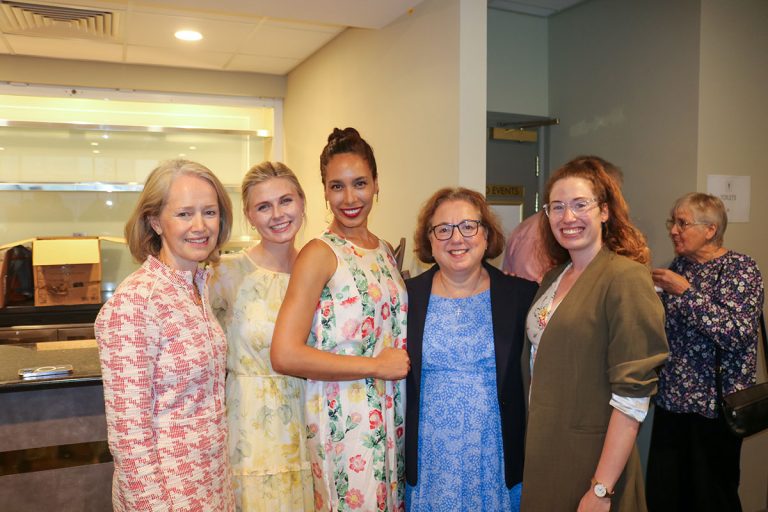
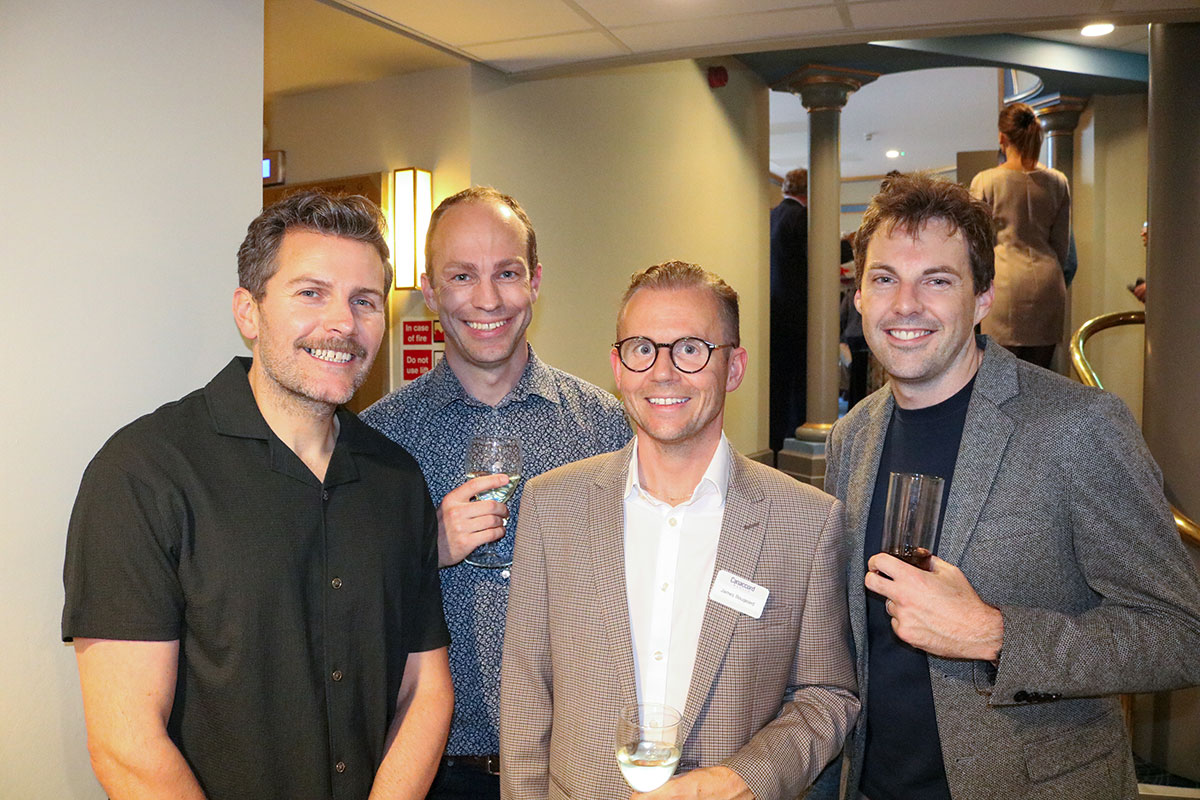
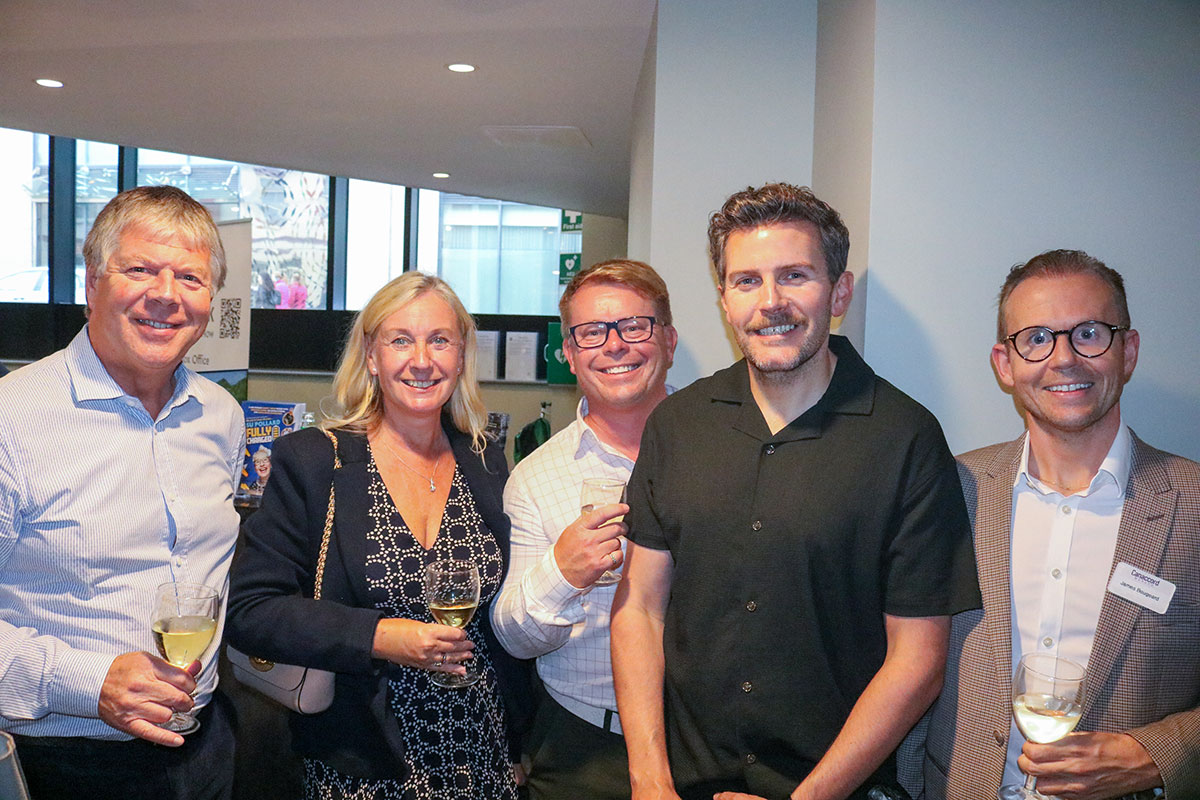
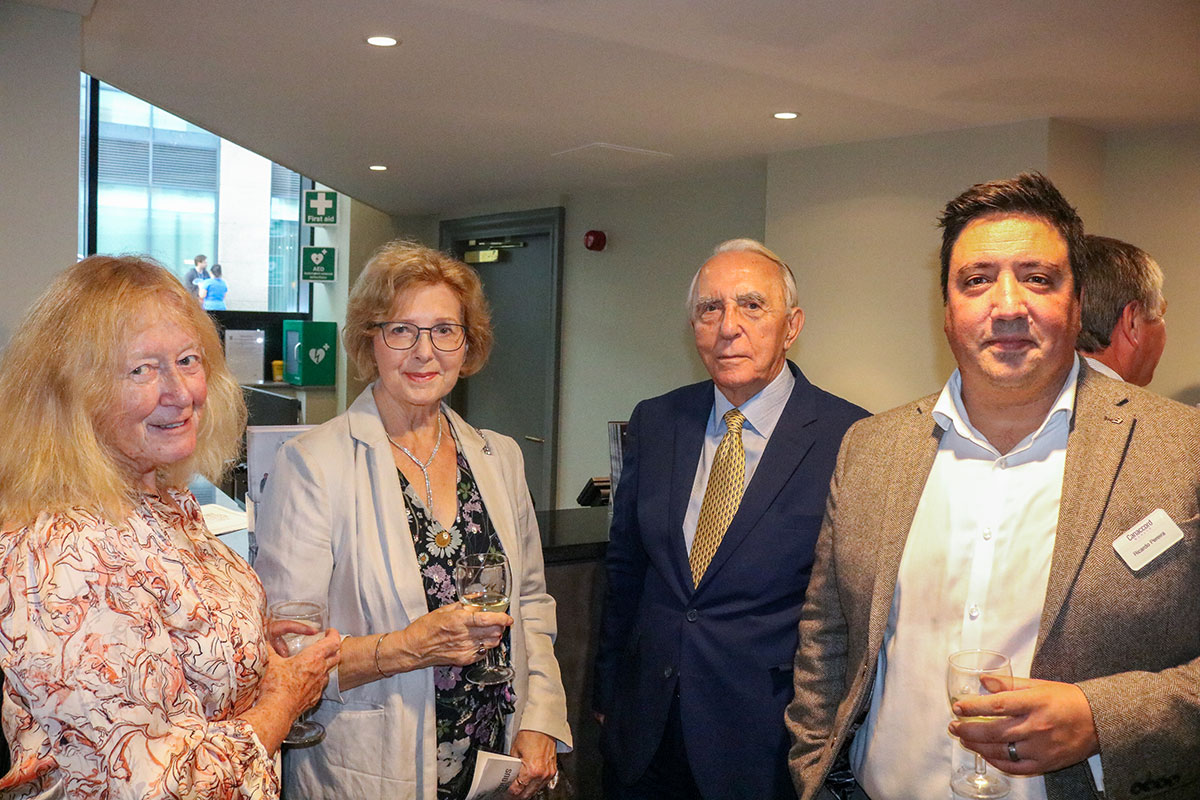
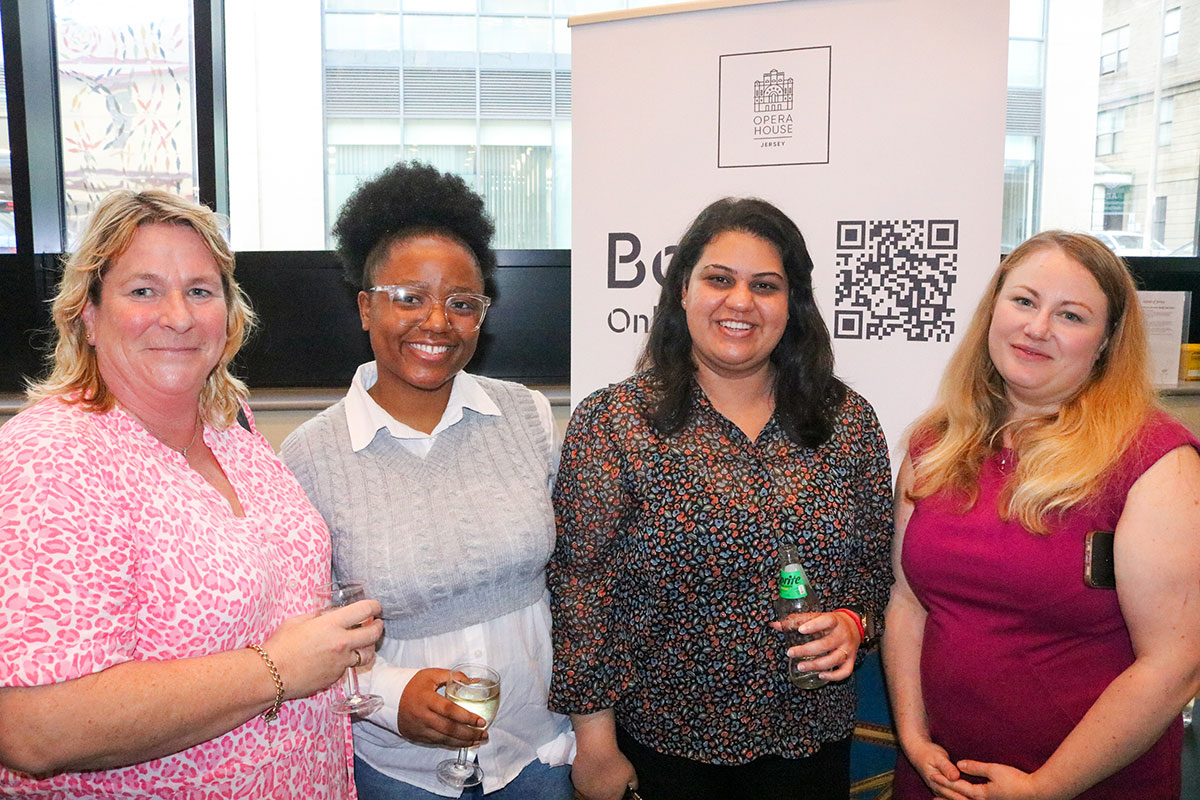
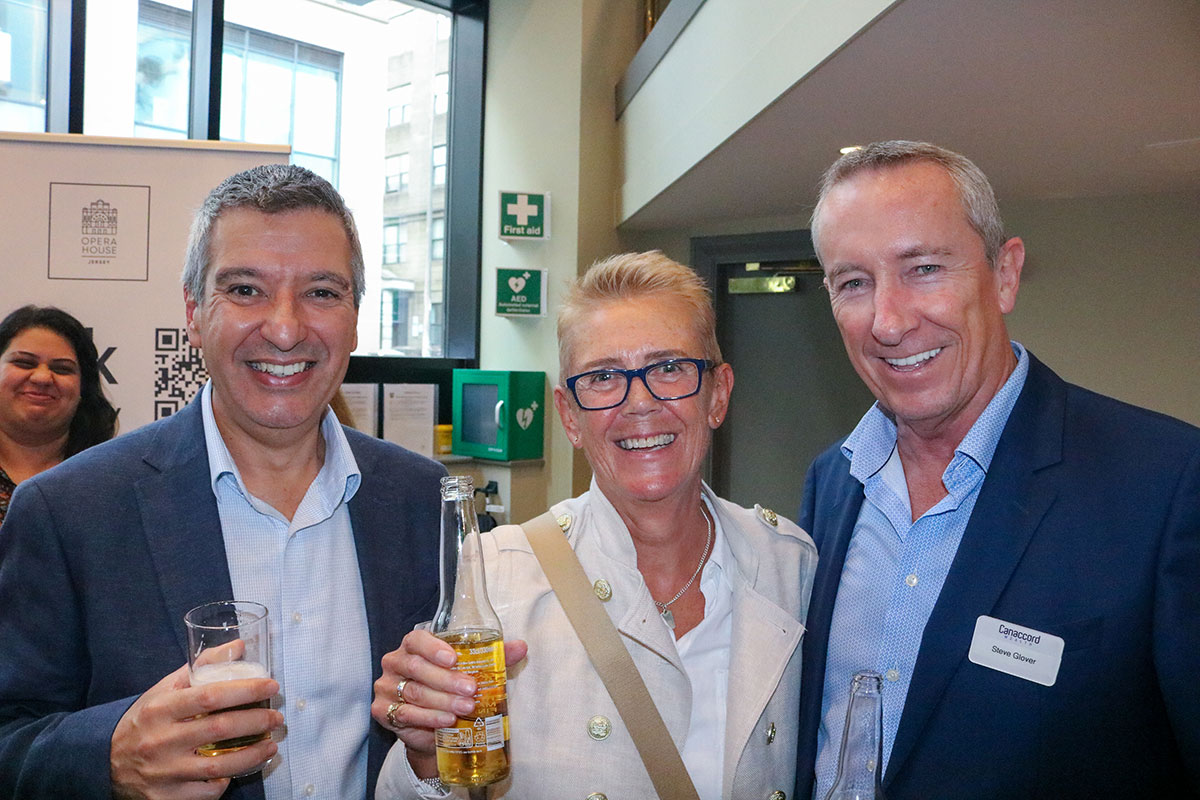
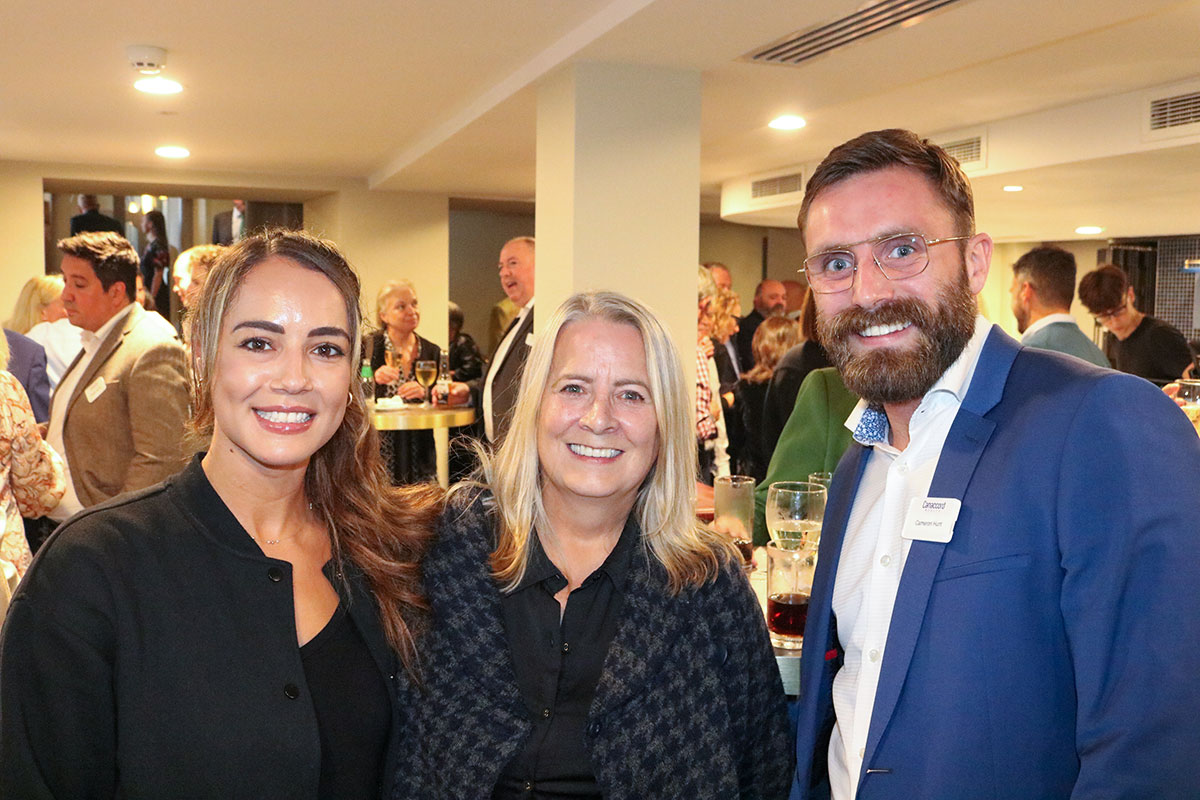
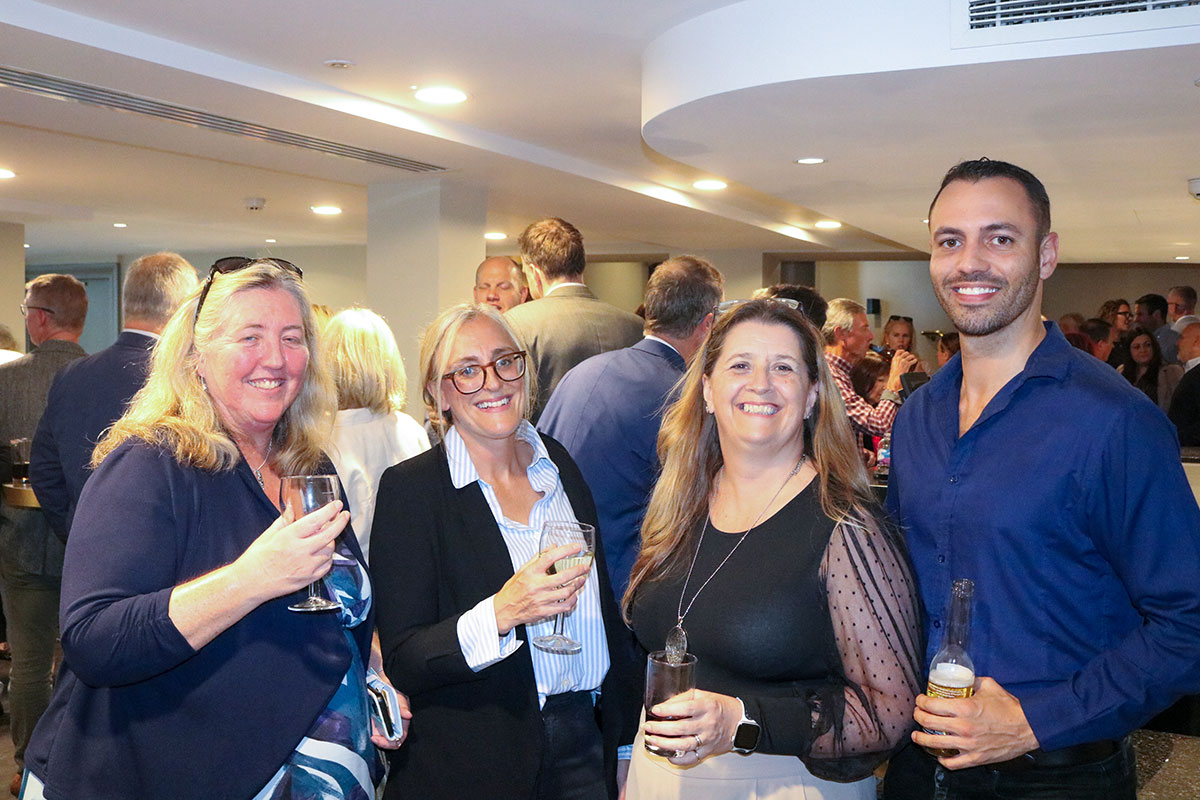
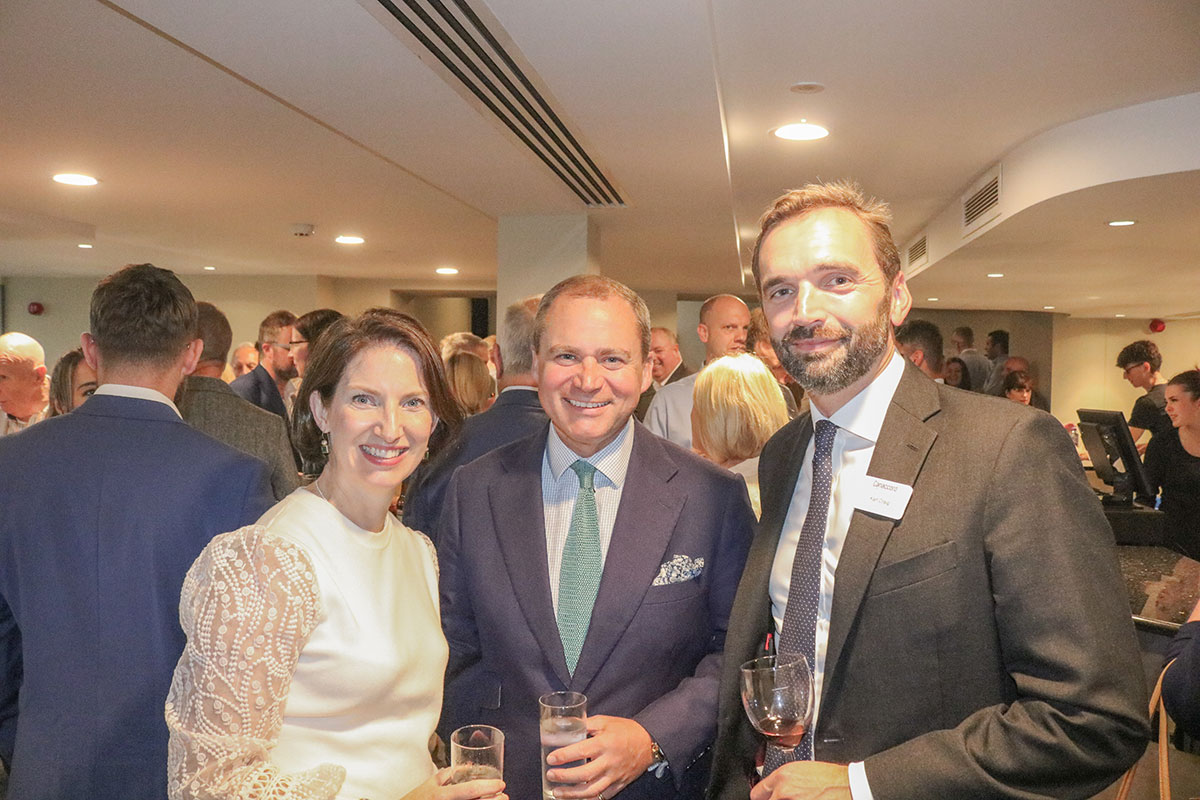
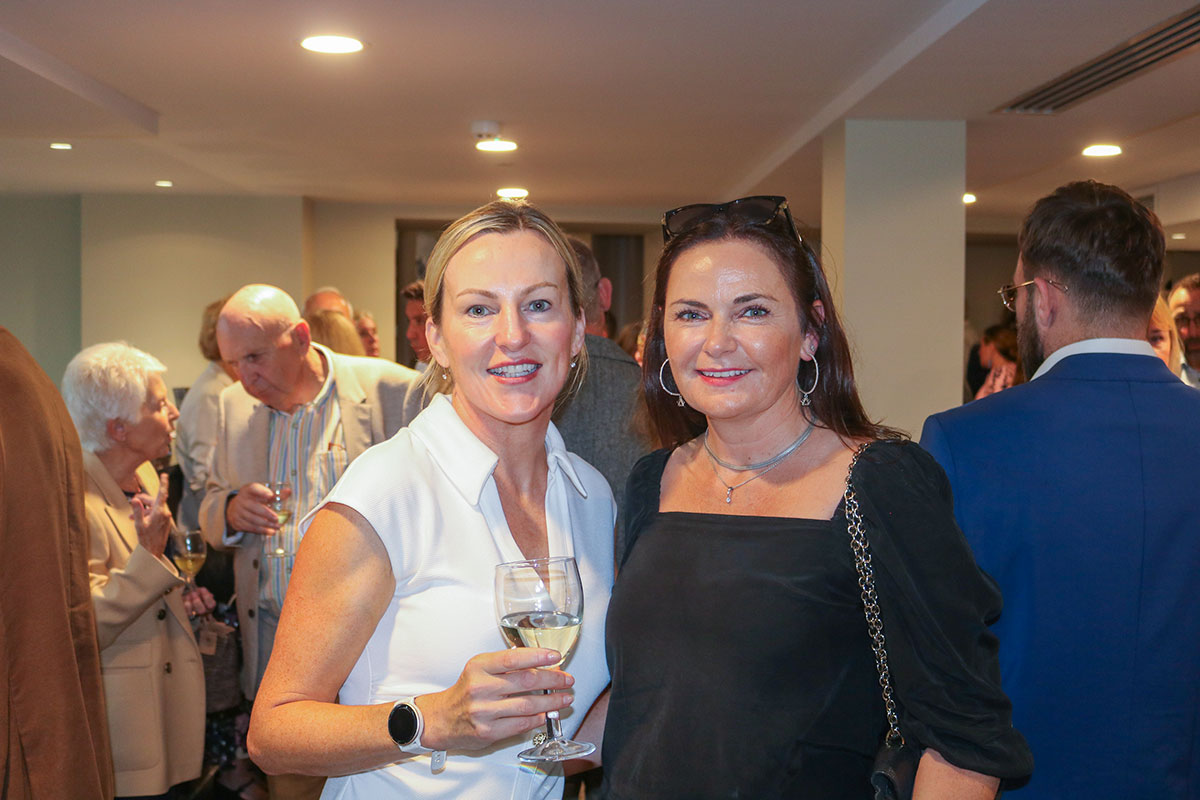
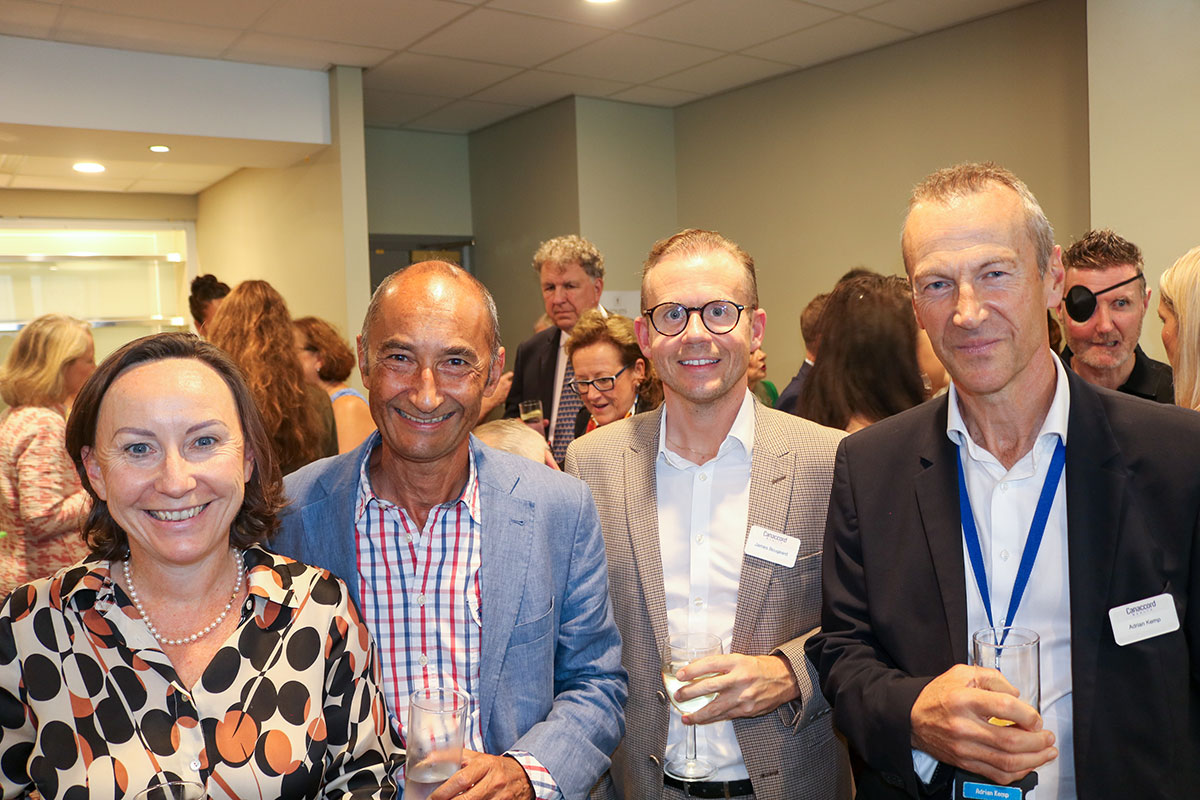
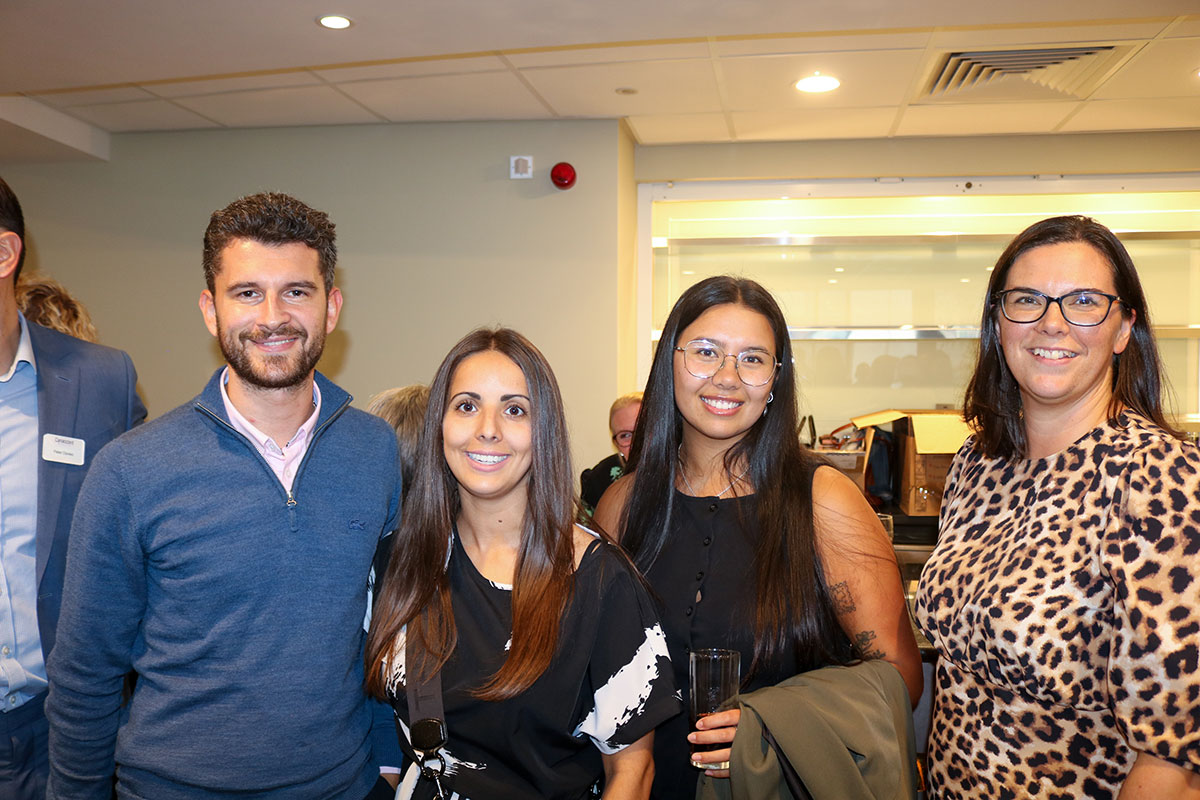
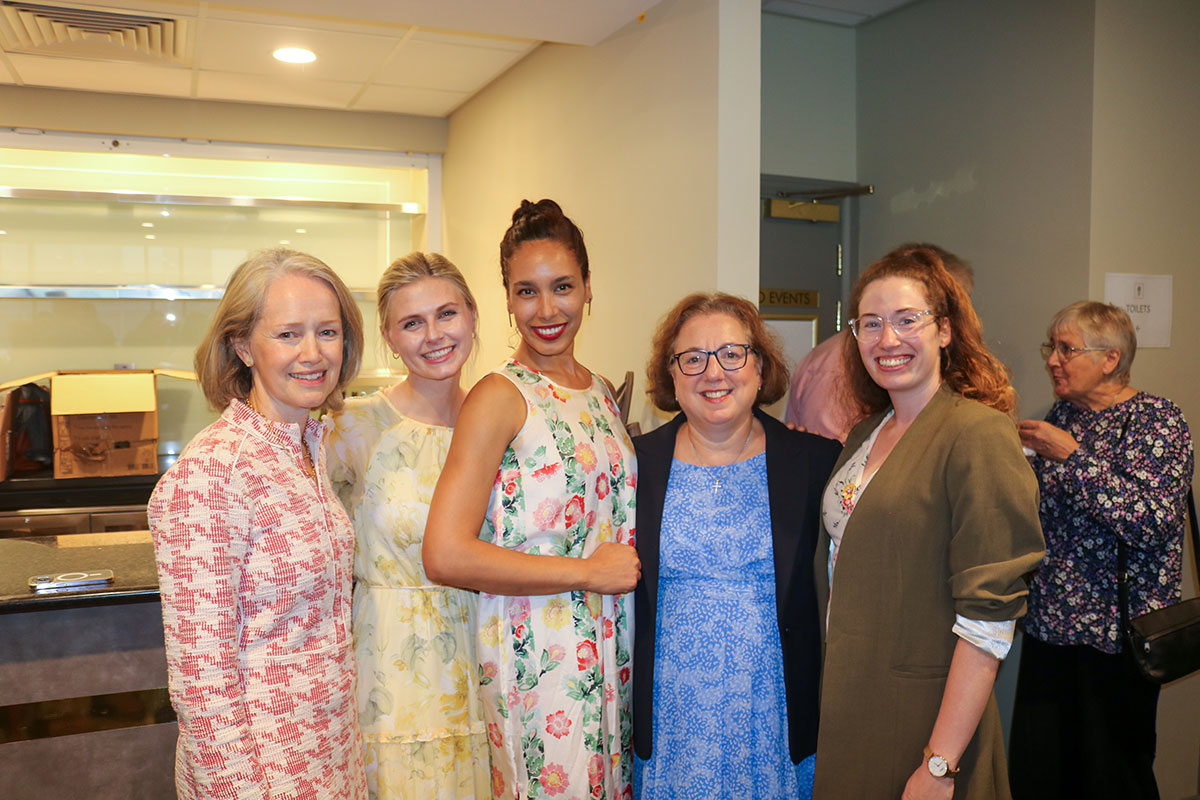
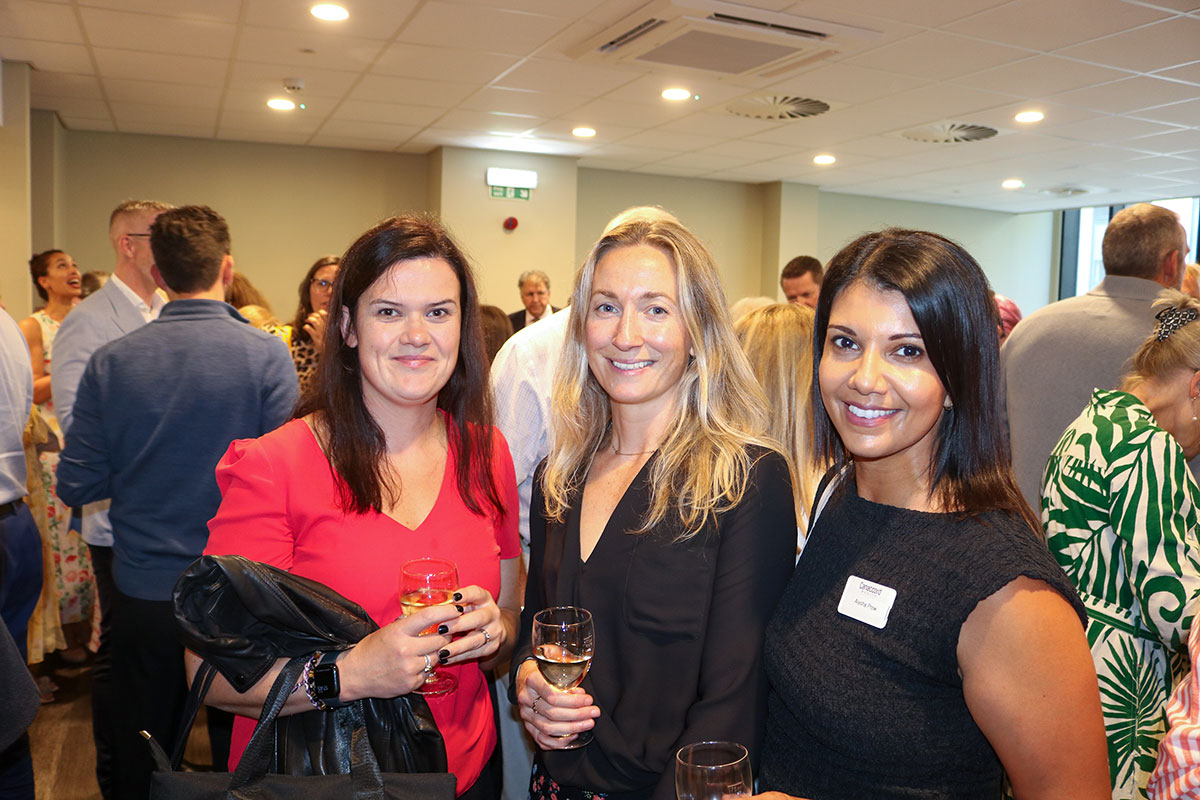
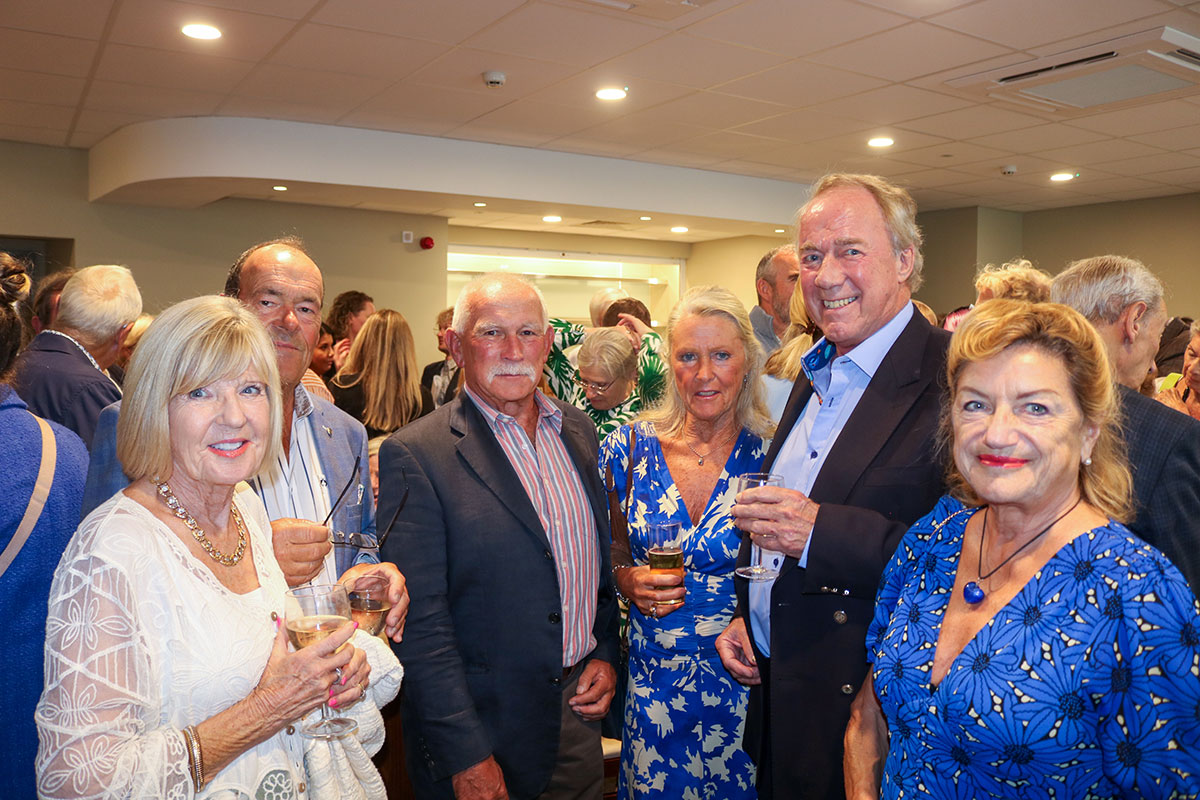
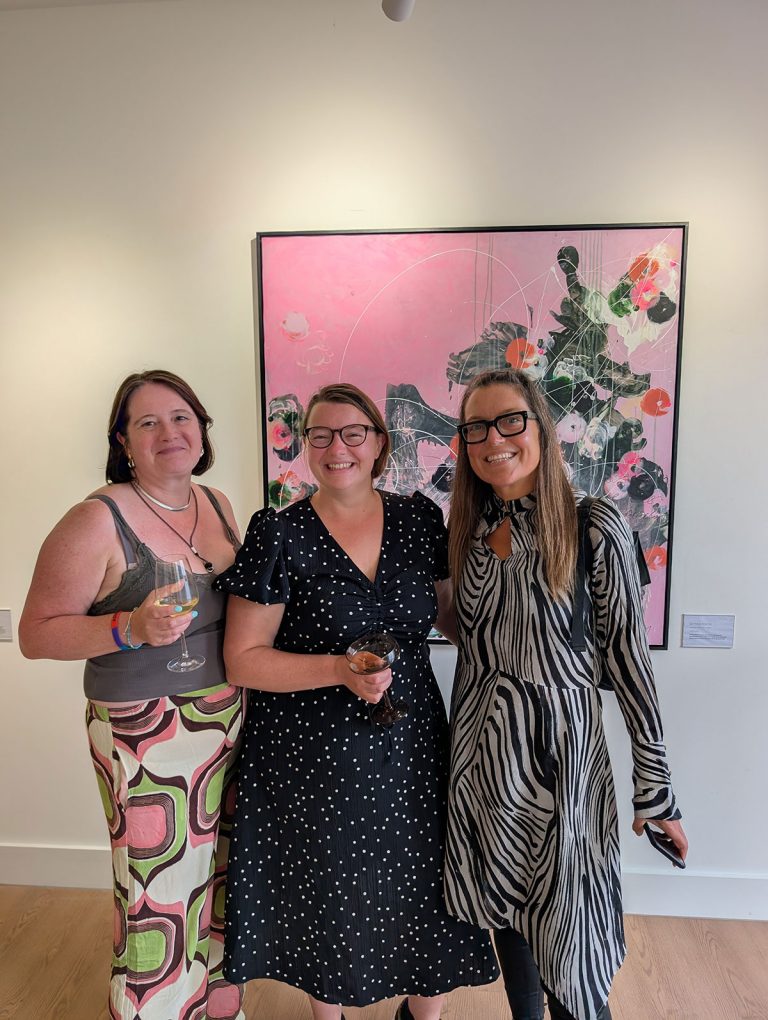
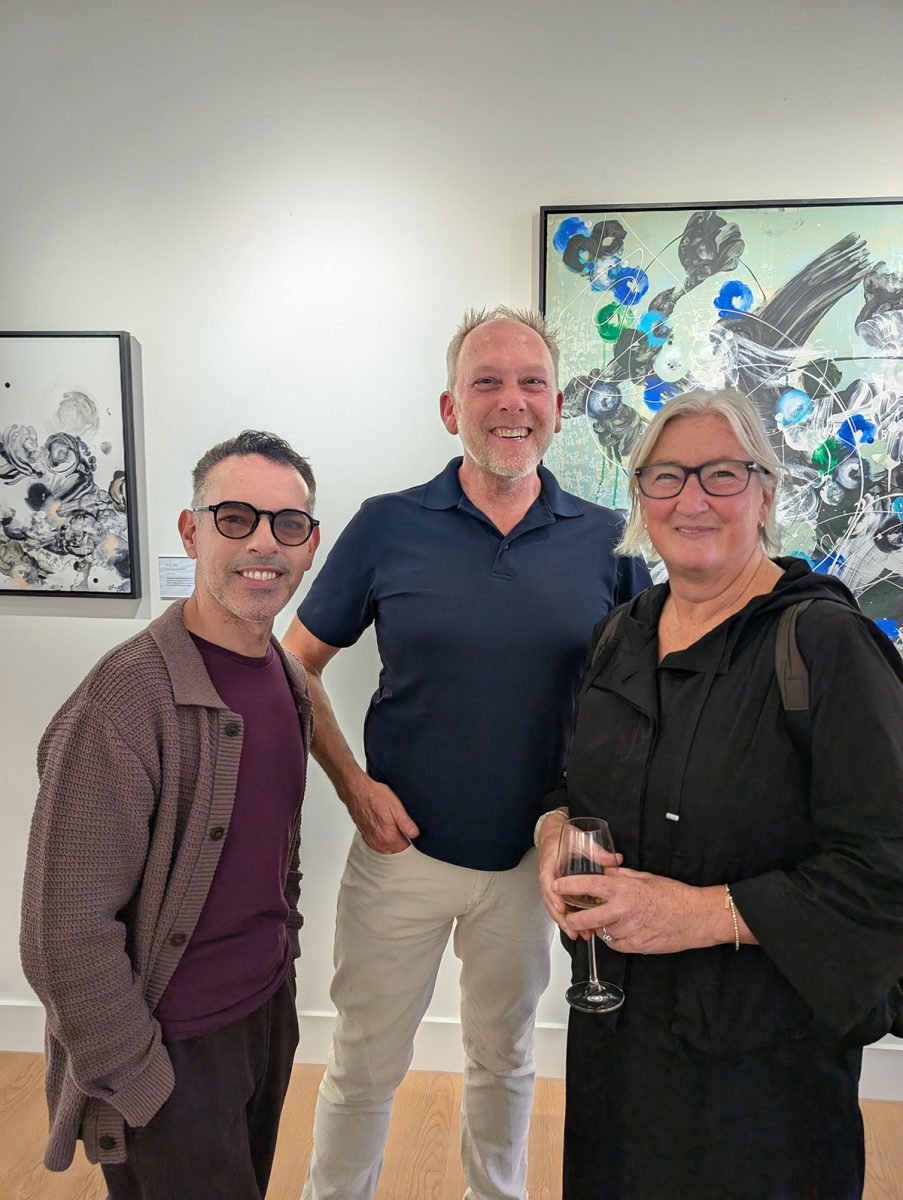
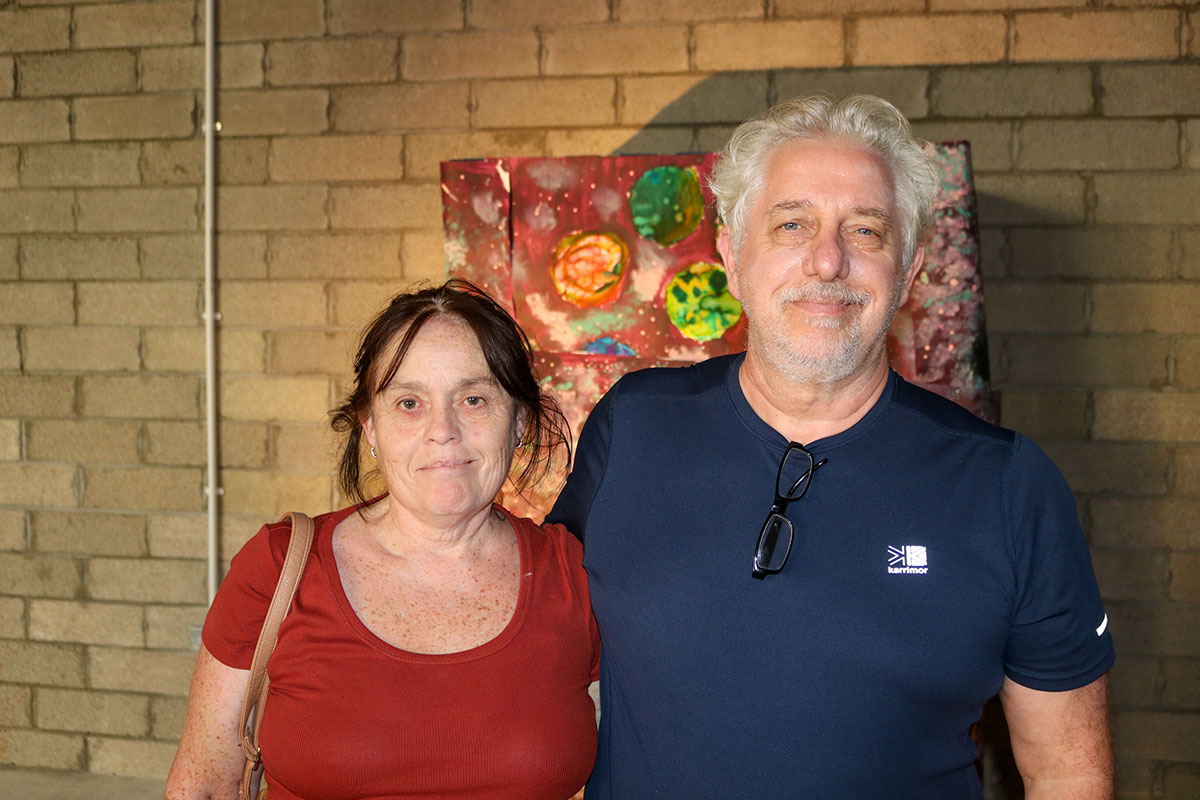
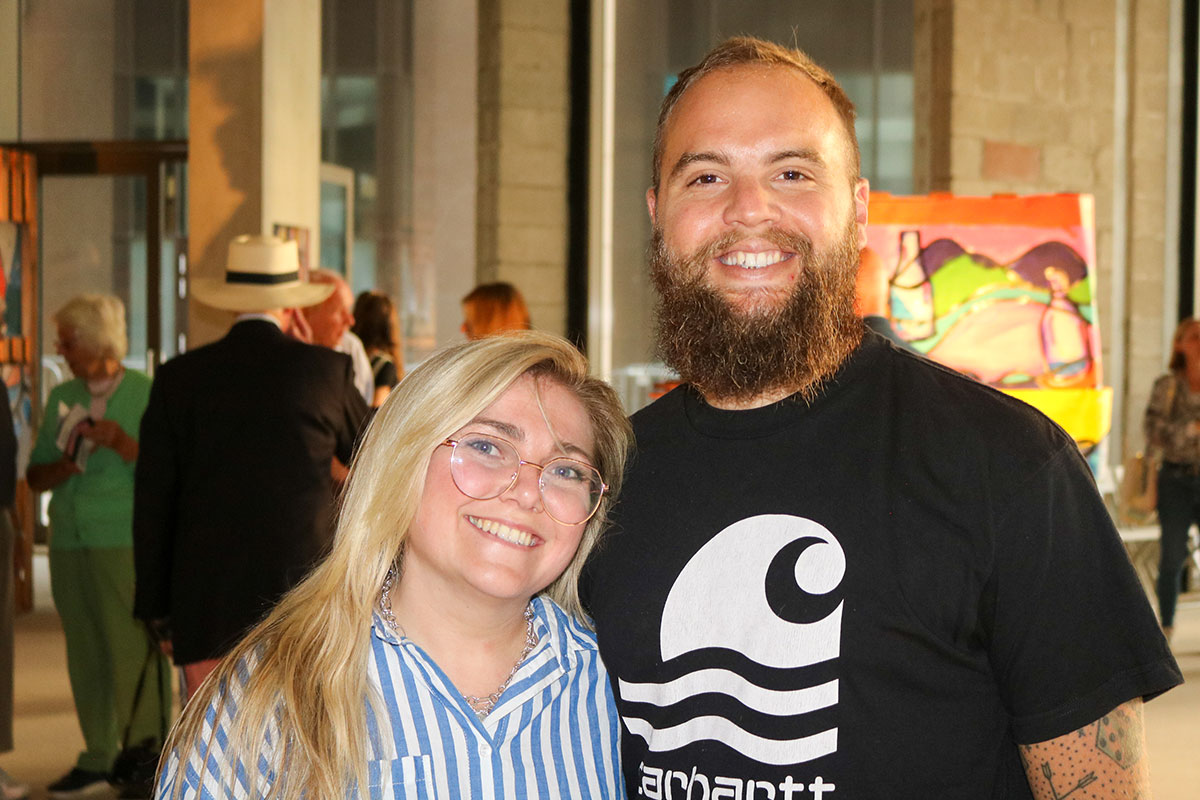
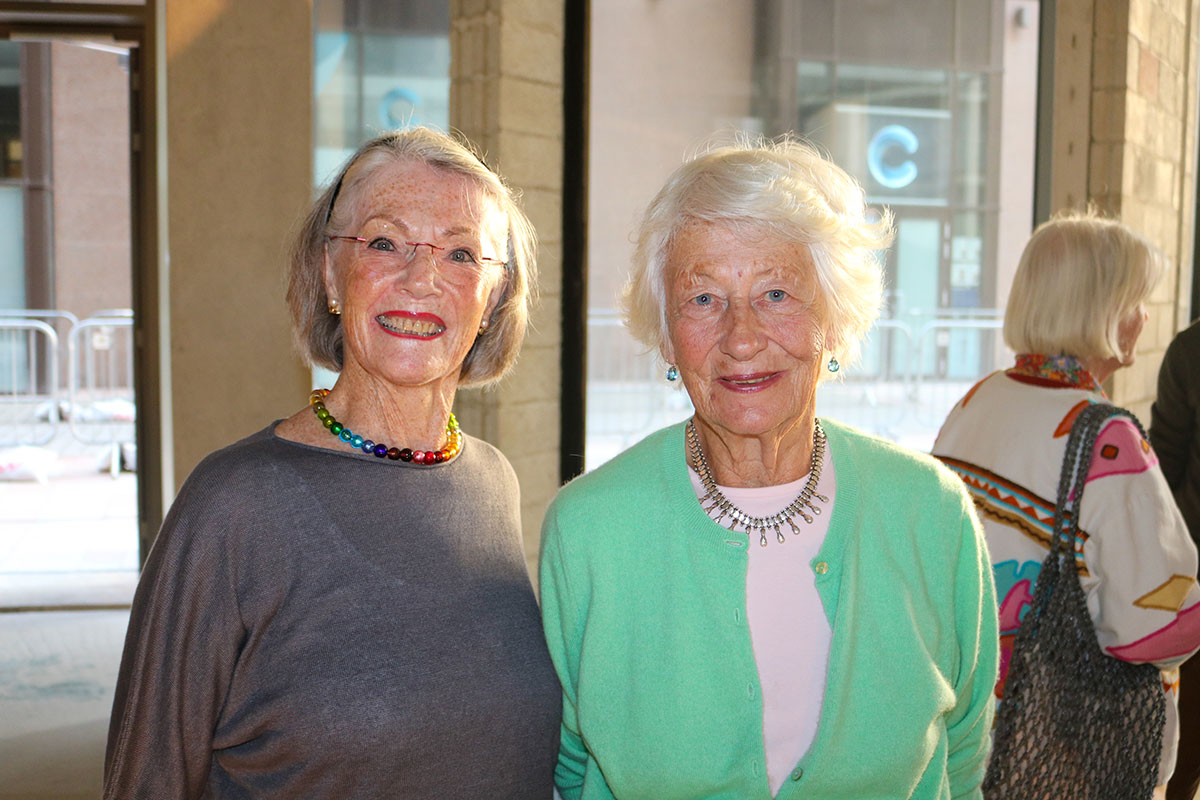
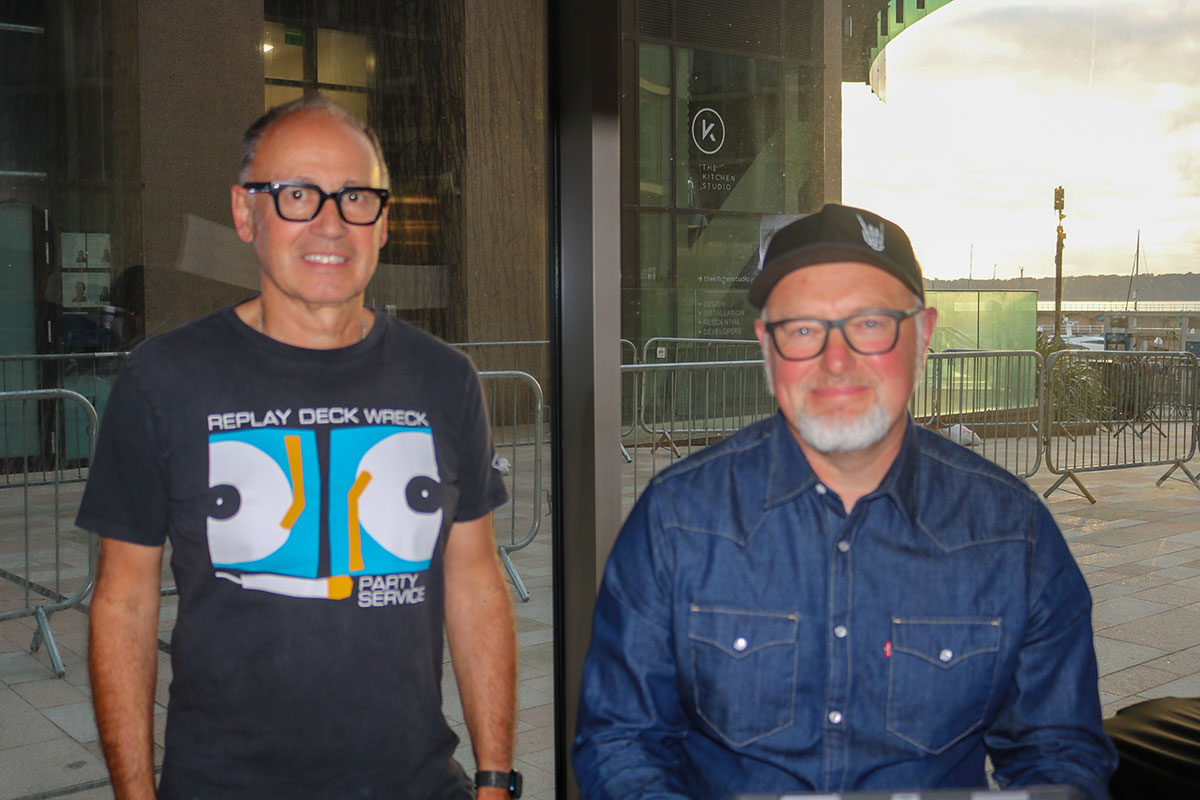
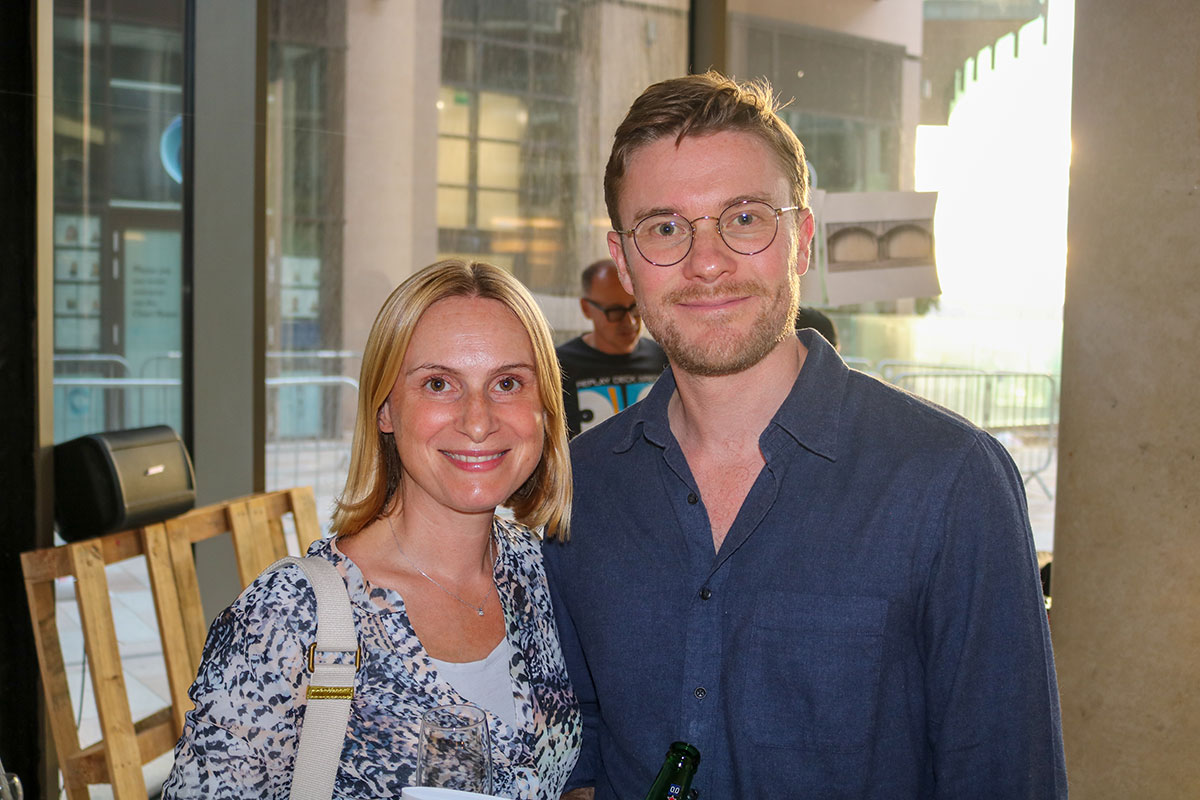
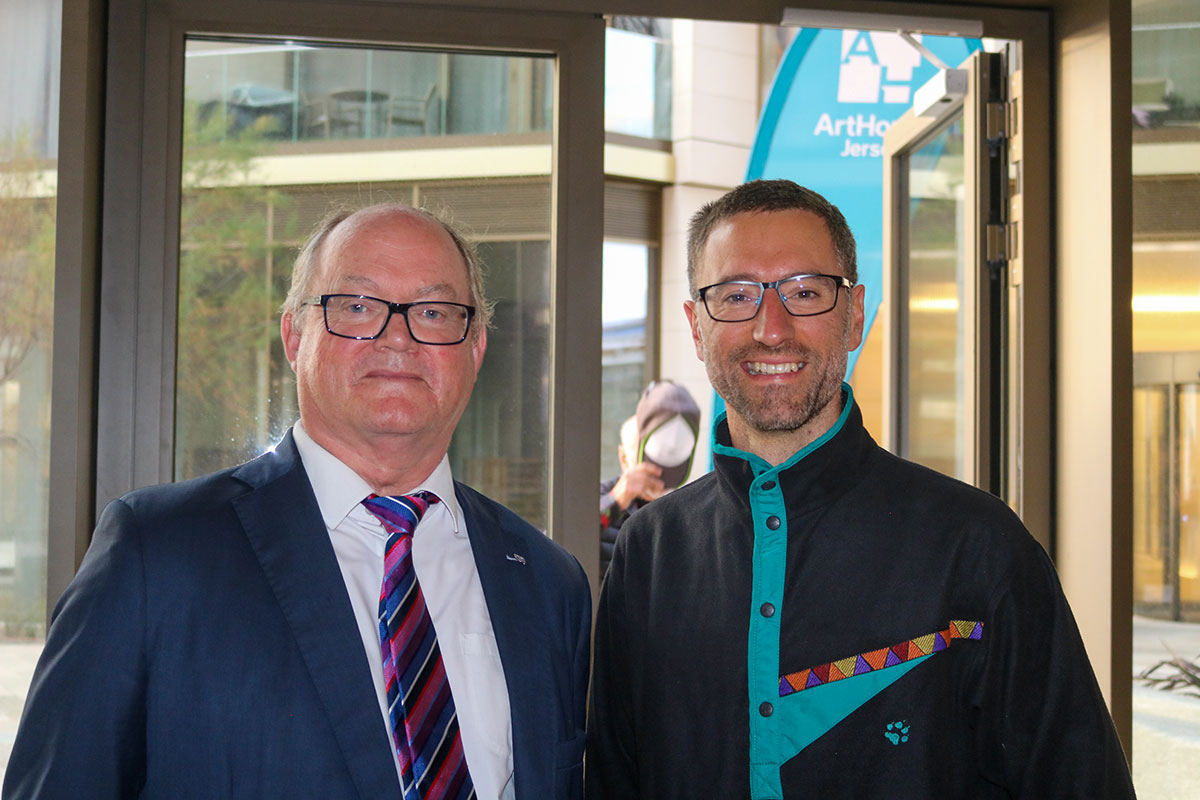
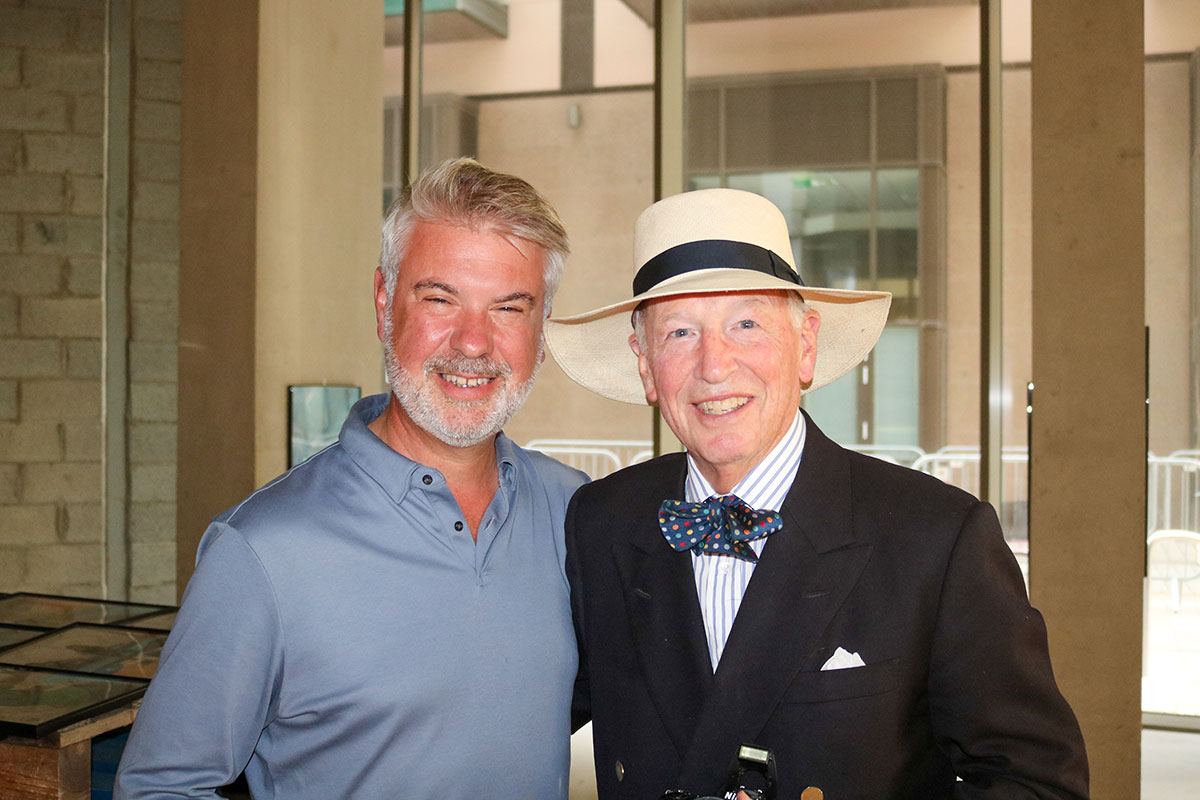
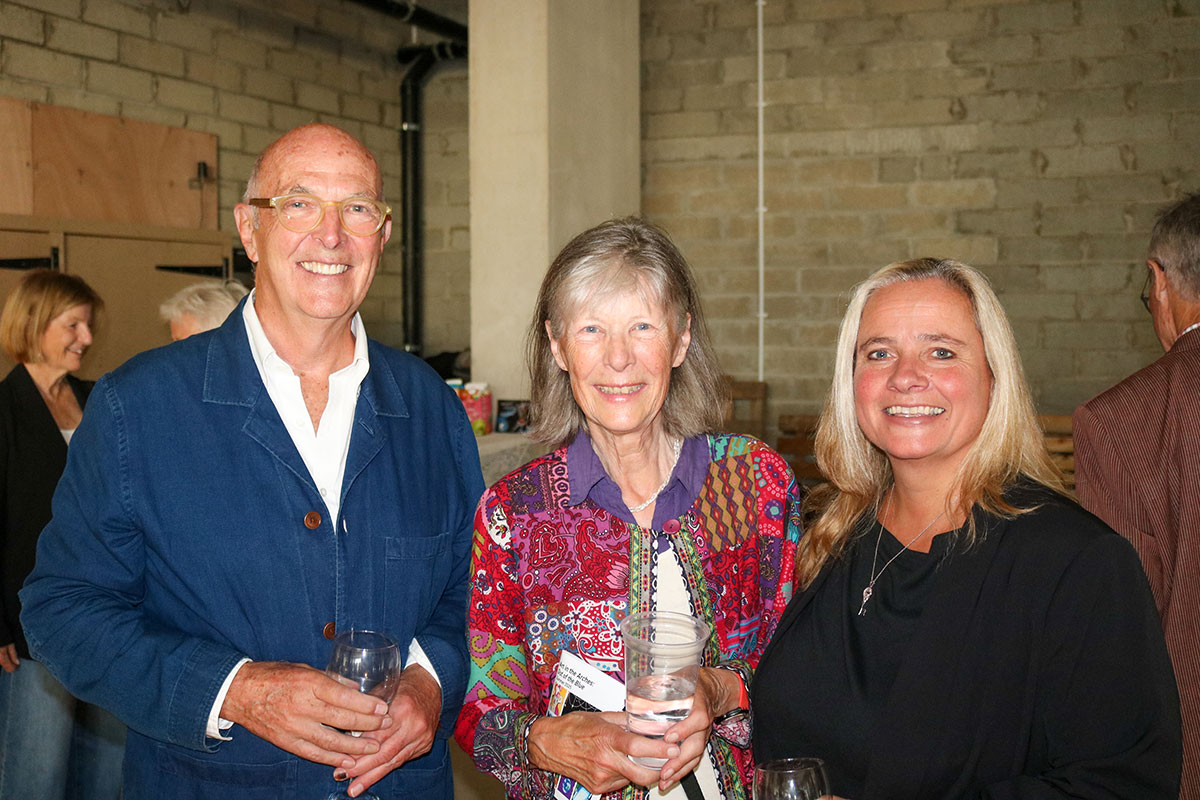
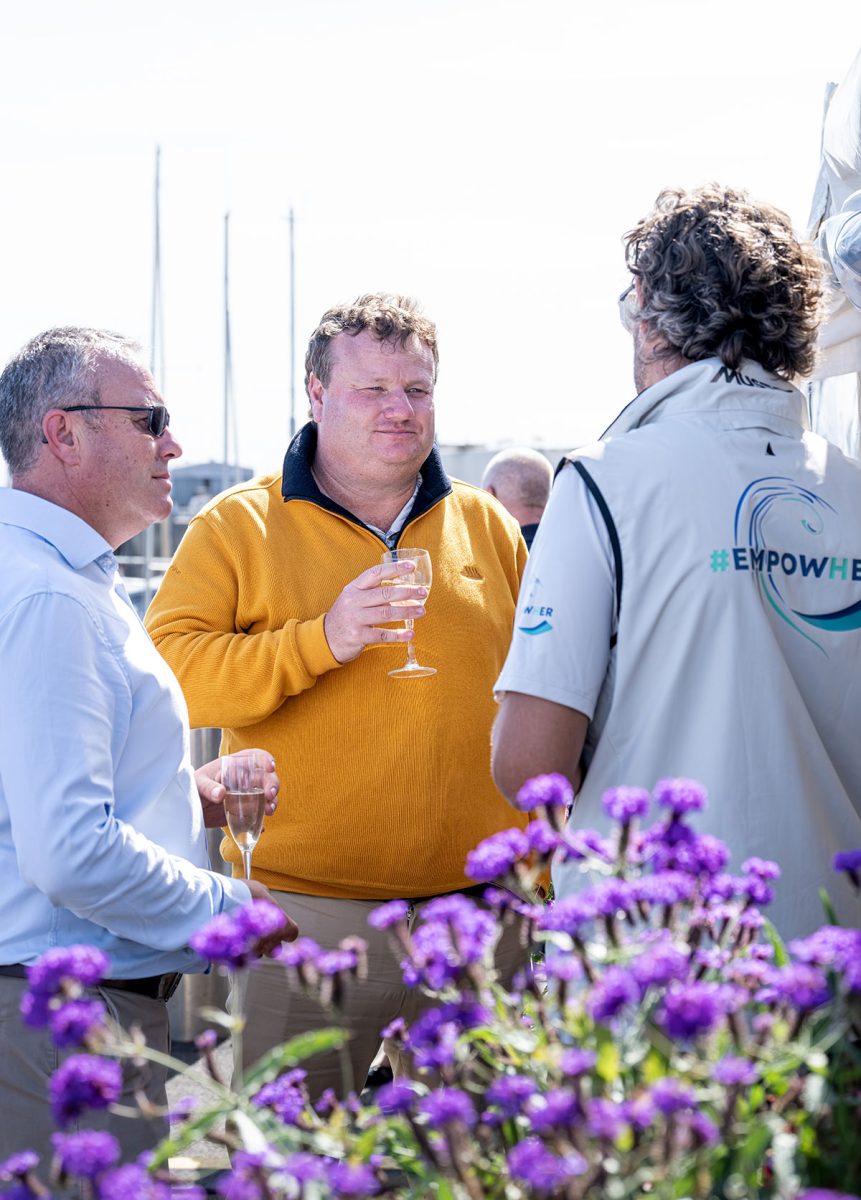
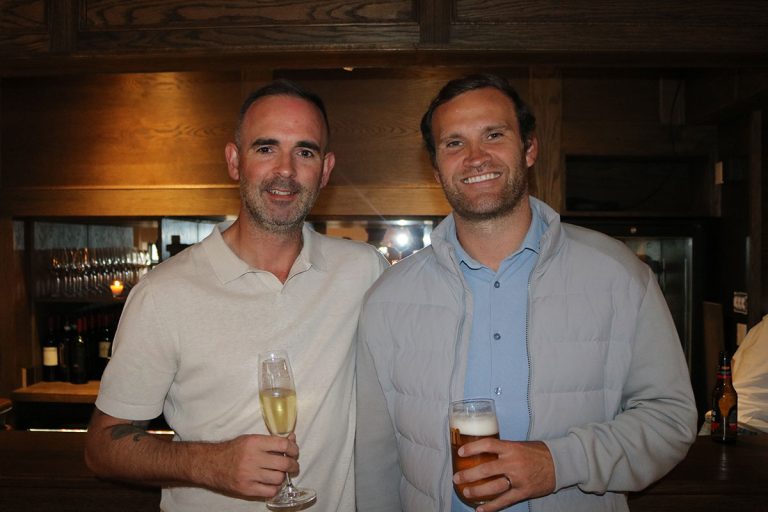
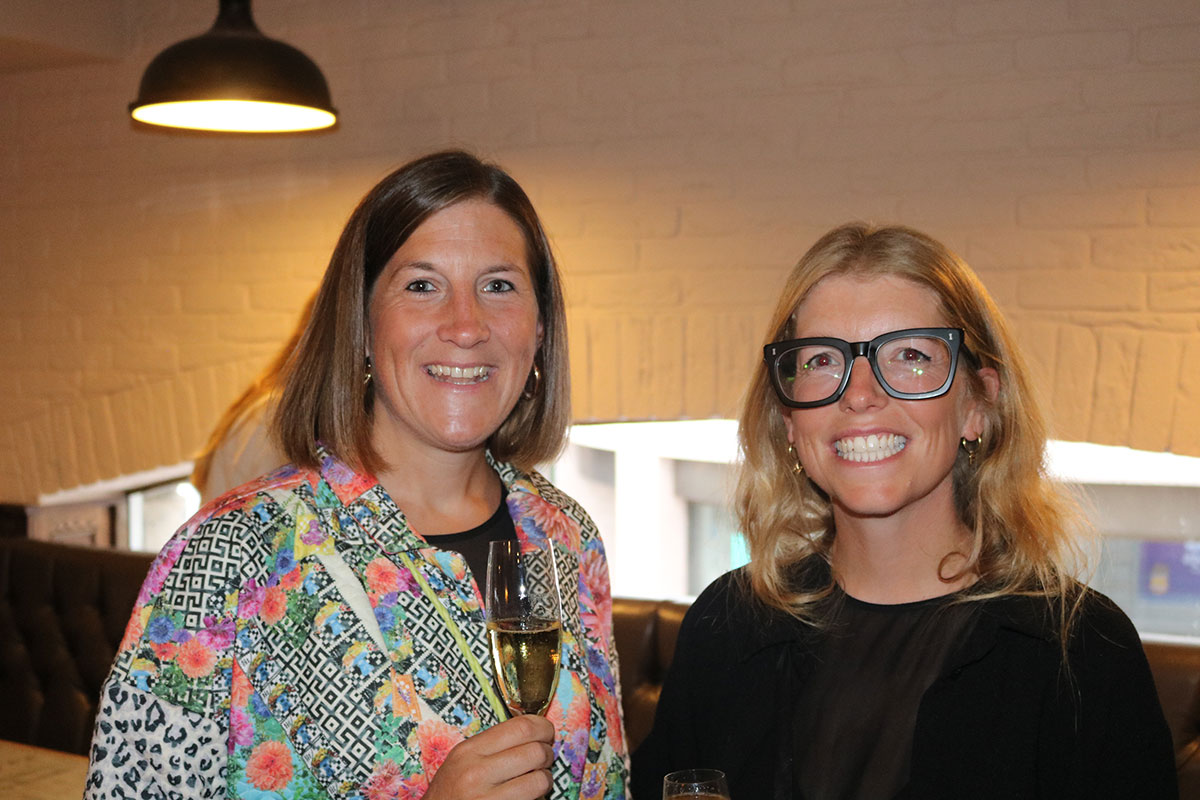
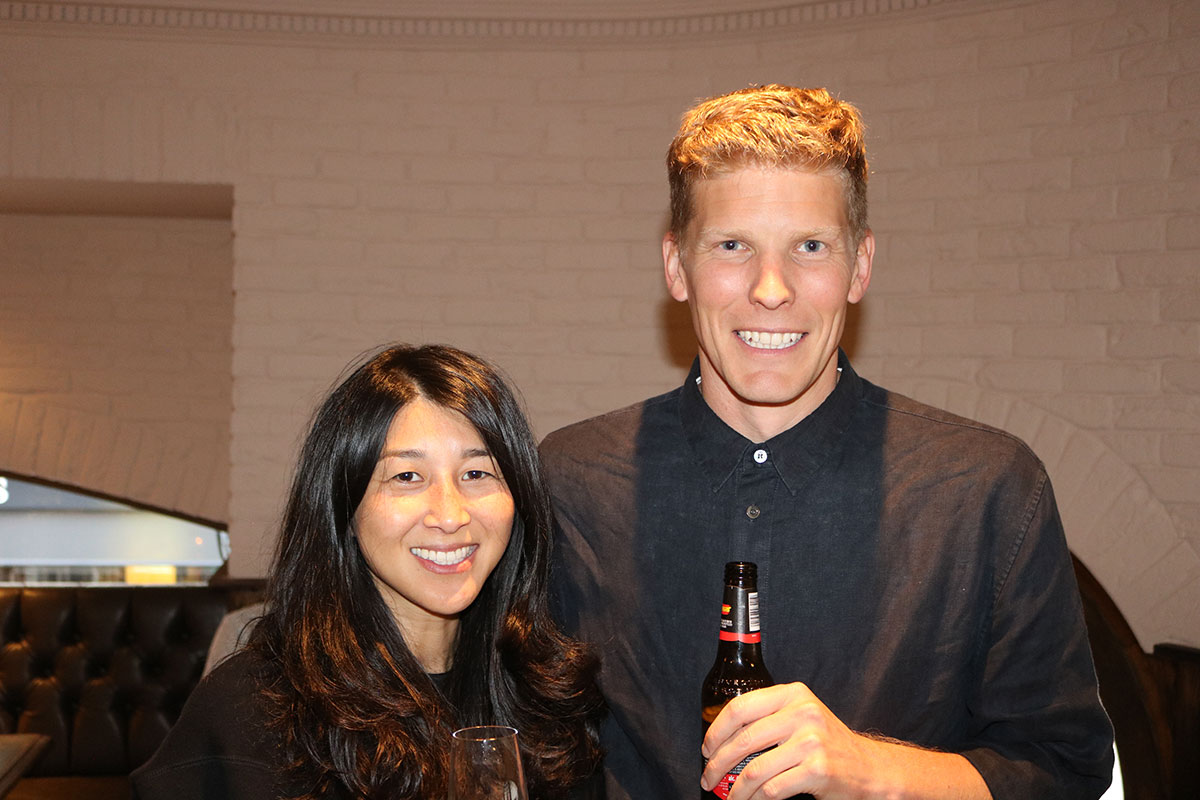
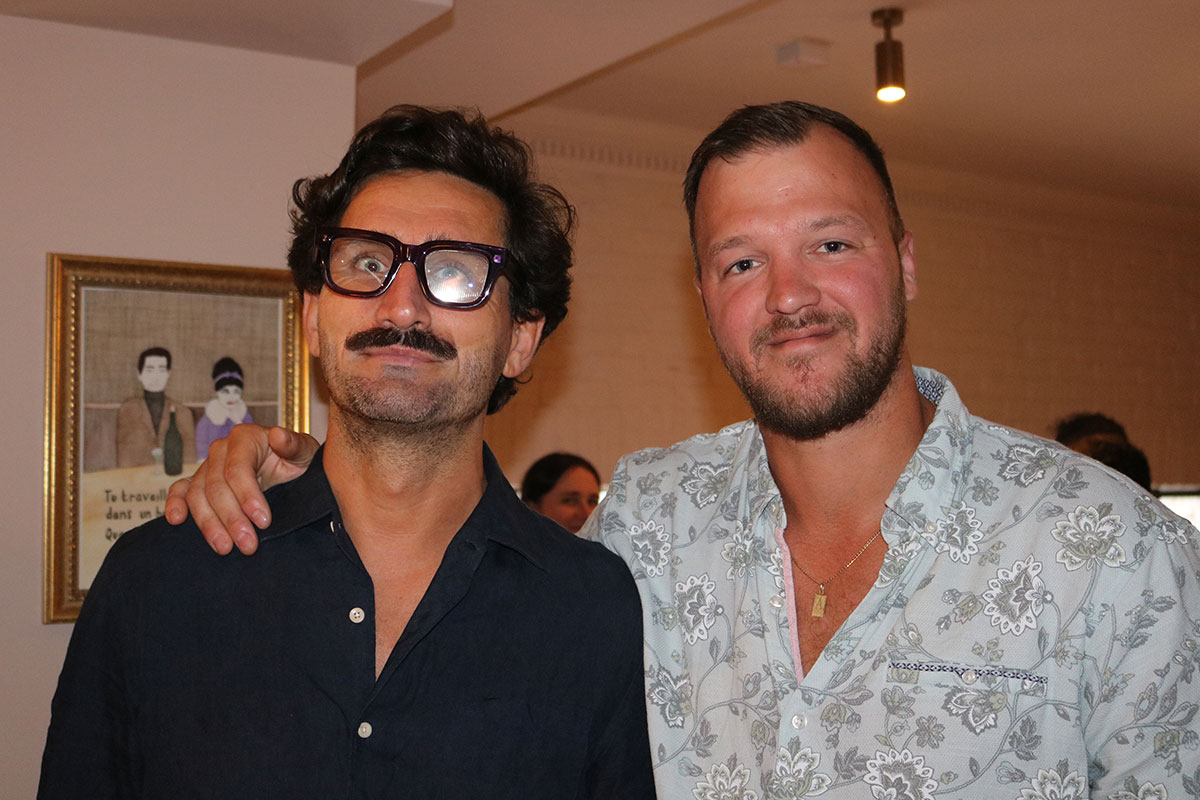
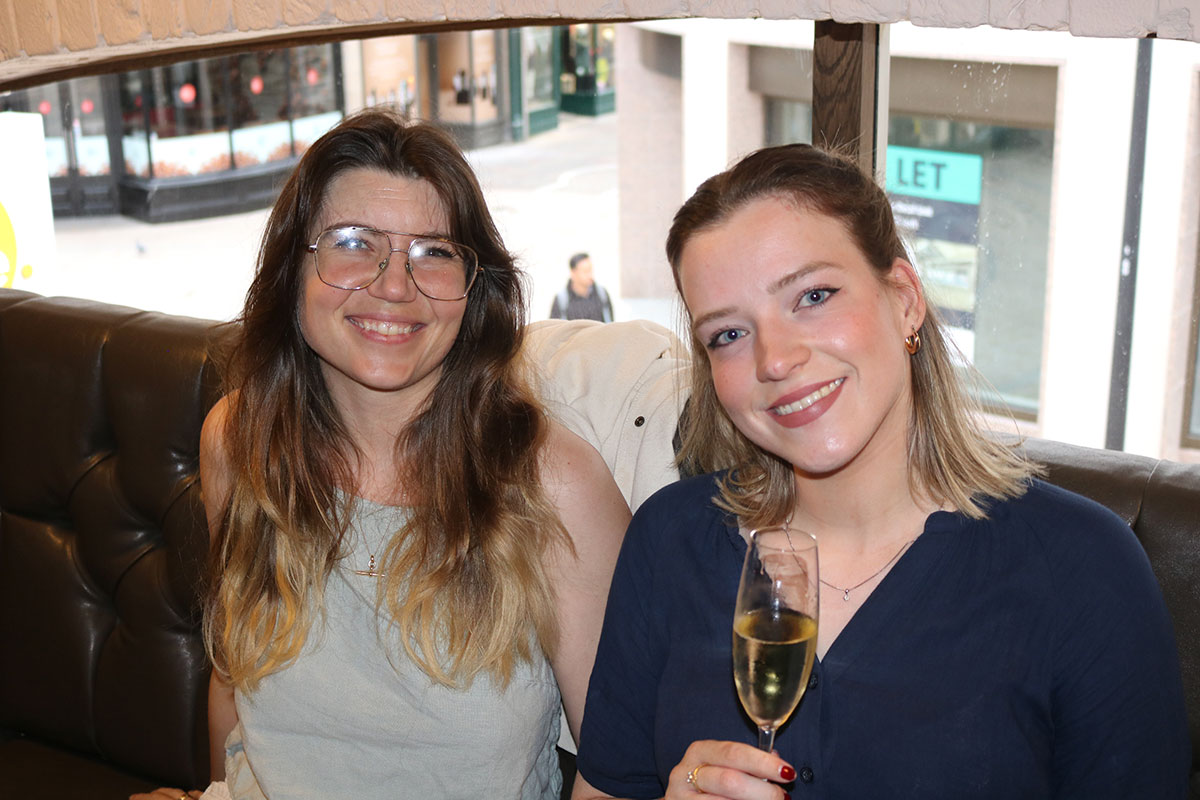
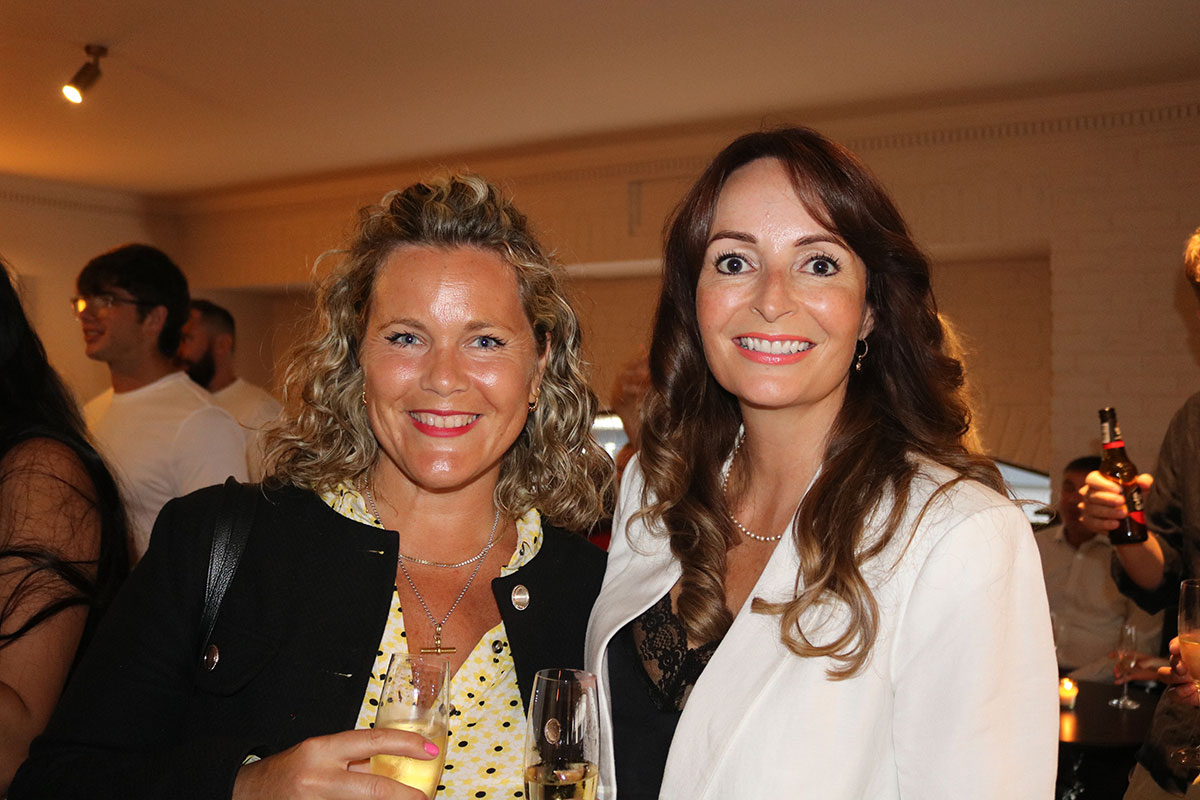
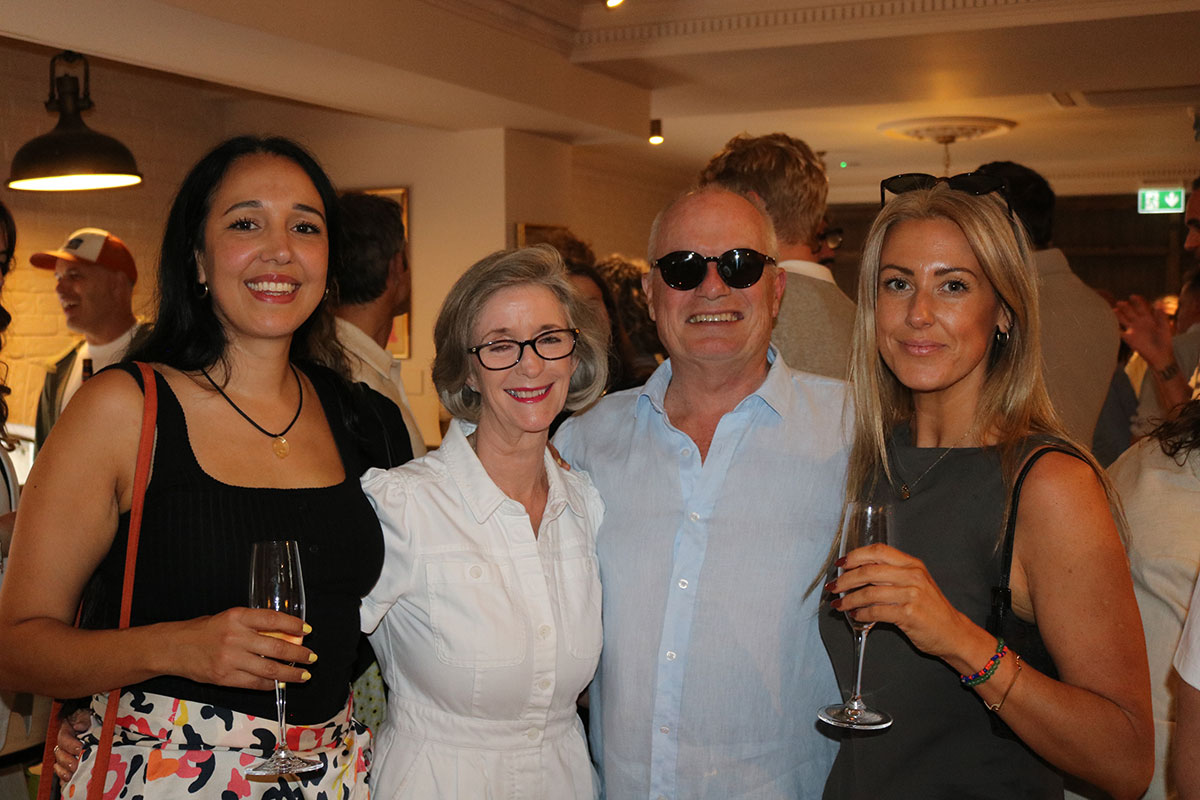
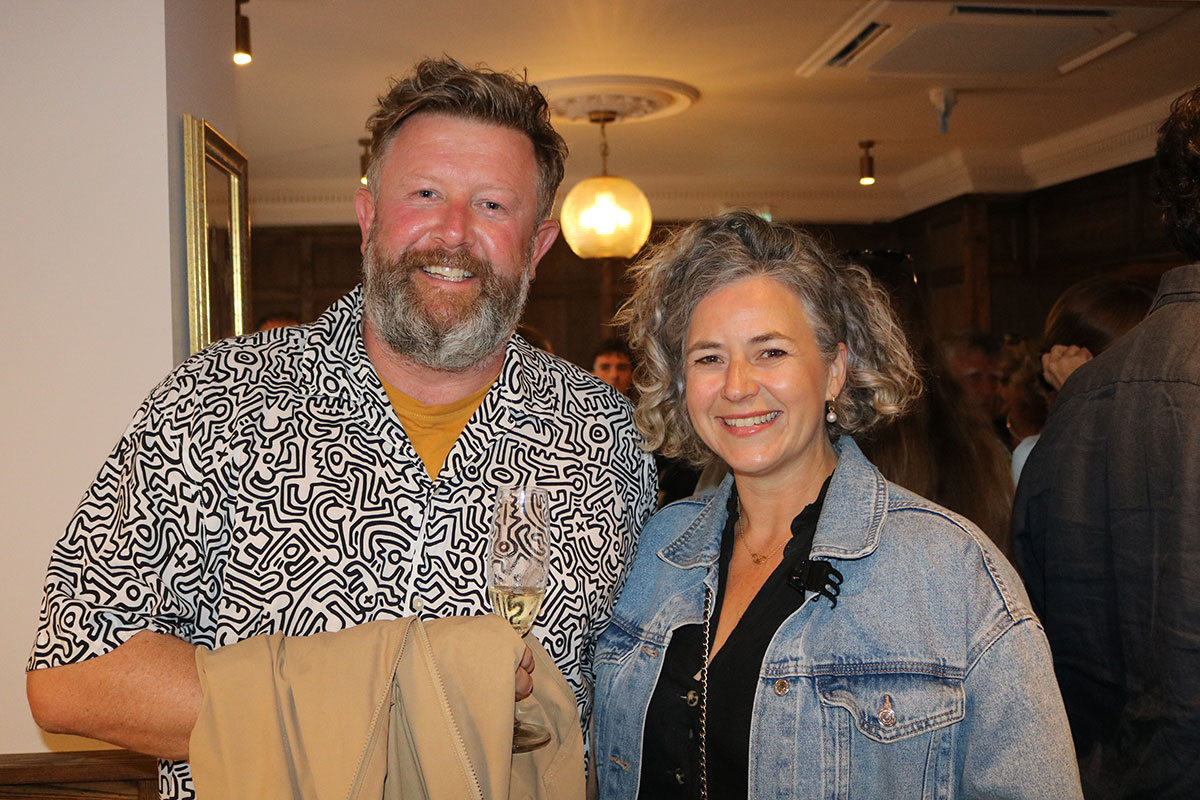
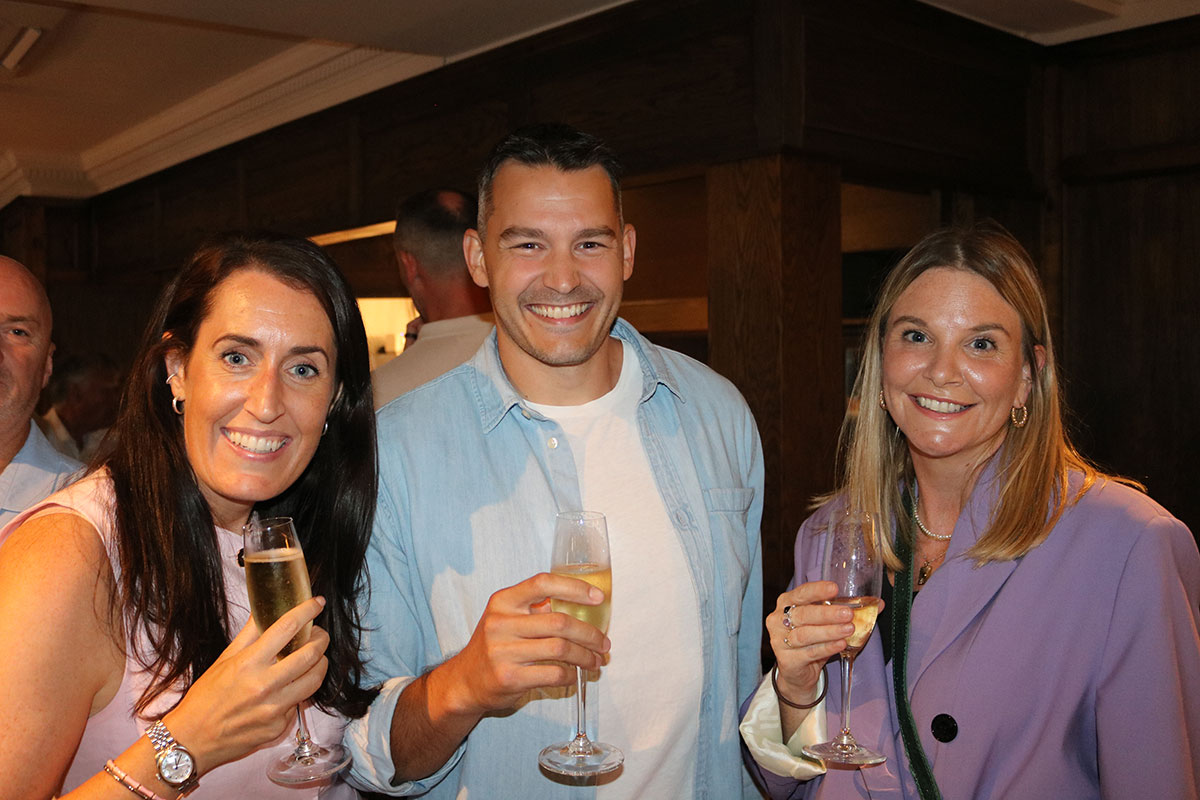
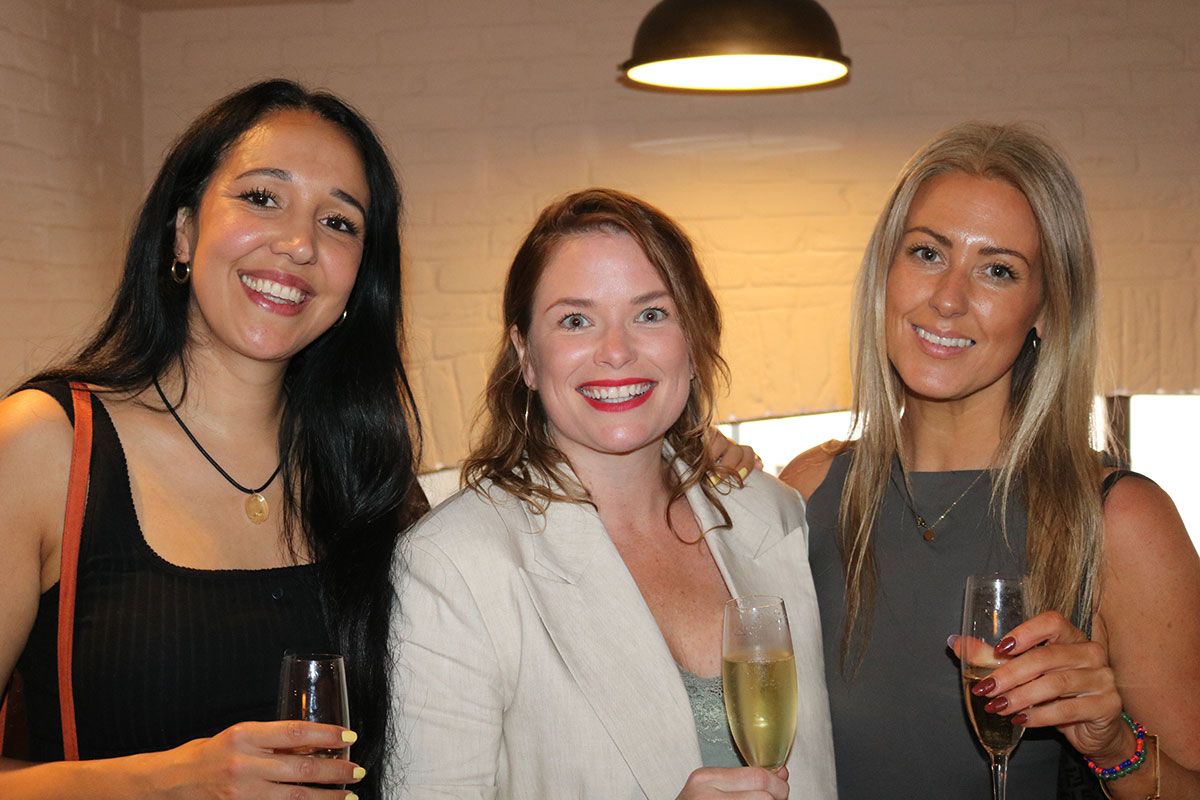
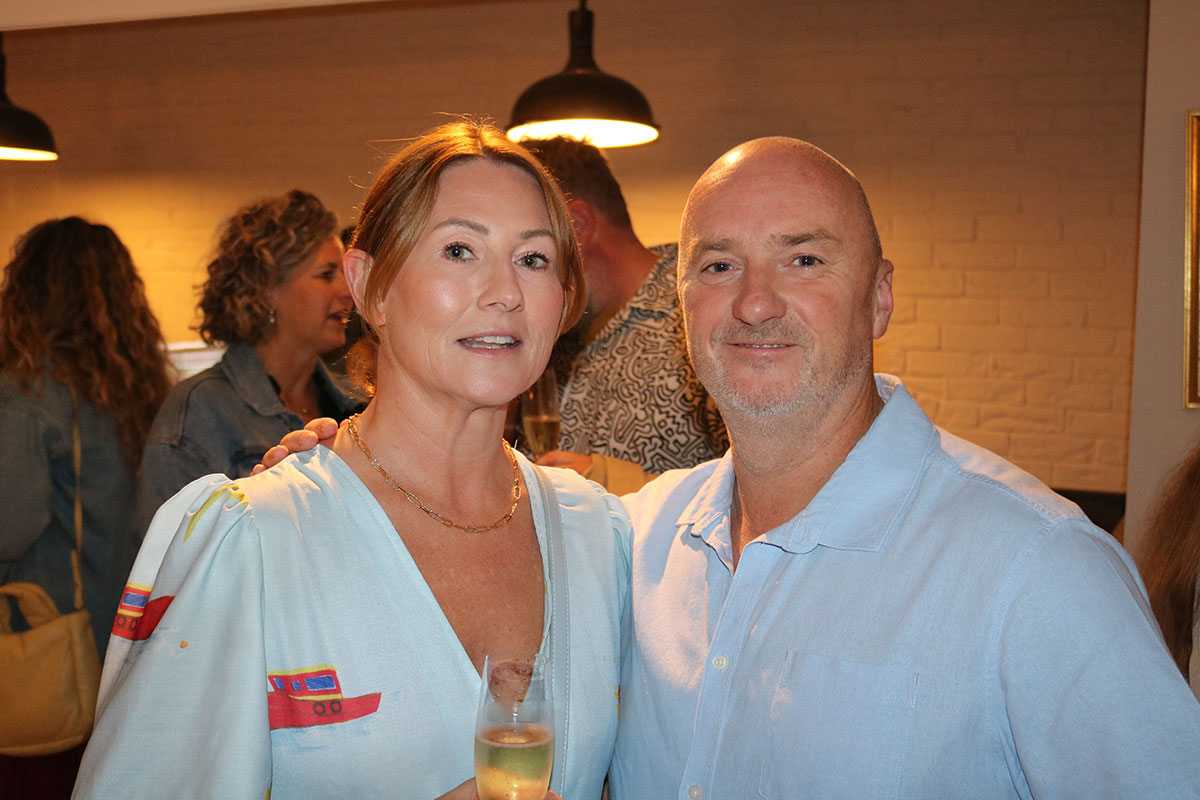
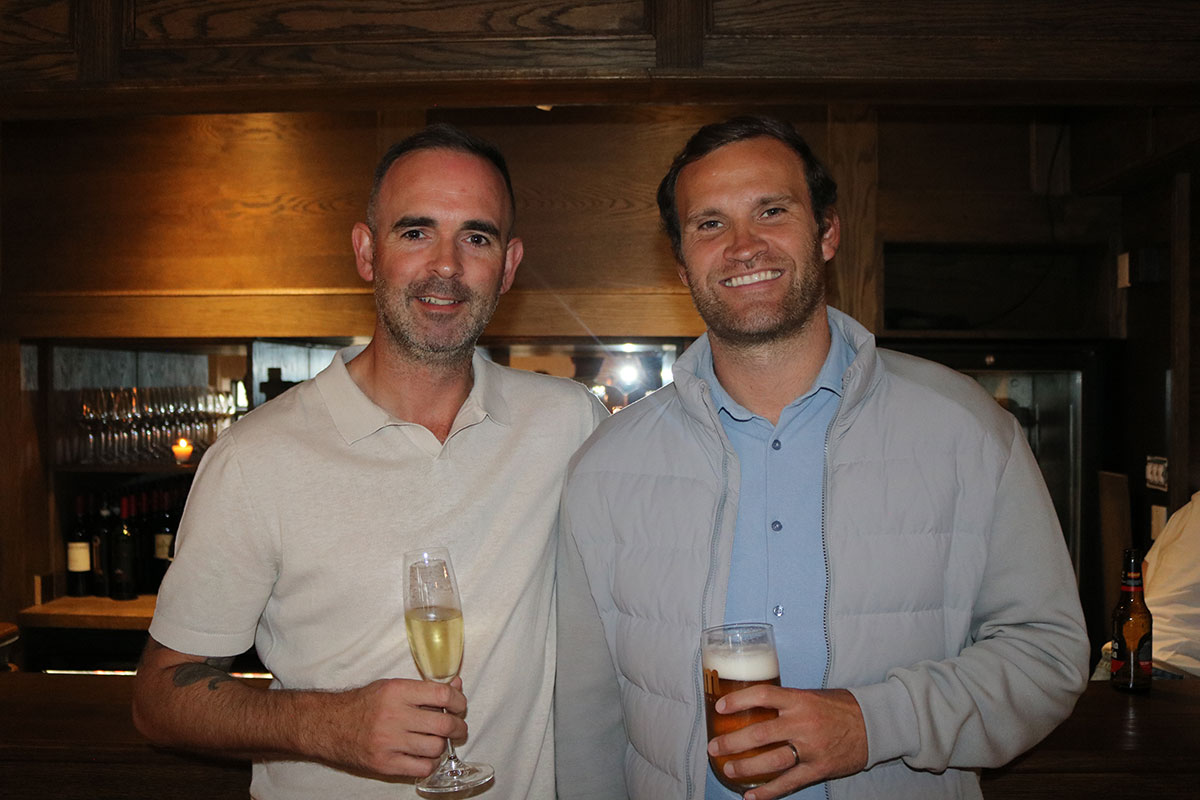
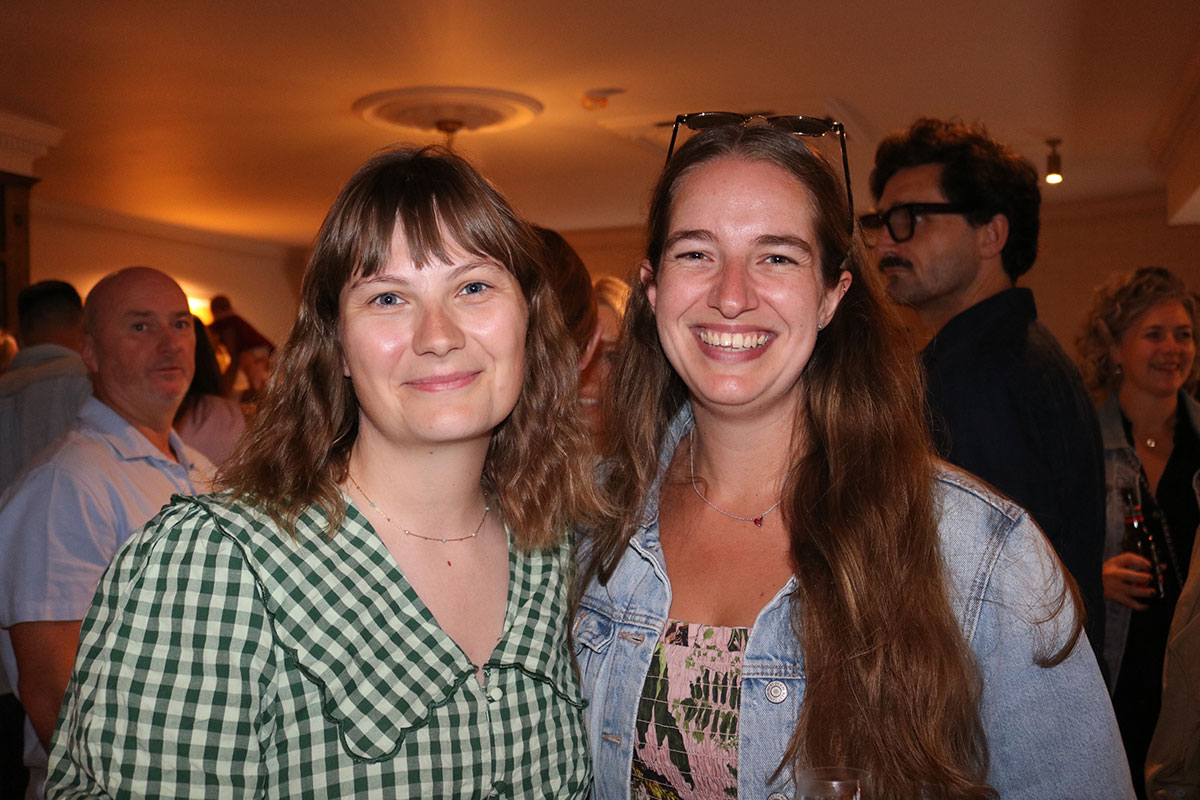
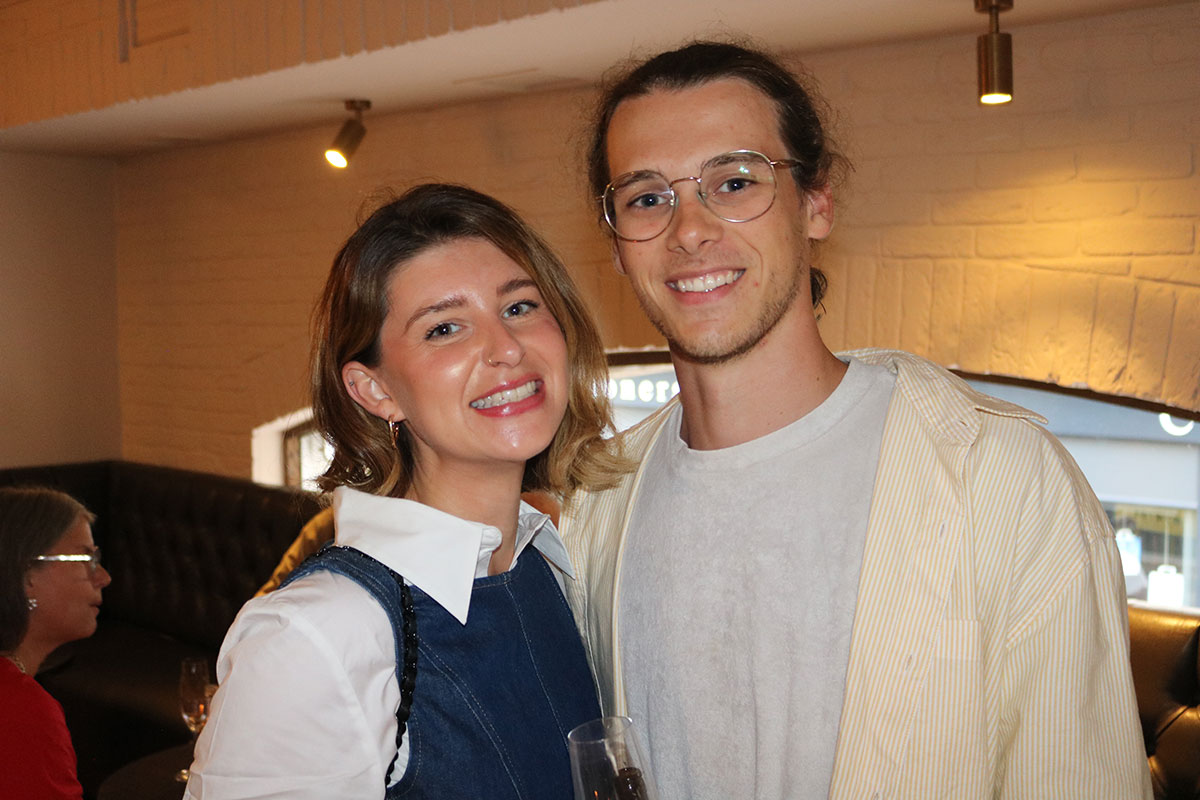
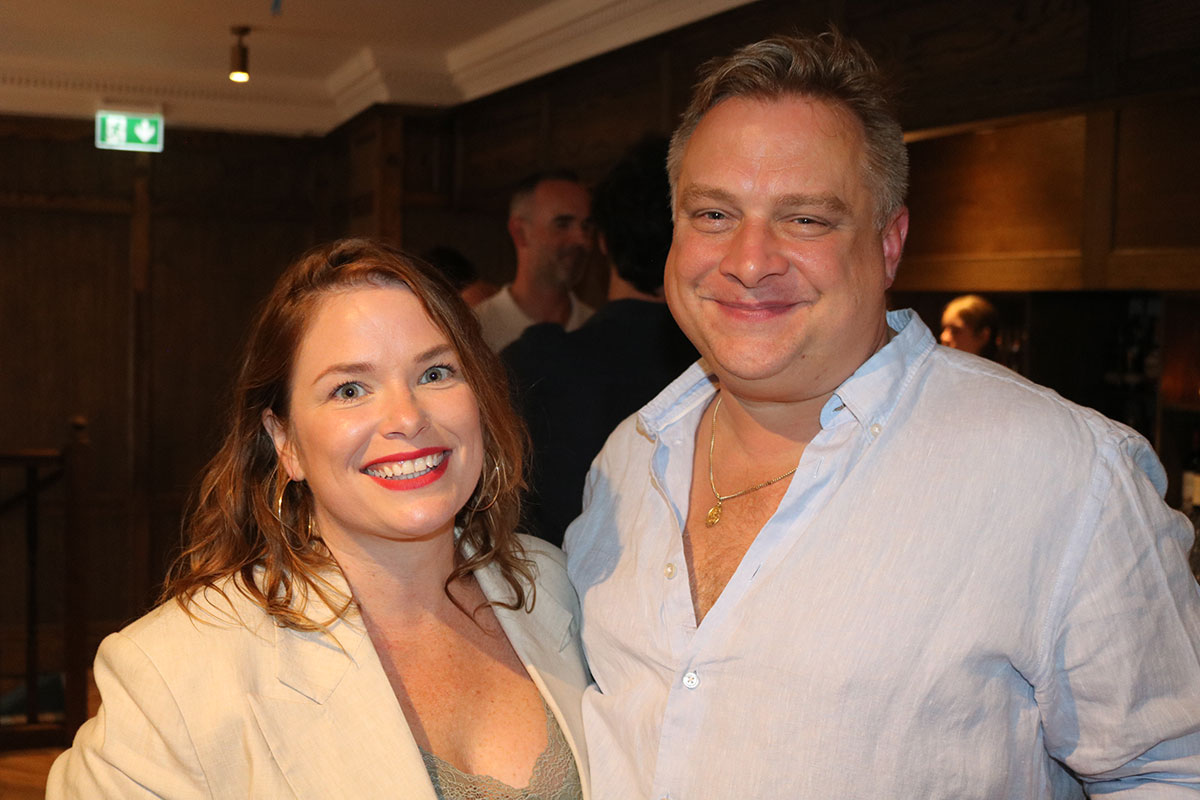
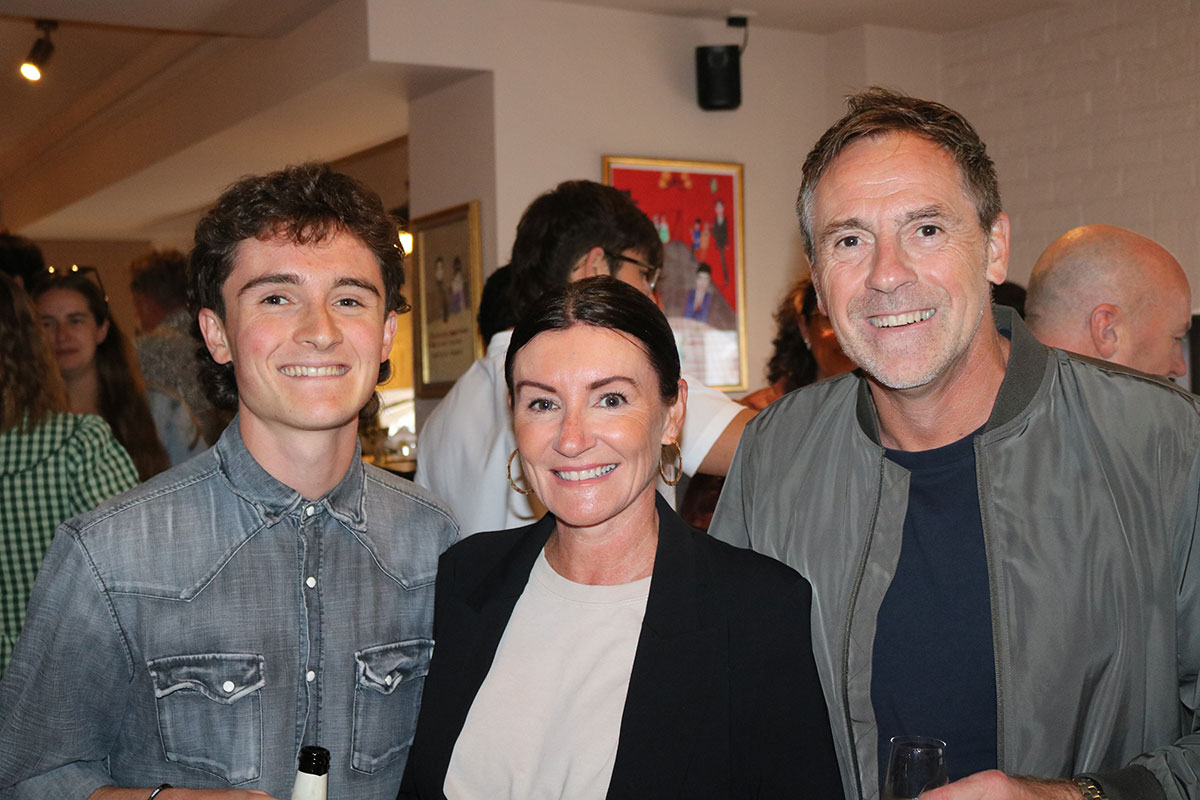
Canaccord Wealth hosted a client evening celebrating both the rich heritage and exciting future of the newly refurbished Opera House. Held ahead of the venue’s official reopening, the event welcomed over 200 guests who enjoyed a vibrant atmosphere with drinks, canapés and captivating performances by Ballet D’Jerri, Jersey’s National Ballet Company. The evening reflected Canaccord’s commitment to community and culture, marking a memorable moment in Jersey’s arts calendar.
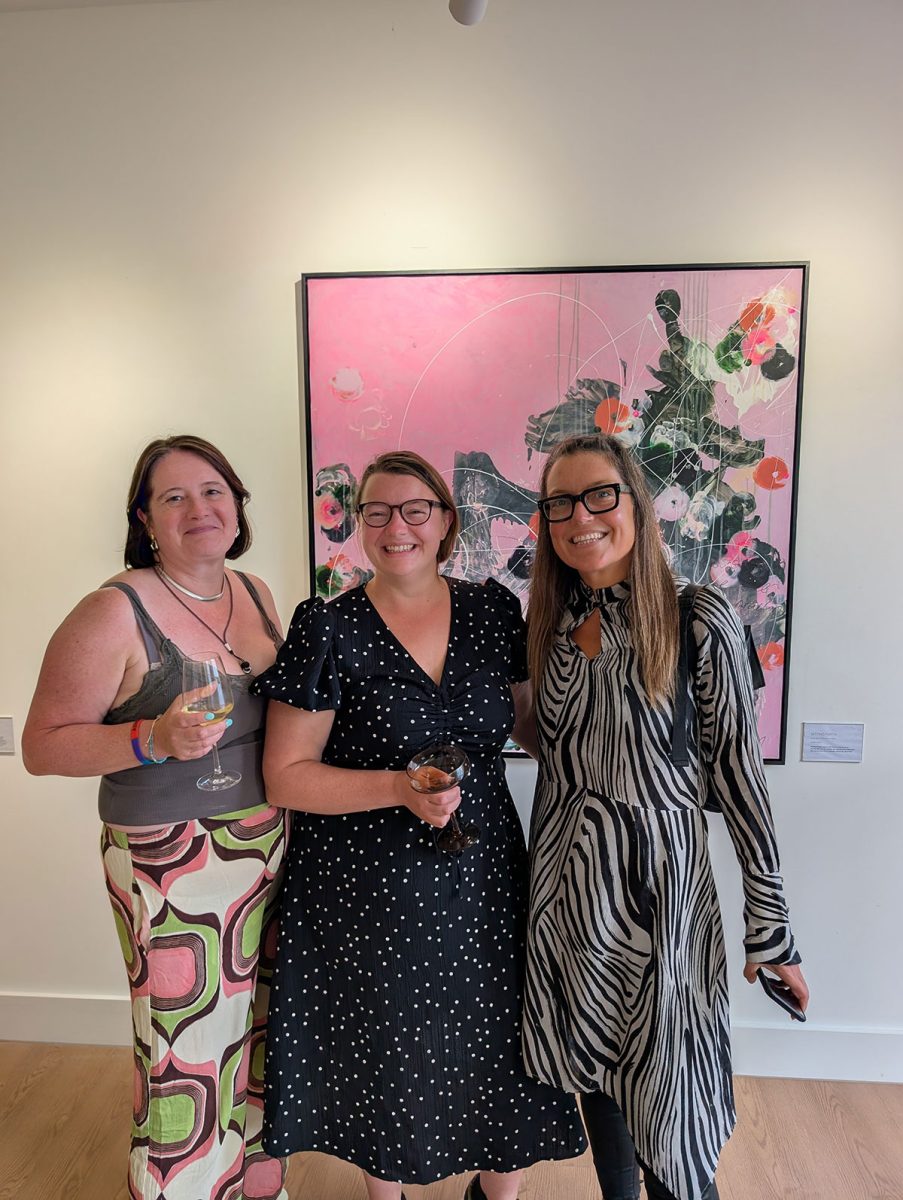
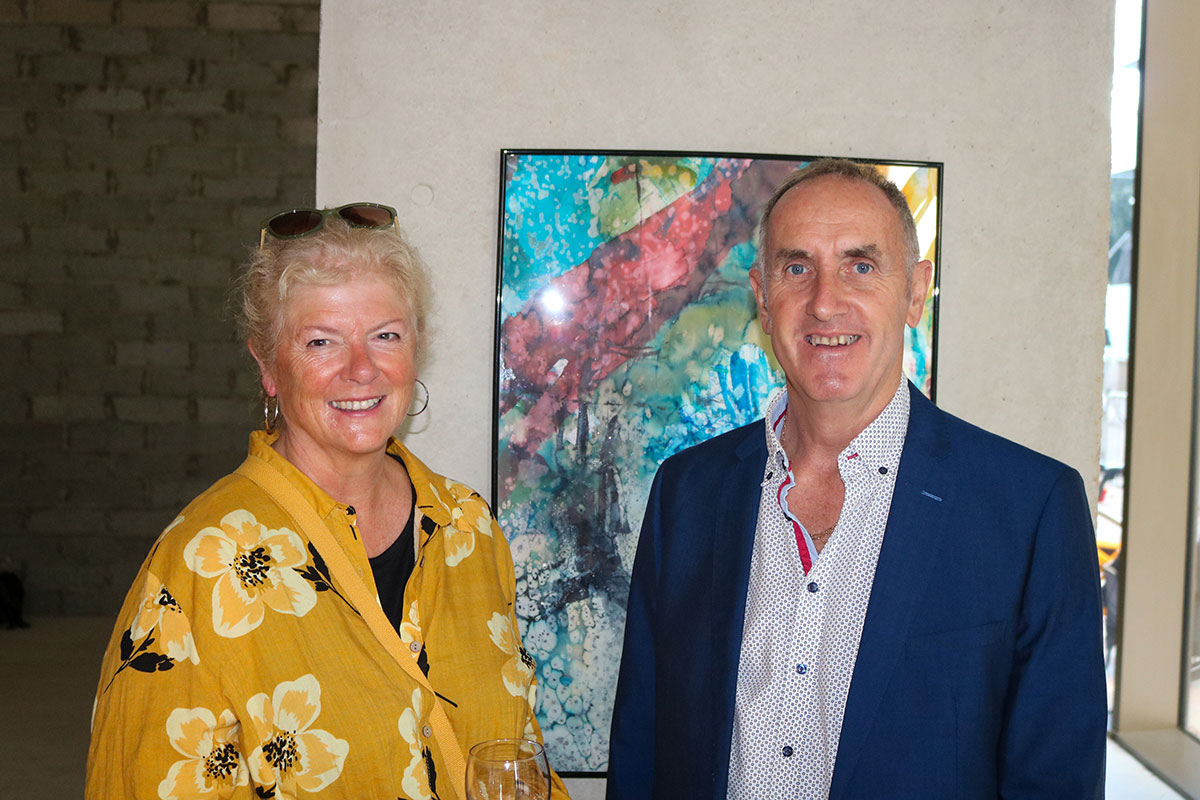
‘Mindscapes’ united Emilie Knight and Chris Addy in a shared perspective; life seen through autism – connection, expression, and communication when words fall short. After a recent autism diagnosis, Emilie’s work invites viewers into an open, multi-sensory space – less a narrative and more a conversation about what it means to be human. Chris’s prints and paintings reflect a darker, more disorienting inner world. Shifting between etching, woodcut, and acrylic, his process embraces unpredictability, producing forms that emerge, dissolve, and resist fixed meaning. Together, their work transcends convention, rooted in raw perception, sensory intensity, and emotional honesty.
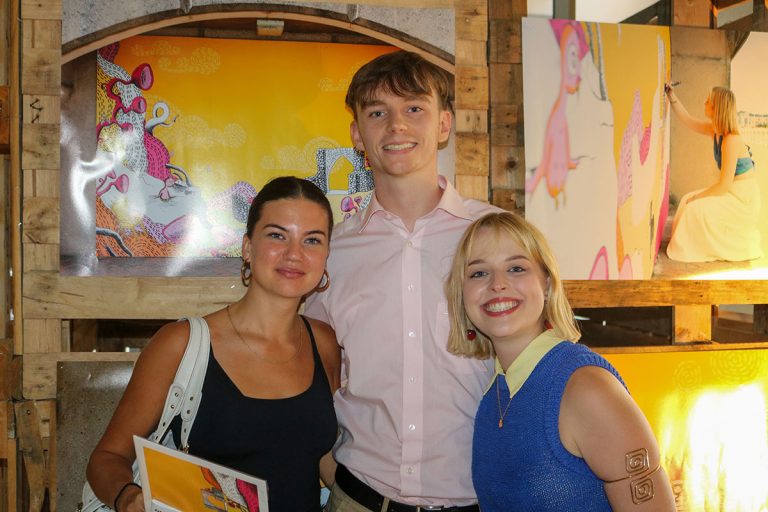
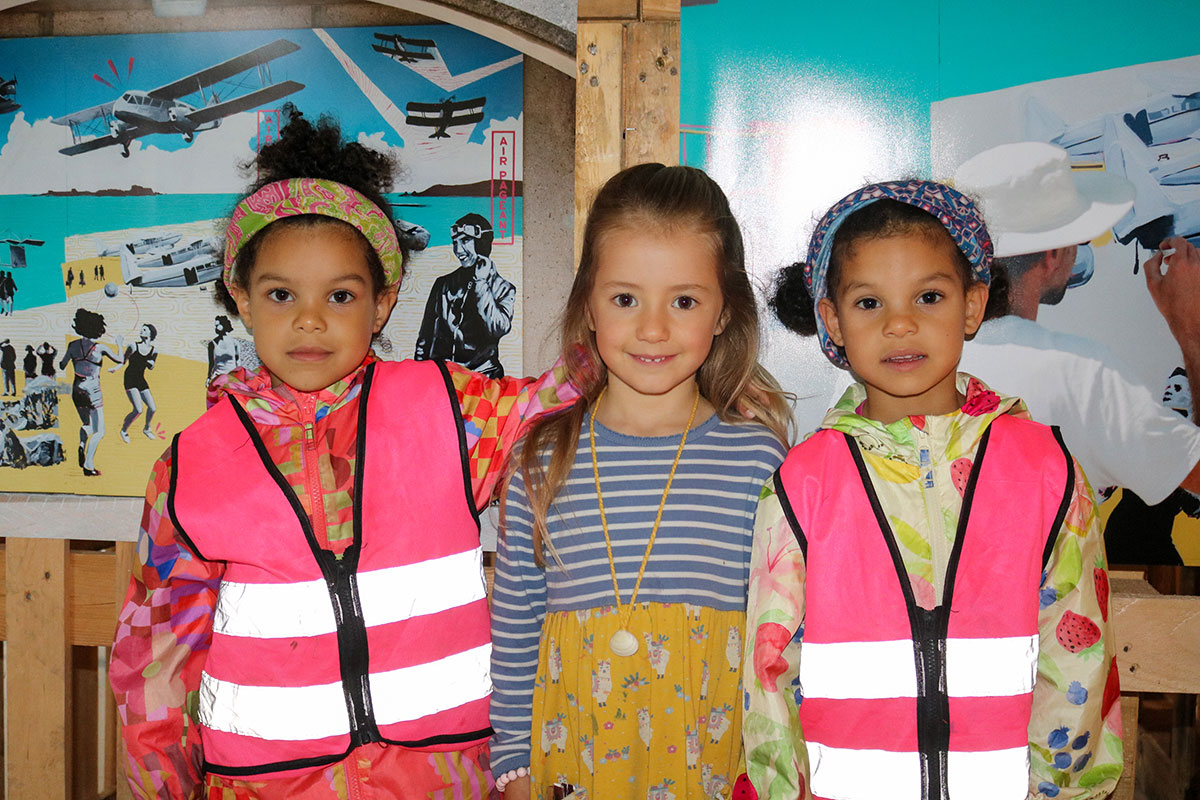
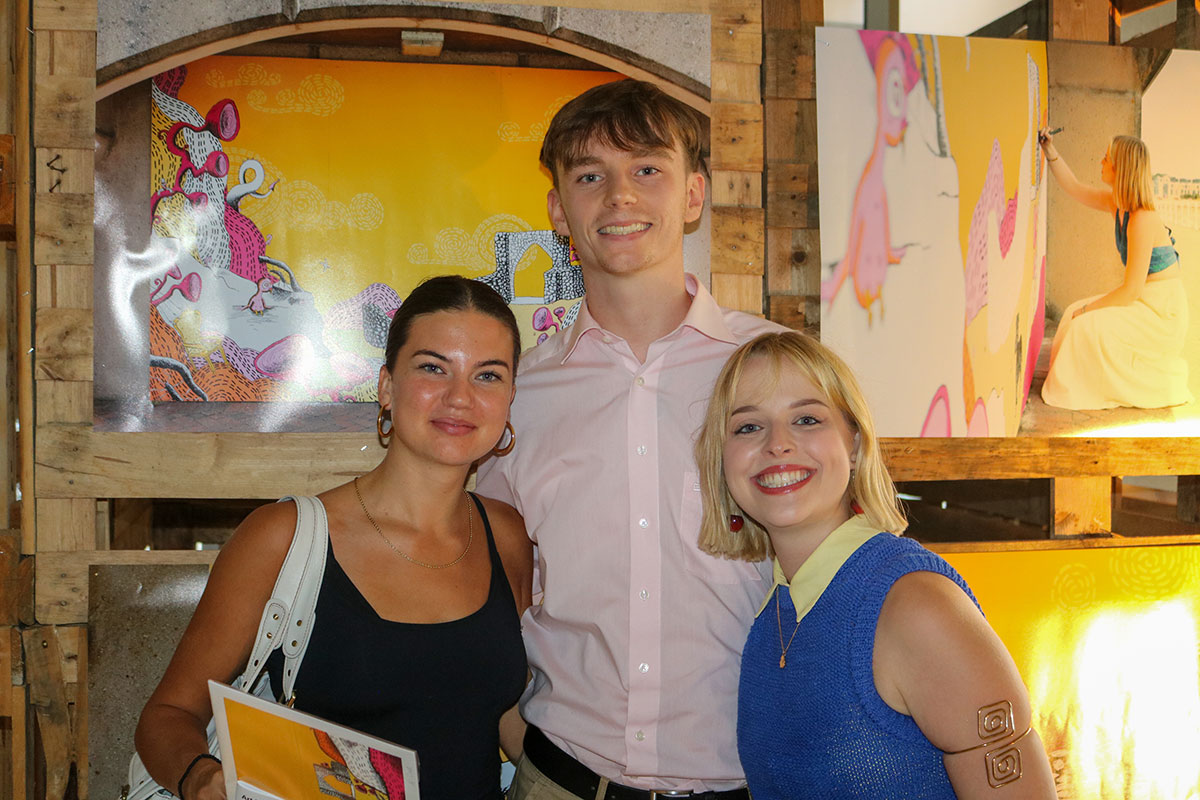
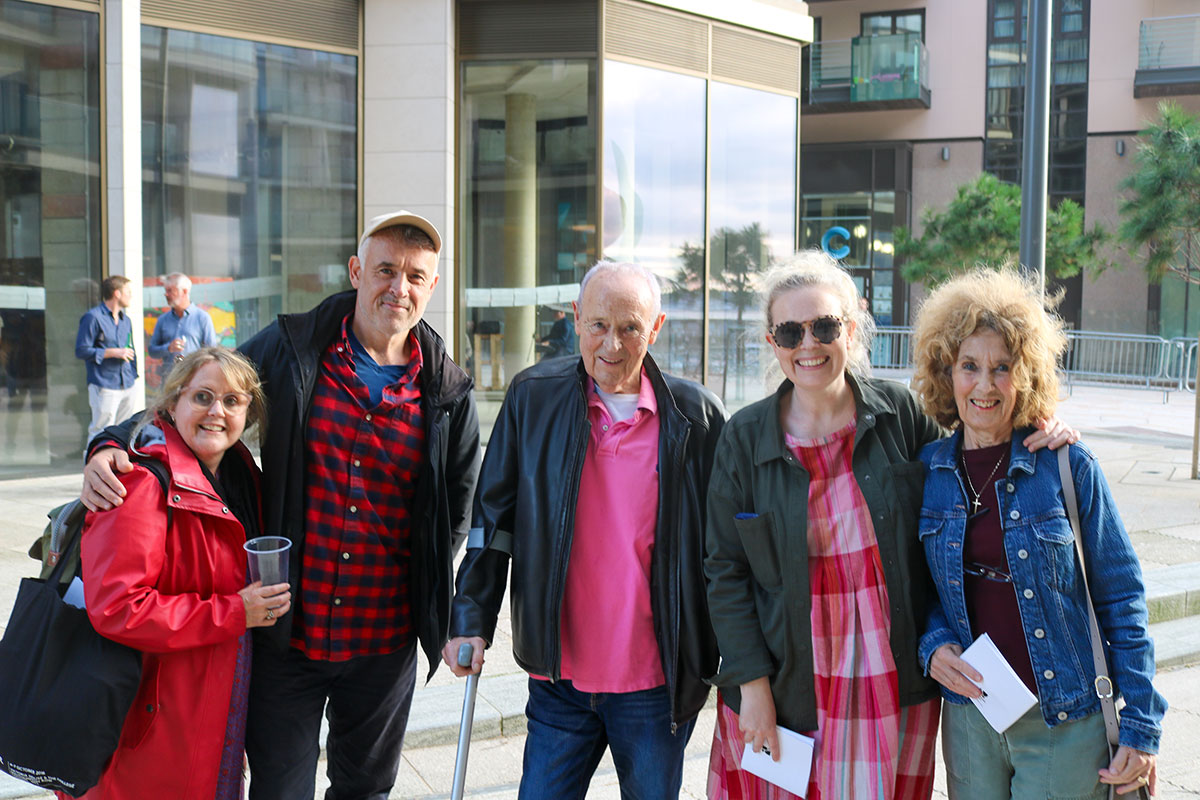
The art community got together to celebrate the second annual Art in the Arches. Guests gathered for drinks, music and a walk along Elizabeth Marina to explore the new murals with the artists, along with the curator to talk through their work. Each artist (Layla May Arthur, Aimée Cast, Rian Hotton, Abi Overland, and Ben Roberson) was assigned one arch and invited to interpret the theme ‘Out of the Blue’ in their own unique way. In addition to their murals, the artists also led creative workshops with students from Hautlieu, JCG, Springfield Primary and Rouge Bouillon, with a further mural created by young people and their families from CAMHS. It was a lovely evening celebrating some of our island’s established and emerging artists.
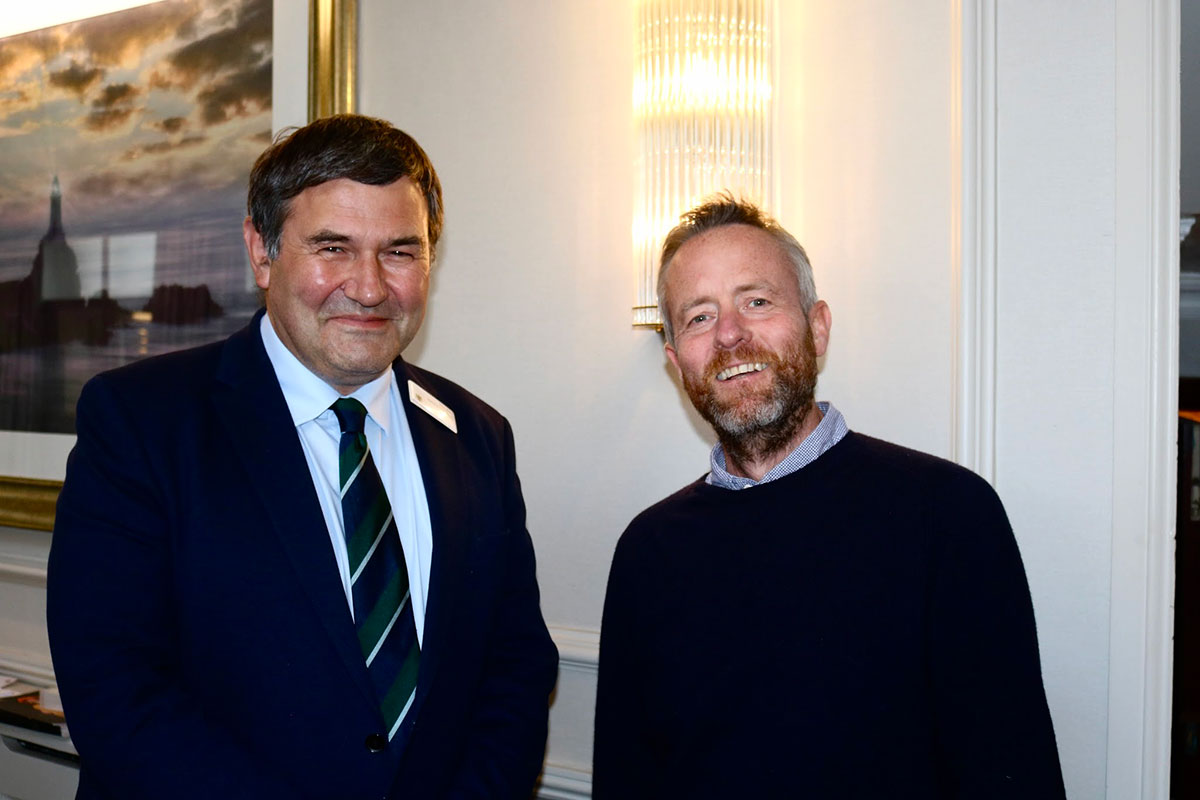
Rugby School’s Deputy Head, Laura Bursey Faulkner and Head of Admissions, Tim Day took a trip to Jersey to meet with pupils, parents, head teachers and future prospective students. It was a great opportunity for Jersey’s next generation of prospective Rugby students to meet ex-students, learn some more about the school and make some valuable connections. The event highlighted Rugby School’s commitment to building strong relationships with the Jersey community.
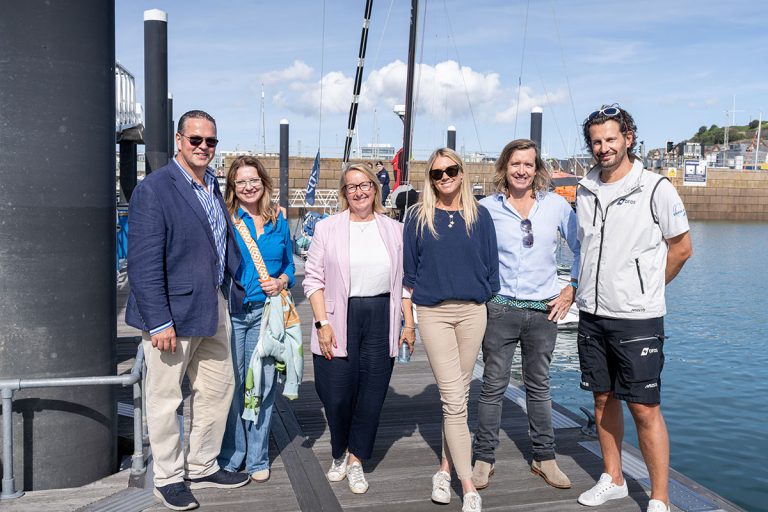
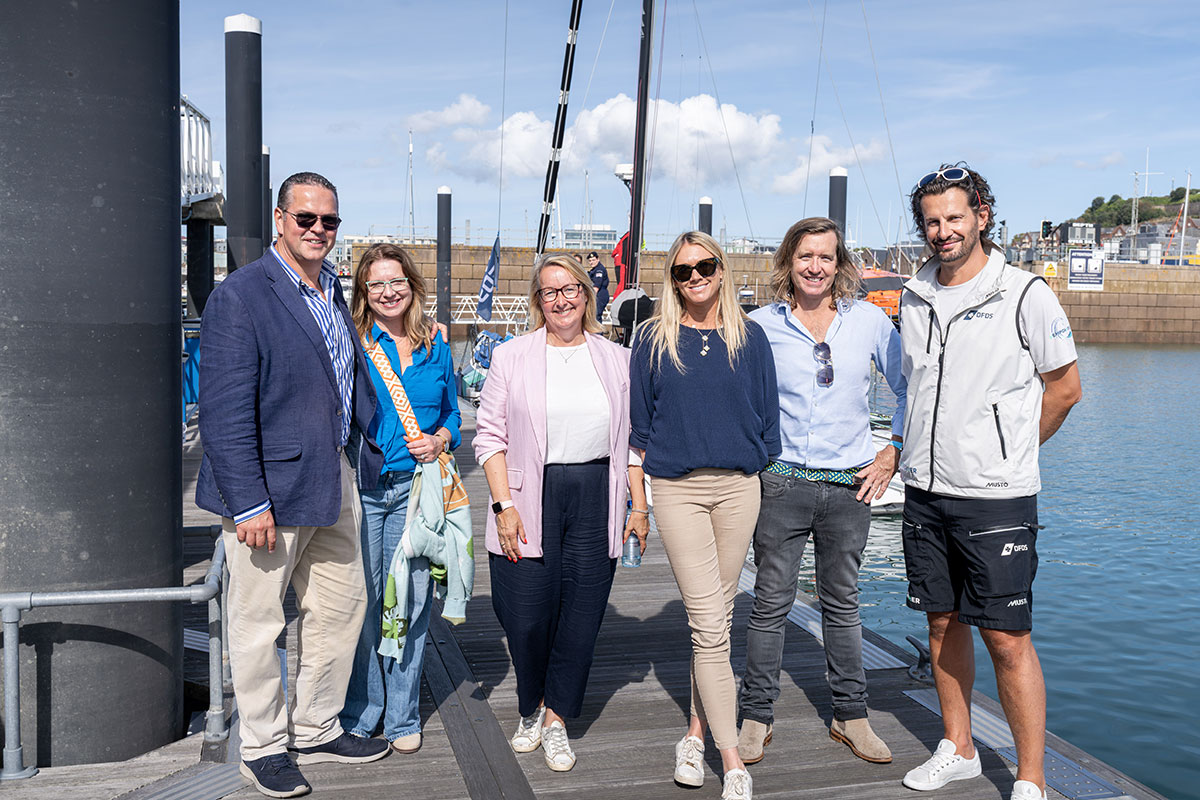
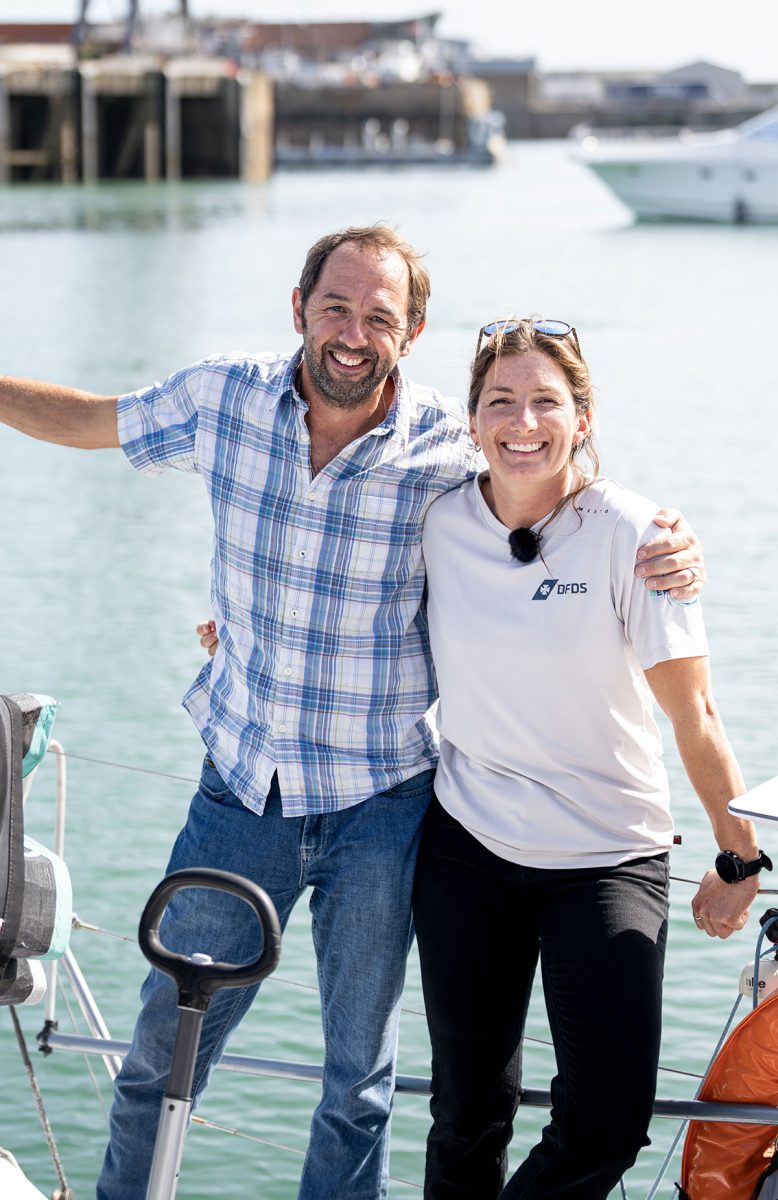
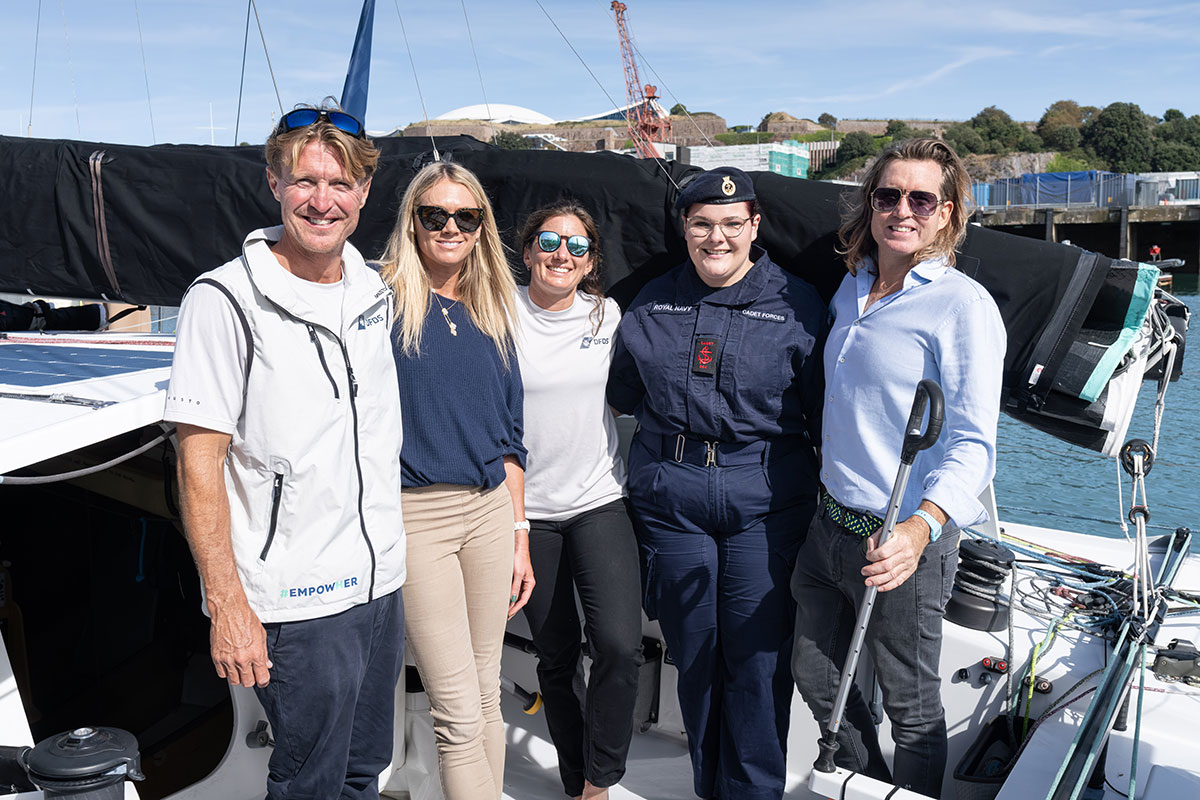
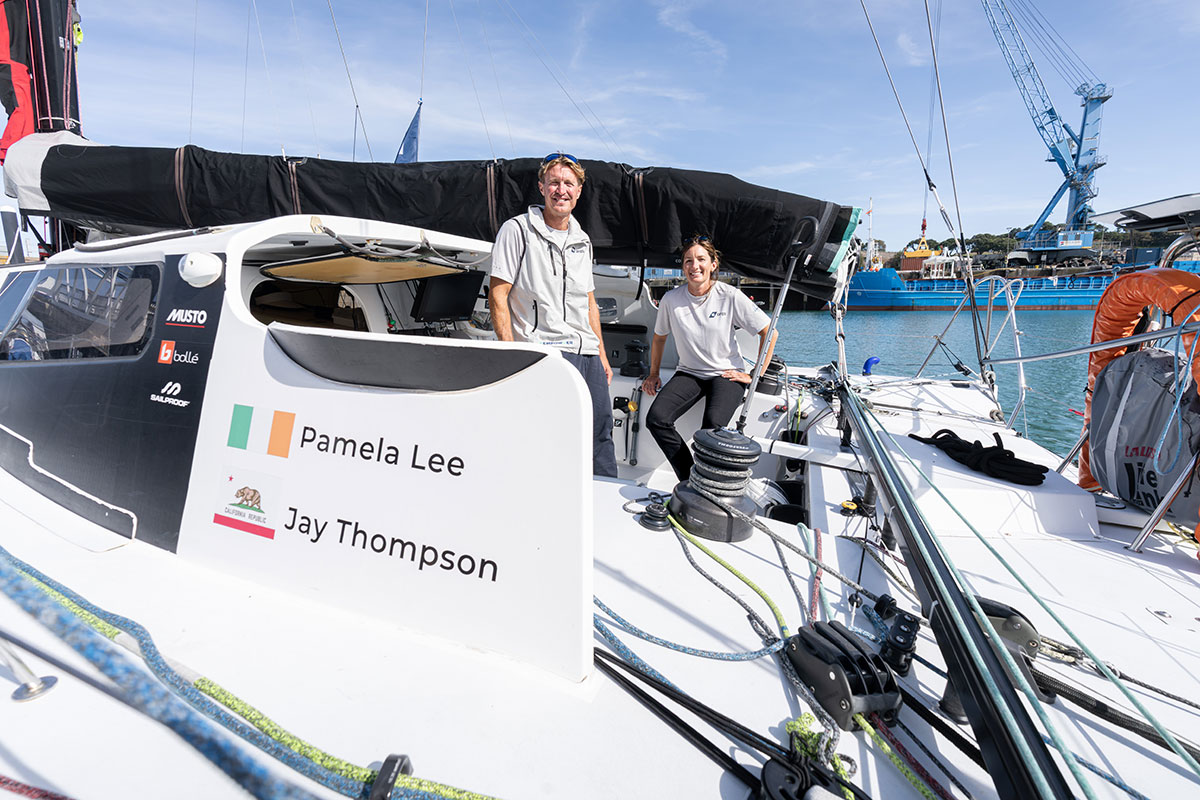
Irish offshore sailor Pamela Lee was welcomed into Jersey by DFDS as part of their partnership as she trains for the 2026 Route du Rhum transatlantic race. The trailblazing sailor met with DFDS guests and invited them aboard her Class40 yacht, #EmpowHER to talk about her training and life on the seas. The event hosted on Albert Pier was part of a full weekend of community engagement, with Pamela meeting members of the public and speaking to local sea cadets to inspire more young people to consider a career at sea. Pamela has set three World Records for the fastest sail around Ireland, was the first Irish sailor to Skipper the Transat Jacques Vabres race, and has become a role model for aspiring female mariners worldwide.
There’s no doubt that Upstairs at Anley St. created a loyal following of adoring, pie-loving foodies. Their delicious combination of great food, a super-relaxed atmosphere and damn fine drinks has been the setting for many a long lunch and indulgent Sunday roast. The giant Bokra-drawn bear that now looks down on the crossing of New St. and King St. signifies the new home for future such occasions, as Claire and Chris extend their warm welcome to larger premesis, having converted the old Crosstown into what they refer to as a ‘pub,’ but is so much more. With a bar and dining room over two floors, it’s a welcome addition to the Jersey food scene.
Humans have been around for 300,000 years, but the concept of a subculture has only really been identified and studied in the last hundred. Have a think about that. It’s pretty unbelievable. 290,900 years of towing the line, and then bam, a couple of wars, some contrasting ideologies, and society starts to eat itself for breakfast, with a variety of side orders.
No doubt there were always those who went against the grain, jumping left when others jumped right, but the freedom to swim against cultural and societal norms is a relatively modern phenomenon. The core urge to avoid death, find food, and procreate didn’t leave much time to stand out and rebel. Religious conformity in (relatively) recent times didn’t favour rebellion too much either, and stepping out of line wasn’t really an option for the more modern man (or woman).
Fast forward to 2025, and we’re 80-90 years post-hipster, the David Byrne suit-wearing, recreational drug-taking jazz lovers who stand out as one of the first groups to purposefully avoid convention, and the landscape for a subculture is very different. In the world of subreddits and social media, the proliferation of splits in the mainstream has left modern Western culture like a tree root, and everyone is included. We’re so used to everything you do; it’s really nothing new. Heavily pierced trans biker with ADHD and a furries fetish? Mmm… It’s just so easy to scroll past these days. 91% of Gen Z feel there is no longer a mainstream culture. Everything is normalised. We’re all unique snowflakes, for better or worse.
Jersey is conservative, no two ways about it. Last time we featured a tattoo shoot, we were accused of being too edgy. As we sought to profile subcultures, it seems fitting to profile a group that would have been controversial a generation ago but is now an integral part of society. A subculture, but an accepted norm. Our covers this month recognise and reflect on the evolution of a collective culture that now accepts individuality more than ever before, I think. And as ever, this edition of Gallery is a celebration of the diversity of our island. Thanks for picking it up.
Whether you’re into patchwork ink, gothic sleeves or Celtic patterns, you’re bound to find a style you love at the Jersey Tattoo Convention. Held annually, the convention brings together around forty local tattoo artists who perform their craft live on the day. This year, the event is in support of the Danny Cram Foundation – a cause that upholds young adults with mental health challenges, set up in memory of Danny after his passing. Whether you’re going down to get some ink or simply want to watch out of curiosity for the craft, it promises to be a fun day out, with DJs, food vendors, haircuts, graffiti walls and chilli-eating contests.
In the run-up to the event, we spoke to some well-known faces in Jersey’s tattoo scene and put together this shoot to celebrate their individual styles. Pictured alongside them is one of their clients – a walking canvas for the original pieces each artist has created. It’s the perfect teaser for what’s to come at the convention.
Jersey Tattoo Convention – August 30th and 31st, Radisson Blu
Travis’s process always begins with a conversation. He genuinely enjoys connecting with his clientele, and more often than not, those conversations lay the foundation for real friendships. For Travis, tattooing is more than just putting ink on skin – it’s a permanent, meaningful exchange between him and his client’s. After all, they’re trusting him to create something they’ll carry for life. He deeply values the unique bond between artist and client, and that connection directly influences the energy, style, and outcome of each piece he creates.
Travis believes that to do this work meaningfully, you have to be in it for the art. He understands the transformative power tattoos can have – how they help people reclaim their bodies, tell their stories, or mark a personal evolution. “Tattooing is about self-identity,” he says. “It’s a way of saying, ‘This is who I am. This is how I want the world to see me.’”
“I used to find getting tattoos stressful due to unwelcoming, cliquey studios, which put me off getting more. A close friend recommended Travis at Seven Tides, and from the first meeting, he was incredibly accommodating. His studio is warm and inviting, with a relaxed atmosphere that immediately put me at ease. He walked me through the design and tattooing process in detail, making everything clear and comfortable. I’ve been going to him for years now – he’s professional, talented, and makes the experience enjoyable. I highly recommend him!” Netta Robertson
Ash Lewis | Unit 3 Tattoo | @ashlewistattoo
Ash Lewis specialises in black and grey realism, dealing with portraits of people and animals at Unit 3 Tattoo. He’s been honing his craft for 13 years – “this style is what comes easiest to me,” he said. “If I was doing a painting, or any sort of artwork, it takes on this realistic form.”
“I grew up surrounded by tattoo culture, so with tattoos being permanent, choosing the right artist was key. Ash’s reputation, incredible realism style, and ability to blend various techniques made him the clear choice. He is not just a tattooist, but a true artist and a master of his craft. Beyond the quality of his work, he’s become a friend, making the whole experience even more meaningful.”
Fliquet Renouf | Unit 3 Tattoo | @body.illustration
Fliquet Renouf has been tattooing for 15 years, focusing on blackwork illustration of flora and fauna, often with a dark, grungy twist. Incorporating dot work, stippling and contrasted texturing, she creates custom botanical and animal designs that stand the test of time.
“Fliq is an amazing artist, and her style really draws me in due to my love of animals and creatures. She’s great with consultations, and suggesting ideas to create a piece that’s even better than I had imagined. As a client, the whole experience feels comfortable and easy – we have the best time!” Ayla Wilton
Gareth Thomas | Monsters Ink | @gareththomastattoo
Gareth is open to all kinds of requests, being amenable to many different styles. “I have a very eclectic taste,” he said. “Whether it’s music or art, I like to carry that through to my practice.” He loves the variety of working with different types of design throughout the week, from black and grey, to neo-traditional, to Japanese.
“Gareth’s creative style is what made me trust him with my tattoos. Every time I give him an idea I know that he will add his personal touch and the outcome will be awesome. I’m already looking forward to getting my leg done – the vibe in the shop makes the time fly while getting tattooed.”Ben Saussey
Sarah Wall | Sarah Wall Tattoos | @cre8_ting
Sarah Wall’s style is rooted in the beauty of nature, with a focus on fine lines and intricate, ornamental details. She loves creating designs that flow with the body’s natural contours, capturing the elegance of plants, animals and organic forms. Each of her pieces is meant to feel soft, timeless and deeply connected to the world around us.
“Sarah’s work carries the same soft, angelic energy she does. I was drawn to her soulful fine line style – and she’s just a truly lovely person to be tattooed by.”Leah Bohea
Tim Hardenberg | Sunda Tattooer | @sunda_tattooer
Tim Hardenberg is known as Sunda Tattooer, a name that originates from the Sunda Islands in Indonesia. Sulawesi, one of the four Greater Sunda Islands, is where his family is from. The tattoos he makes are inspired by traditional Indonesian woodcarvings and batik fabrics, which he transforms into his own ornamental and dot work style. He likes the use of masks, birds and flowers, emboldened by high contrast lines of various thicknesses. His aim is to create a unique piece of art for every client.
“I initially found Tim’s page by chance and it was exactly the style I was looking for at the time. Since then he has created multiple unique pieces of art for me which I am super grateful for. He is a really multi-faceted, talented artist with the ability to see and create on different levels. I think what stands out about his work is that he really engages with the art personally. You can tell he is passionate about the heritage of the design, and individual inspiration that encompasses each project.”Jasmin Taylor
Silvia Kereki | Beneath the Surface Tattoos | @kerekisilviatattoo
Silvia Kereki’s tattoo journey started on the island in 2018. Even before starting this career, she was in love with realistic drawings and paintings, inspiring her to lean towards black and grey realistic tattoos – in particular, female portraits. Expect her to encourage you towards originality when discussing your tattoo ideas, leaning away from just copying a design you found on Pinterest. “There’s always a place for improvement,” said Silvia. “That’s what I’m working on everyday – become a better tattoo artist and make my clients happy with the artwork I put on their skin.”
“I met Silvia when I was around 17 or 18, when I went in for an arm tattoo. She was just starting her career, and she created a small tattoo for me. A few years later I wanted to start to cover my whole body, and I knew she was the right person for it – she’s grown so much as an artist since I first met her, and she’s so talented. She’s so specific about every detail – I have full trust in her, and she trusts me too. It’s always exciting because we get on well, and she enjoys the projects I bring to her.” Bruno Da Silva
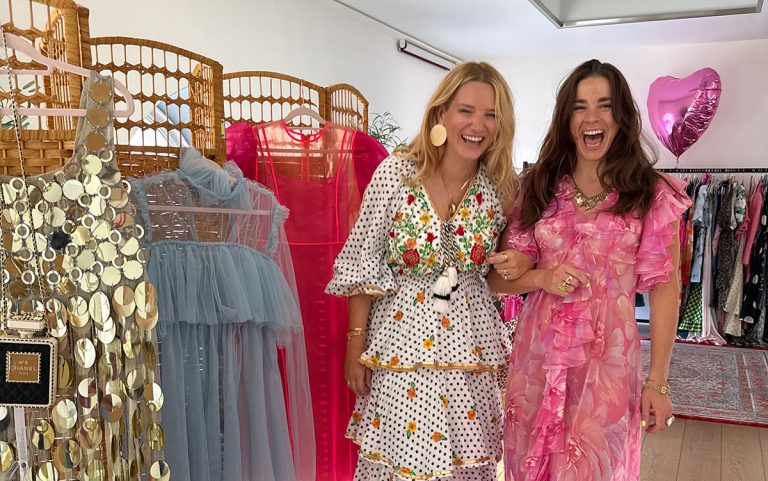
Gemma and Zara are the duo behind Carousel, and long-time lovers of great clothes and better choices. Gemma brings over a decade of fashion industry experience, having styled everything from high-street campaigns to red carpet looks. Zara’s background is rooted in sustainability, with fifteen years spent helping global brands reduce their environmental impact – from design to supply chains and beyond. We reached out to them asking them to introduce their business, the items they have on rotation and their favourite memories so far in their journey towards fighting fast fashion.
“As two island girls, we were tired of the lack of access to fabulous fashion and even more tired of the ‘buy, wear once, regret it’ cycle. With one foot in styling and the other in sustainability, we knew the system needed a shake-up. So, we built Carousel: a shared wardrobe for the style-conscious and planet-minded, where you can rent bold, beautiful pieces without the guilt (or the price tag).
It began the way all our great ideas do – over a glass of rosé and a mountain of outfit options. One evening, mid-wardrobe swap for yet another event, we had a realisation – we were already renting… just to each other. The lightbulb moment was simple: if borrowing from friends felt this fun, easy and stress-free, why couldn’t it work on a bigger scale?
What started as a shared wardrobe between two friends is now evolving into a full-blown fashion revolution. Between us, we handpick every piece. If we don’t agree or see the same vision, it doesn’t make the cut. Think head-turning, joy-giving, compliment-catching. We look for statement silhouettes, luxe materials, seasonal sass, long-term style and versatility. Carousel was built to help people look and feel good – about their outfits, budget and impact on the planet.
Overconsumption of fast fashion is an underlying global crisis – there is no doubt about it. I’d love to say renting is the solution, but let’s be honest, it’s not going to single-handedly overthrow the single purchase mindset overnight. That being said, if renting one outfit stops even one of the 92 million tonnes of textiles that are binned each year, then that’s a small win – everything adds up. Renting lets you feel fabulous whilst still doing your bit.
It would be disingenuous to say that we never buy fast fashion, and don’t still have some pieces hanging with tags in the wardrobe. But we’ve never fully subscribed to the ‘wear once, wallow forever’ lifestyle. Even before Carousel, we believed in investing in standout pieces. The kind that defines your style and stands the test of time (as well as using killer accessories to allow you to rewear multiple times without the dreaded social media picture worry!)
We both love clothes, always have, always will – however now we love with intention, we invest in longer term, timeless and stylish pieces. We buy less and wear more, a mindset we believe in even more now that we both have daughters to hand pieces down to.
We want every woman who walks through our doors to feel relaxed, uplifted, and most importantly, fabulous. The Carousel Styling Studio is a go-to feel-good space: warm, welcoming and all about finding the perfect outfit in a totally pressure-free environment. A typical day in the dressing room looks like coffee in one hand, baby bottle in the other, steamer in the other. All mothers have three hands, right? Mood boards flying, try-ons happening, someone squealing “THIS IS THE ONE.” Every appointment is a mini makeover montage. Laughs, outfit reveals, and sometimes (certainly for us) a cheeky glass of fizz or two! We want every woman to leave our styling studio feeling like the best version of themselves – confidence is contagious and our clothes are the carrier.
A few weeks ago, a woman came in looking for something to wear to her daughter’s wedding. You could tell the pressure was on – as we all know, Mother of the Bride outfits are no joke. She told me she never finds anything that fits quite right, and honestly, I could feel her confidence was a little low. So, we had a laugh, tried a few pieces, played around… and then (breathe a sigh of relief), she slipped into this stunning red dress. Her whole face lit up when she looked in the mirror and said, “Okay… I actually feel amazing!” That’s the magic. When someone surprises themselves. When they walk out standing taller, feeling like a total rockstar. Nothing beats it!
We understand that most of us have those little things we feel a bit self-conscious about. Whether it’s wanting to smooth out a few lumps and bumps, cover your arms, or feel a little more supported around the tummy – we get it. That’s why we work together to handpick pieces that work for you and your body. We’re all about showing off what you love, styling around what you don’t, and making sure you feel like the best version of you. Whether it’s for a big event or just because you deserve to feel amazing, Carousel will help you shine.”
Manari Ushigua, the shaman of the Sápara, who taught Leonardo DiCaprio about the different levels of the dream world in preparation for Inception.
Words: Emma Pallent | Photography: Mark Fox
While the Amazon rainforest is commonly referred to as the lungs of the planet, those living inside it call it the brain. It’s widely understood to be a major carbon offsetter, continuing to cleanse the air of a quarter of the CO2 absorbed by the entire Earth – despite deforestation. However, fewer people are aware that a quarter of modern Western medicine is derived from rainforest plants, and the Amazon has functioned as a pharmacy that Indigenous communities have been using for thousands of years – long before the existence of pharmaceutical companies.
Mark Fox, a natural history photographer who has just returned from Ecuador, spent seven years in between one of the world’s most dangerous cities and the Amazon, capturing the lives of its Indigenous communities. When he asked how they knew which handful of plants – out of a sea of 80,000 species – combined to create certain medicines, the people simply replied that the forest told them. Having lived in the rainforest for tens of thousands of years, these communities pass known treatments down through oral tradition and discover new ones using their finely tuned connection to nature.
During his time working in the rainforest throughout the coronavirus pandemic, a particular group of Indigenous people combined multiple plant species into a liquid immunity shot, which they gave to outsiders upon entry to the forest. “It tasted incredibly strong, like alcohol,” Mark explained. “It was full of medicinal properties that cured people from Covid. If anyone in the community had it, they’d just give them this shot in the morning, and it would really sort them out. They gave me a whole bottle to take home with me.”
This kind of intuition – born from being immersed in the natural world – is difficult to communicate to a society accustomed to concrete jungles, artificial light, and the persistent trawl of the 9-5 all year round. We couldn’t be further from the rhythms of the rainforest if we tried. The way Mark attempted to explain this intuition was by likening it to an interrupting voice that frequents your mind. “That gut feeling – when you enter a room and it doesn’t feel right, or that you should go and do a specific thing that day – theirs is heightened and tuned to a tee. They have a connection to nature that we wouldn’t even comprehend.” Even the way we use the word ‘nature’ would seem foreign to them. “We would go out to the park and say we’re ‘going into nature,’” Mark elaborated. “That thought – ‘going into nature’ – seems absurd to them, because they don’t see themselves as separate from it, so much so that the word doesn’t actually exist in their vocabulary.” They can’t take themselves into nature, because they are nature – and, on a deeper level, spiritually interconnected with it.
The river that divides the Sápara and Shiwiar territories.
“It’s really hard for us to get a grasp on how this works,” Mark said, speaking about this spiritual connection to the Earth. To them, the spiritual world is no less real than the material world. Often, there’s no distinction between the two. “They’ll talk about spirits in the jungle as casually as someone entering a room. There was no separation in terms of the language used to speak about what we would see as real and not real.” Acknowledging the existence of the spiritual world is as normal as acknowledging the existence of trees in the Amazon – and the idea that reality is tied to vision would be, to them, only recognising one side of the coin.
Manari Ushigua, the spiritual leader – or shaman – of the Sápara nationality, believes that the most important things in life are directly connected to the spiritual world, and that the knowledge we receive from this world teaches us how to live in the material one. The gateway for learning these things is our nightly dreams. Whilst not all nationalities in the Amazon place as much emphasis on the ‘dream world’ – or Makihaunu – the Sápara people believe that their dreams help guide their lives and connect them to the forest. When they enter Makihaunu, their spirit can communicate with the spirits of trees, animals, and those who have passed away. Nighttime is seen as an educational time when knowledge is acquired and absorbed. “So many things happened that I couldn’t explain,” Mark reflected. “On one expedition the Sápara knew we would turn up that day, despite no prior communication. Manari had dreamt of two guys and a photographer arriving the night before.”
Today, their culture is on the brink of disappearing. Once a society of 200,000 people, there are now fewer than 600 Sápara left between Ecuador and Peru, and less than five still speak their native tongue. Manari tries to raise funds for the Sápara by teaching their understanding of dreams to others around the world through his online platform, Dream World. He has a significant social media following and has taught his beliefs to many celebrities – including Leonardo DiCaprio, who went to the rainforest to learn more about the different levels within a dream a year before Inception came out. Depending on your experience, you can navigate the dream world on different levels – similar to the lucid dreams depicted in Christopher Nolan’s film.
“It transforms you into a completely different world,” Mark reflected. “You’re thinking, does this even exist? Is this real? We live in a Western society that doesn’t believe in any of this. We don’t even sit in a circle and talk about our thoughts anymore, whereas they all sit around the campfire every morning and talk about their dreams from the previous night.” Before the sun comes up, they work on interpreting their dreams together over guayusa – a tea leaf rich in antioxidants and caffeine. It’s also a time for sharing wider thoughts or concerns – whether they want to marry a woman from another community, their plans for the day, and whether they should reconsider any of them based on the previous night’s dreams. Interpreting these symbolic nightly narratives is so fundamental that if you don’t remember your dreams, you’re considered unwell. “I’d wake up in the morning and not remember any of mine,” Mark laughed. “I’d just be like, ‘sorry guys, I don’t know what to say.’”
A Kichwa family circles the fire in a traditional dance.
Whilst guayusa ceremonies are seen as a time to discuss and interpret dreams, ayahuasca ceremonies are used to connect directly with the spiritual world. They involve consuming a reddish-brown psychedelic brew, traditionally made by boiling the woody stems of the Banisteriopsis caapi vine with the leaves of the Psychotria viridis shrub. The latter contains the naturally occurring chemical DMT, which is combined with the former to prevent the compound’s rapid breakdown. We all have DMT in our bodies at low levels, and it’s hypothesised to be responsible for the ‘life flashing before your eyes’ sensation when you pass away, following a surge of the chemical being released. When consumed by thirteen healthy volunteers in a recent study, researchers observed an immediate drop in alpha waves in the brain – similar to what occurs when we open our eyes – while the participants’ eyes were closed. These patterns suggested that people were engaging with a vivid space quite similar to dreaming, with delta and theta waves also emerging – typically associated with the dream state.
The preparation of ayahuasca before a ceremony.
“We’d call it a drug,” Mark explained, “but I’d be hesitant to call it that. In my opinion, it’s a medicine.” Ayahuasca is reserved for therapeutic purposes or ceremonial rituals, where Indigenous people seek wisdom from the spirits of the forest. These ceremonies are typically performed in darkness and grounded by Icaros – healing songs used in rituals involving plant-based medicines. These songs may come to a shaman during a ceremony or be passed down through previous lineages of healers, and are used to induce a profound state of healing, awareness, or awe.
“What makes ayahuasca feel more like a medicine than a drug is the way it’s approached,” Mark continued. “It’s taken with intention, under ritual and purpose, guided by a shaman. It’s not recreational, it’s reflective. People don’t take ayahuasca to disconnect, but to confront something or seek guidance from within.”
During his time with various nationalities in the Amazon rainforest, different shamans told stories of the many circumstances in which they’ve used ayahuasca for the benefit of their community. One example involved a baby who was unwell, and no one could determine the underlying issue. The shaman took ayahuasca and experienced a dream-like vision of a dark cloud of energy over the infant’s throat area, which led them to investigate and treat the illness. Other accounts described ayahuasca being used to uncover the culprit behind acts against the community, such as theft or murder. The shamans would induce this dream-like state to – depending on your beliefs and interpretation – either gain guidance from the spirit world or tap into a subconscious part of the brain adept at problem-solving.
“Everybody has their own unique experience,” said Mark, reflecting on his participation in various ayahuasca ceremonies. He explained that while you can set intentions as you drink the medicine, Aya – the spiritual force associated with these rituals – may bring out what you might not necessarily want to see. It’s a bit like shadow work – exploring the unconscious aspects of our personality we pretend to disown but are still influenced by.
“For me, the first time I had ayahuasca I just felt more connected to the elements around me,” Mark recalled. “Other times I’d get rapidly changing images that at first appeared random, but later the puzzle pieces came together to form a eureka moment. On some occasions, I’d be transported to a library that I can only describe as containing all the information about the universe. But my attention could only take me to the glass – I couldn’t enter. In the physical world, I’d get distracted by other sounds, and the vision would disappear. Mastering meditation is the only way to maintain this focus. Although I do meditate regularly, I still found it hard to keep up – I just wanted to write down everything I saw in case I forgot it.”
“It’s been a massive culture shock for me, coming back and trying to explain the world over there,” Mark confessed. “How do I even put into words what I’ve done in the past seven years? Living in one of the world’s most dangerous cities made me realise how incredibly fortunate we are to call Jersey home, and witnessing the fading of Indigenous cultures made me think about the lost heritage of where I come from. How long ago were we all speaking Jèrriais? Now it’s on the brink of becoming a dead language.”
It spurred him to shine a light closer to home, preserving cultural heritage and highlighting the pitfalls in our efforts to care for the natural world. “What good is buying local when UK livestock is fed with over three million tonnes of South American soy every year?” he asks. What we consume mentally is equally as harmful, our minds churned by doomscrolling and dopamine hits. “It isn’t how I want the next generation to grow up,” he expressed. “Where’s the educational, motivational and inspirational content? Where’s the understanding of our planet’s natural rhythms?”
Spending time connecting with the lifestyle in the Amazon – moving in tandem with the Earth’s cycles, living without distractions and embracing the circadian rhythms we’ve evolved to suit – alleviated the pressures our way of life brings. “It’s such a gem that they have,” Mark said, reminiscing on his time in the rainforest. “The sun goes down, the insects come out to play, and you just hear this whole chorus ringing in the forest. Going to bed like that, with no streetlights, no traffic noise, nothing – you find yourself sinking into a deep sleep.”
The base for a small group of the Shiwiar community, neighbors of the Sápara. Twenty-five years ago, a couple of families journeyed downriver to this remote area of the rainforest to protect the land.