Around two months before Jersey’s long-awaited Liberation, one of the island’s grandest buildings – which doubled as Giles Corbin’s family inheritance – was obliterated. On the morning of 7th March 1945, the Palace Hotel suffered a catastrophic explosion whilst still under German occupation. Requisitioned by the occupying forces, the hotel had become a sitting duck for the resistance due to its large, volatile storage of munitions.
When a fire broke out, the German commander in charge reportedly refused to allow the fire brigade to intervene, fearing that sensitive military documents inside, including plans for a fresh attack on Northern France, could fall into the hands of the Jersey resistance. What followed was an explosion so powerful it shook St Helier, smashing windows as far away as Bath Street. Nine German sentry guards were killed, and dozens more were injured. The hotel was never rebuilt following the occupation, and today the only part of it that remains is the first and last Olympic-size swimming pool our island has ever seen, currently filled with an abundance of brambles. It sits in the lower gardens of Palace Clos, named after the former hotel.
For Giles, the legacy of his entrepreneurial hotelier great-grandfather lingered in the family identity long after the Palace Hotel was destroyed. It cast a three-generation-long shadow that he couldn’t ignore. “I found it really hard to accept the loss for my family, and the needless destruction of my great grandfather’s life’s work,” he said. Restoring his lineage’s hotelier destiny was a dream that refused to dissipate, despite spending his adult life working as a partner in a local law firm. At the back of his mind remained a desire to bring back what was lost for his family in 1945.
“One of the great things that Mourant did for me was send me on a course at Ashridge College in the UK,” Giles recalled. There, they were instructed to get out a piece of paper and write down what they would like to have written on their headstone. He described this as a pivotal memory when later making the decision to become a hotelier. “I have enormous respect for my self-made ancestors who started with exceptionally little and worked tirelessly to achieve something meaningful,” he explained. “I didn’t want to drop the torch.”
It was another twenty years after this question was posed before Giles set out on this mission, ending the eighty-year gap in his family’s heritage of hospitality. The catalytic moment came after suffering a tragic jet ski accident, for which he was not to blame, that resulted in life-changing injuries. After spending eight years with a severe leg injury and facing the likelihood of sepsis and death, he made the decision to amputate. The accident marked a clear ‘before and after’ point in his life. “I knew if I didn’t do it now, I may never do it,” he said.
Later reflecting on this decision, Giles spoke about the way the renovation project helped him through one of the hardest moments of his life. “I’m saving the building, but I also knew it would save me, giving me something positive and creative to think about other than descending into too much introspection about my own losses,” he said. “One of the things I miss with my physical disability is frictionless freedom of movement, but why should that diminish the bravery and intrigue of wanderlust?” he questioned. It can become easy to feel like your world is contracting around you. “The idea of going out of the house, let alone on holiday can be really intimidating,” he said.
Taking the leap and travelling around France in search of the perfect château forced him to look outwards rather than inwards. It became clear that he wanted to be in the popular wine region of the Loire Valley because of its proximity to motor events, such as Le Mans 24 Heures, the greatest endurance motor race in the world. With 300,000 attendees, it’s bigger than any F1 race.
Giles was determined to make a project work further south of Normandy and Brittany, as he wanted something distinctly warmer and drier than Jersey, within a relatively short drive from St Malo and en route to ski resorts. Giles’ search, originally initiated in 2005, totalled thirty-five properties, and many were riddled with problems beneath the façade.
“I built up a little knowledge about what to look for in this time,” Giles reflected, despite having no prior experience as a surveyor. The red flags were major deal-breakers such as structural instability, “La Merule” woodworm capable of collapsing a building, and non-stainless steel roof-tile crochets, requiring roof-off repairs or full replacement to get the building watertight. If you’re looking at serious restoration, Giles explained that châteaux like these “can be overpriced if they’re one euro.”
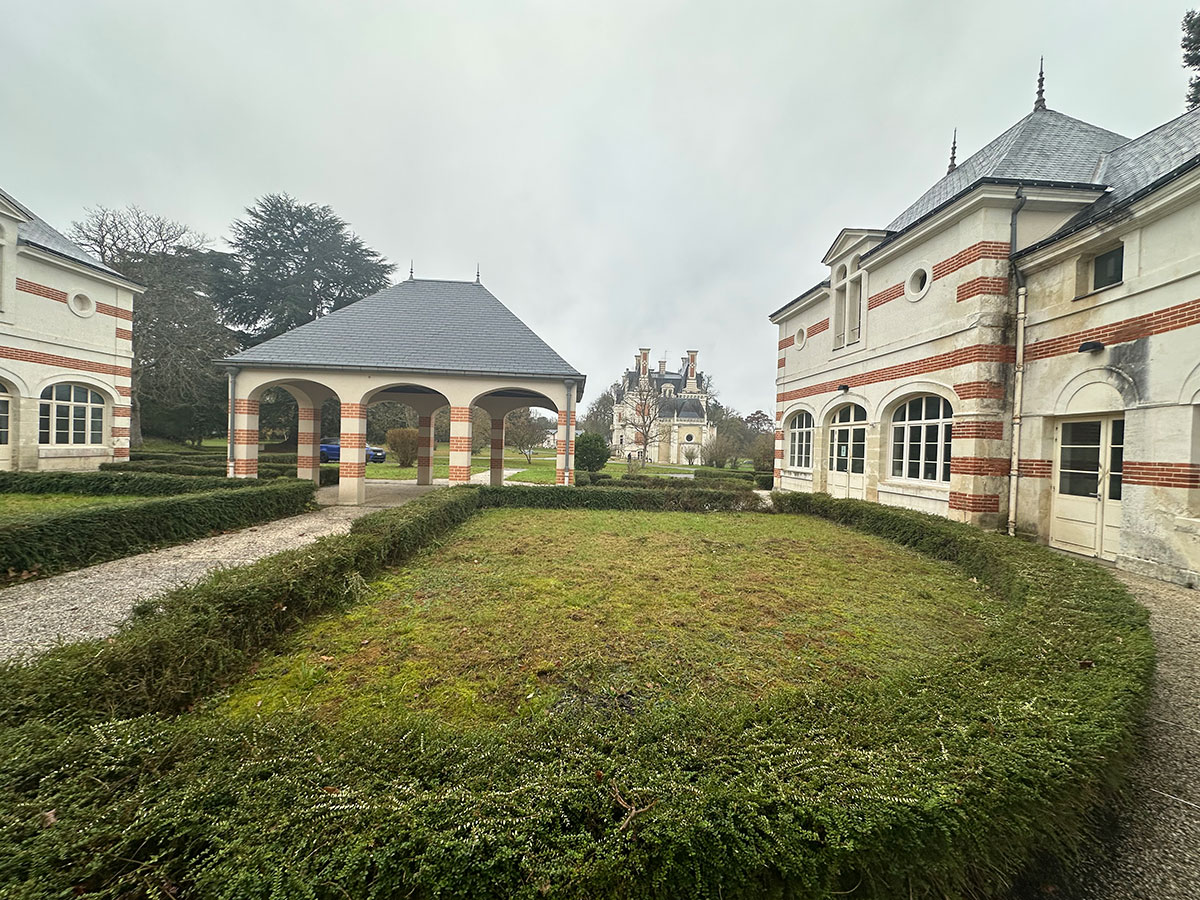
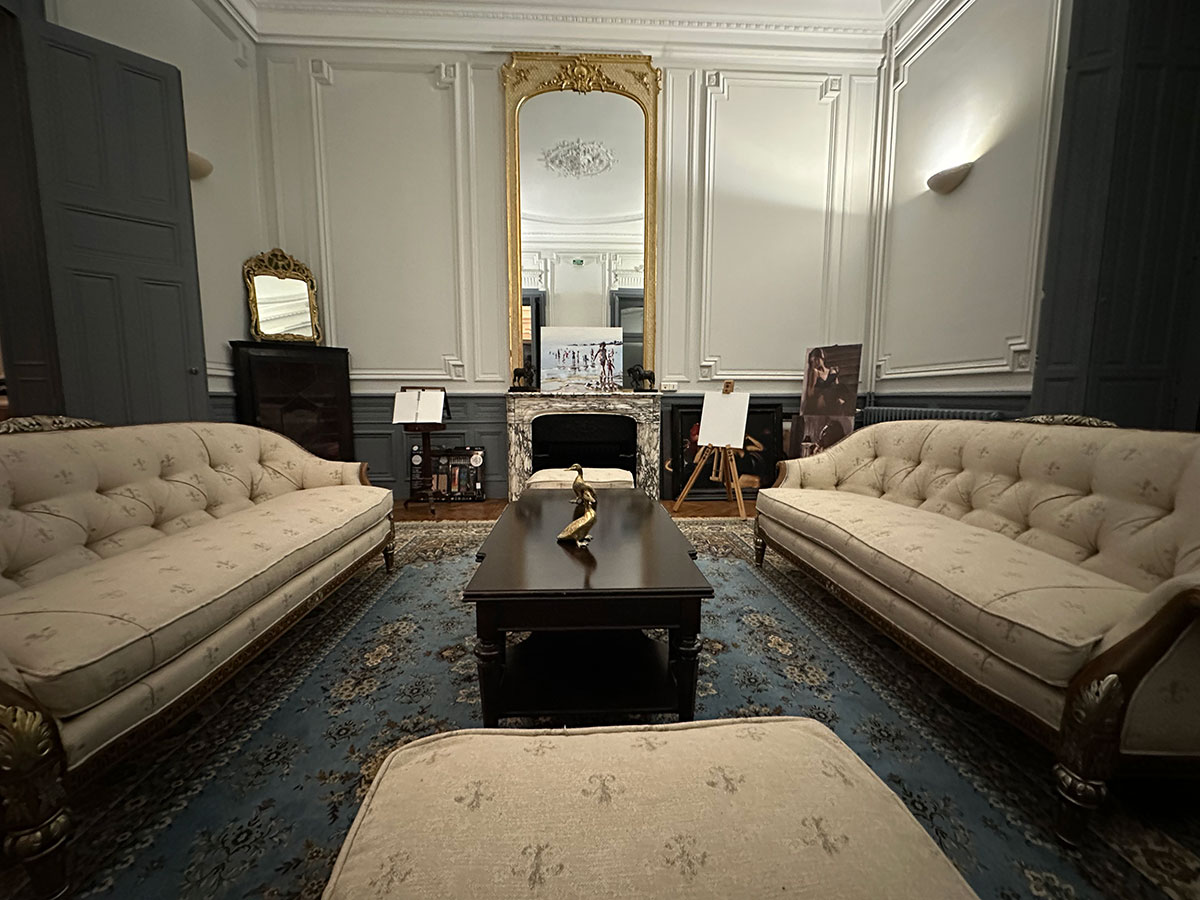
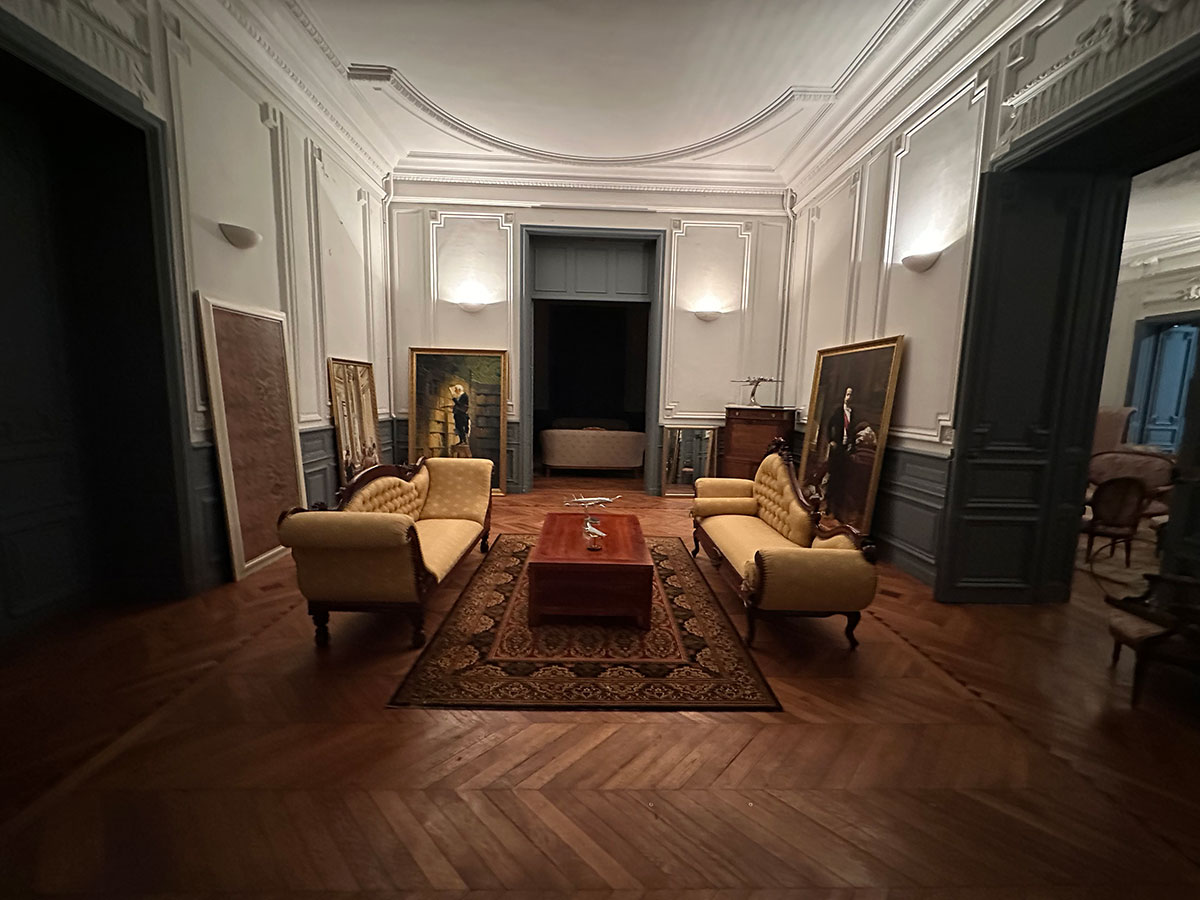
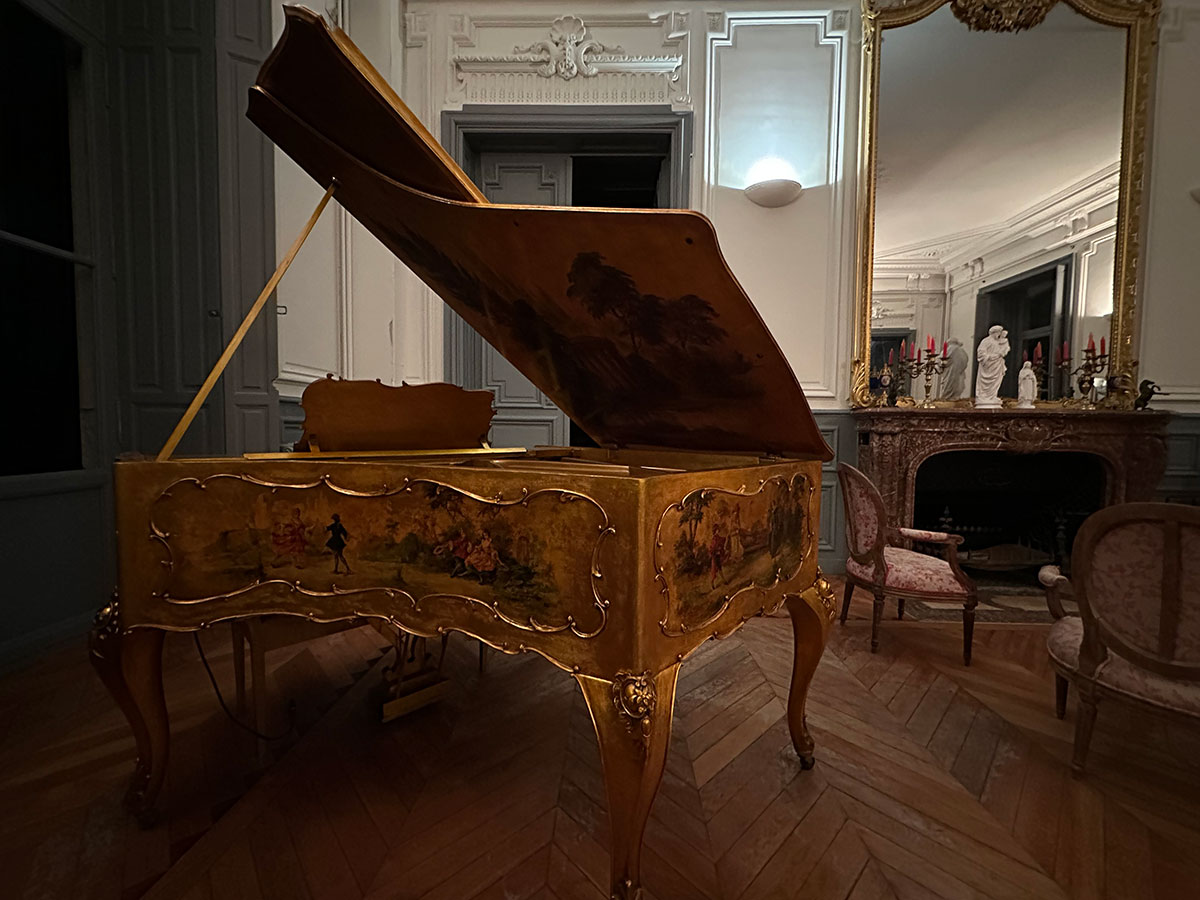
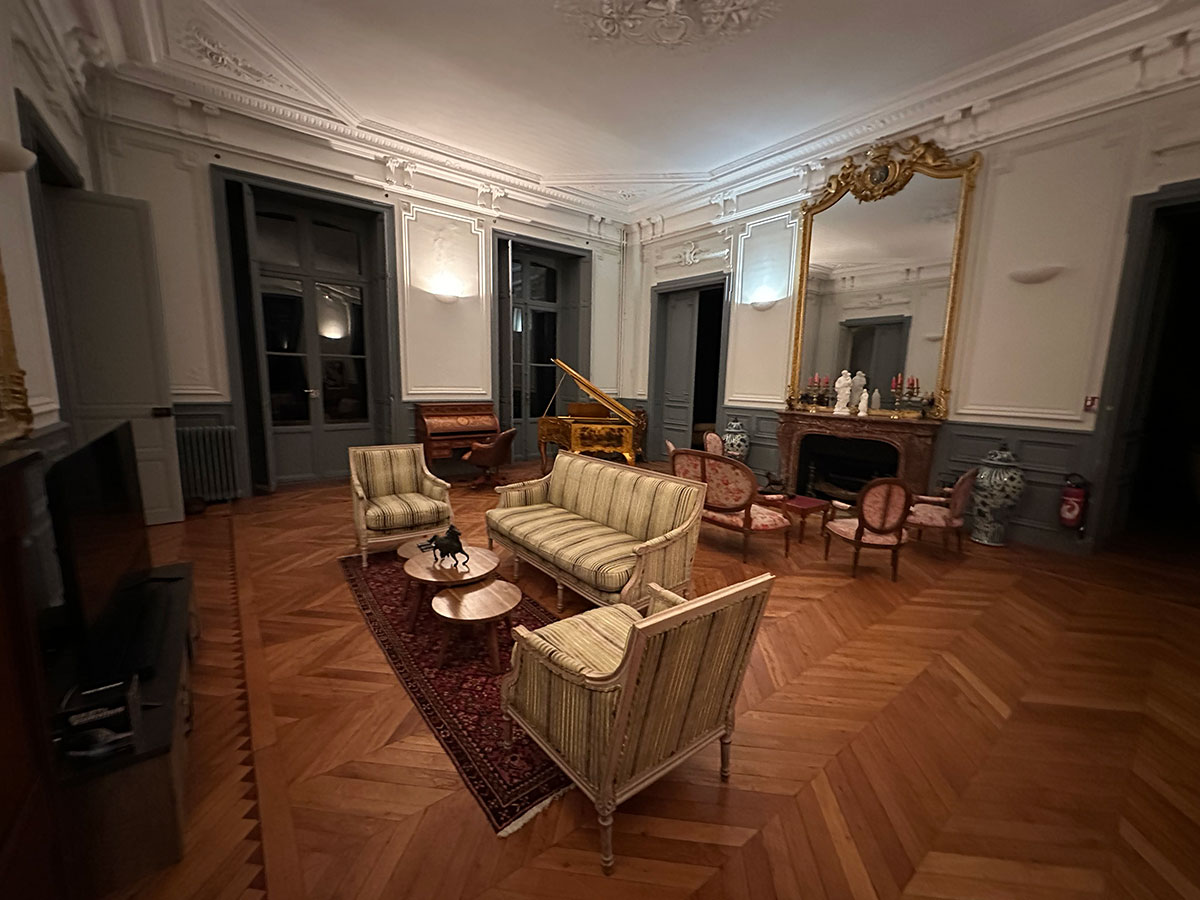
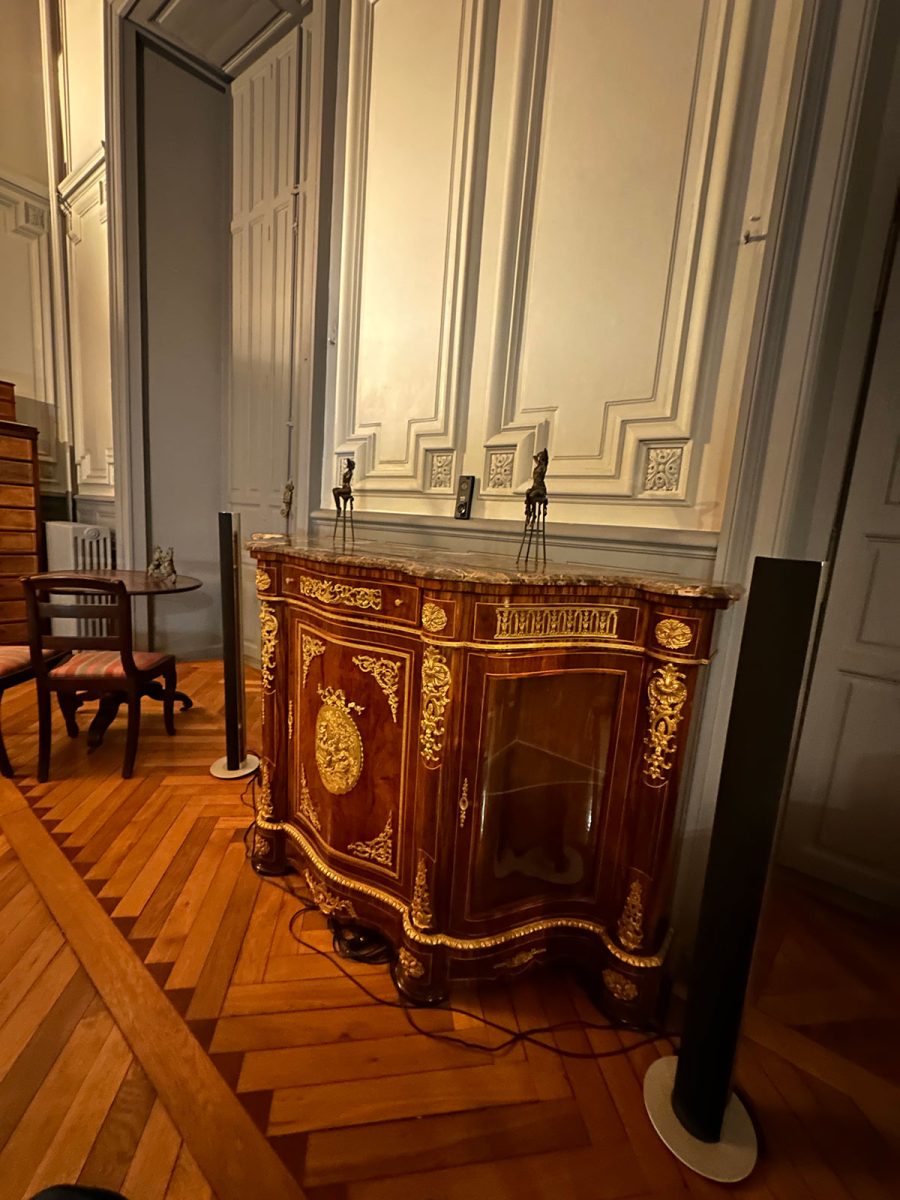
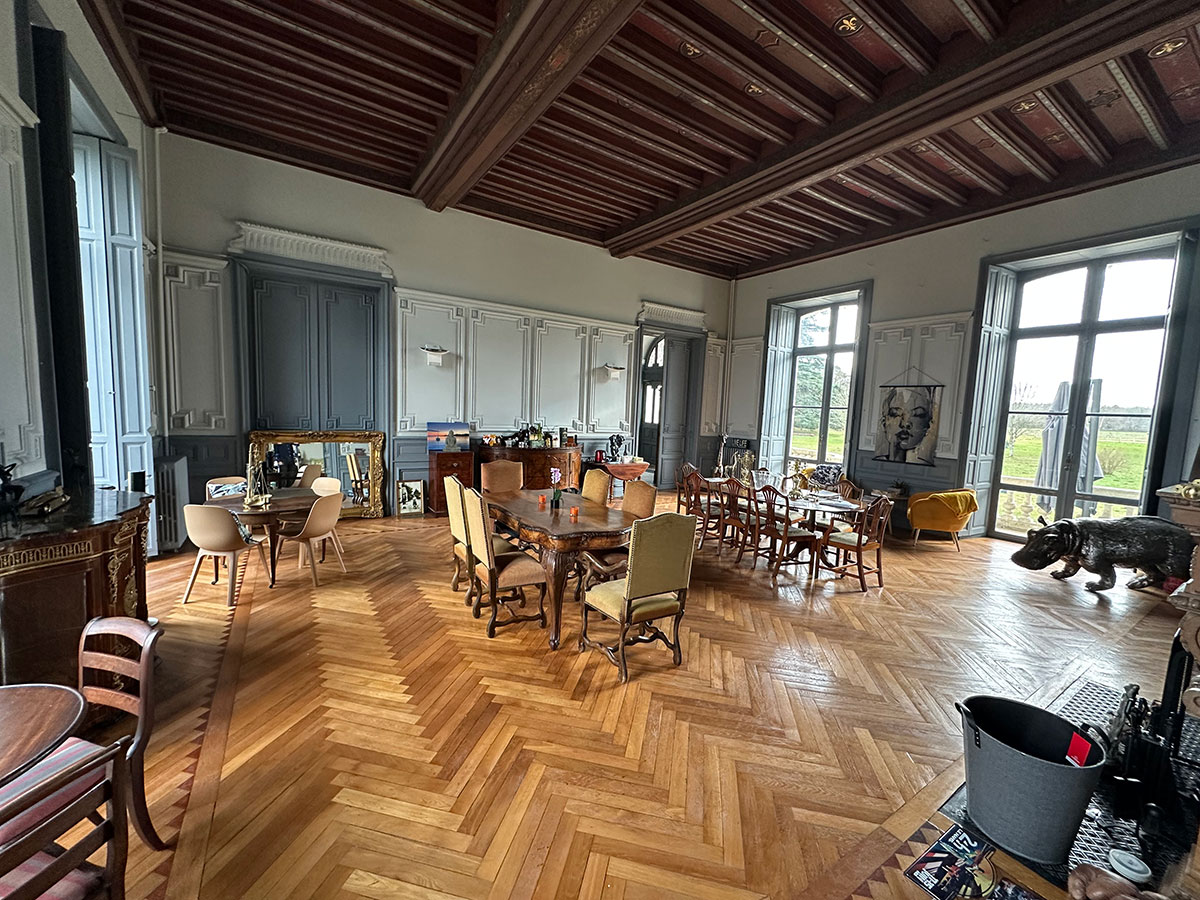
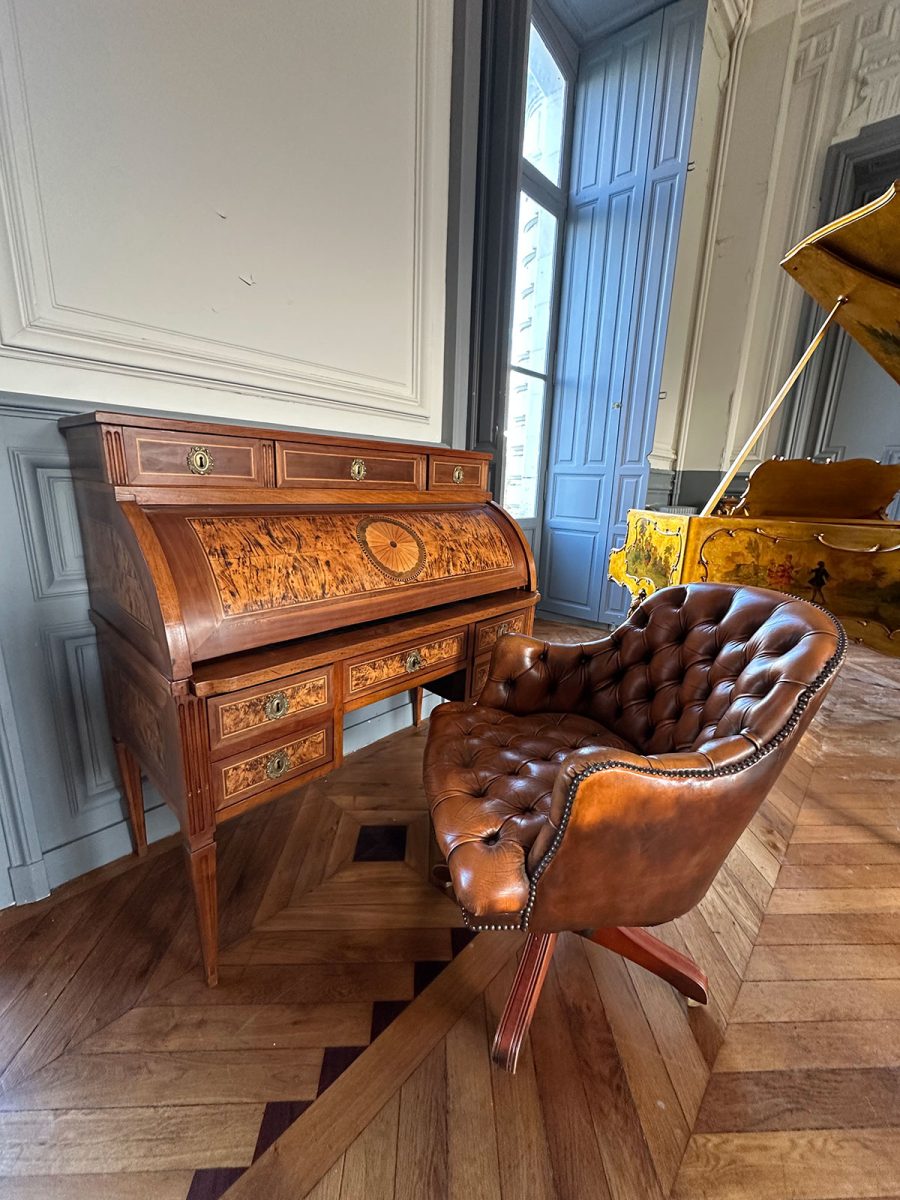
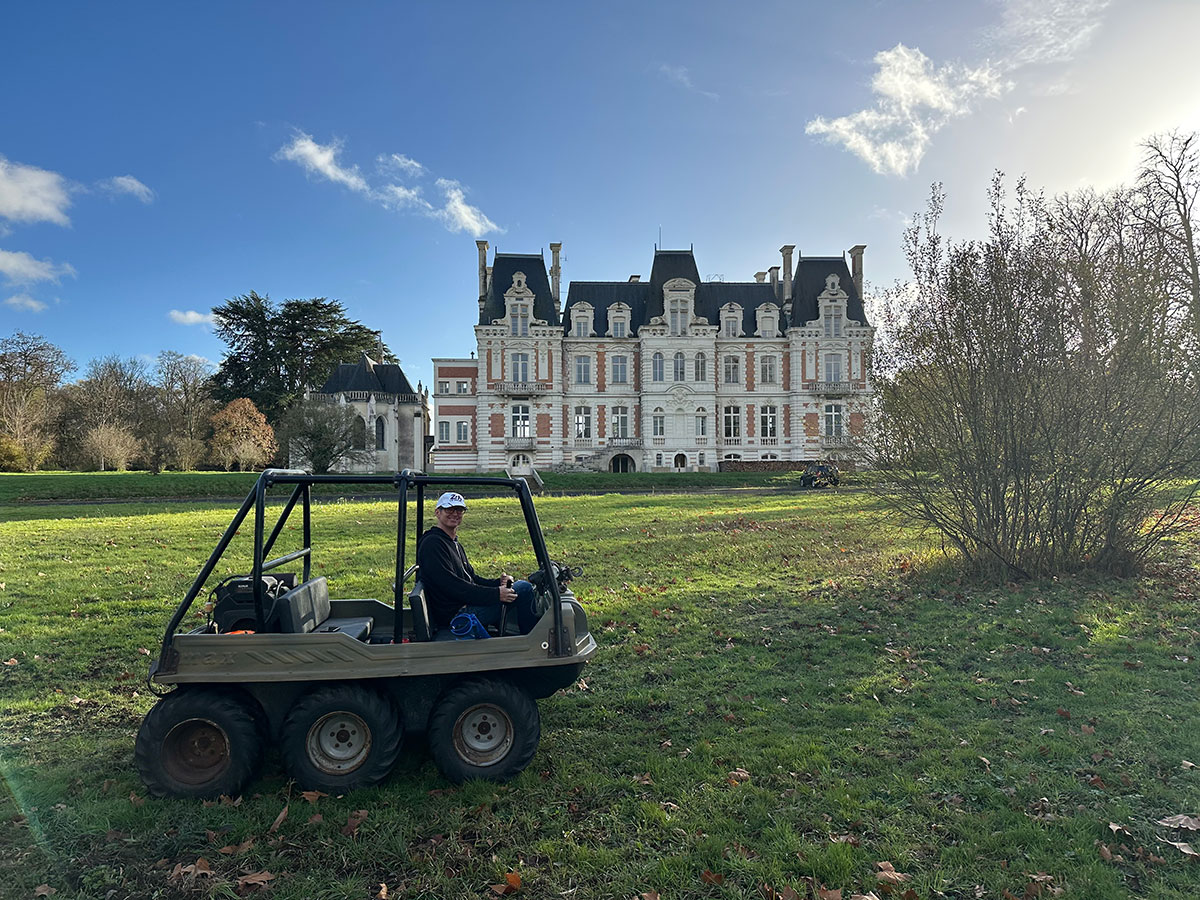
The beautiful symmetry and Napoleonic, Belle Époque architecture of Château de Savonnières evoked an emotional reaction for Giles upon first glimpse. “We pulled up through the gates and I could see it through the trees, and I knew my overriding emotion was that I was already in love,” he recalled. Desperately wanting to find none of the major problems listed above, he tried to keep hopes low. However, almost universally every expectation was exceeded. He likens the tour of Château de Savonnières to a fairytale.
While it was a bare shell on the inside and had been uninhabited for around five years, the previous owner had clearly invested millions into securing the building beneath the surface. “I could see beautiful parquet flooring under the dust,” he recalled. “The rooms were beautifully moulded. There was a ceiling that someone had spent thousands of hours on their back hand-painting.” The family crest was carved into a four-metre-high fireplace, and the French window handles bore the initials JS for Jordan de Savonnières. “It was stunning at a distance, but also stunning in detail,” Giles said.
After viewing thirty-five other châteaux, Giles had learned the small details to look for, and Château de Savonnières stood out as an uncut diamond among a catalogue of rubble. When it came to insuring the property, based on rebuild-cost, it was valued at six times what it cost to buy.
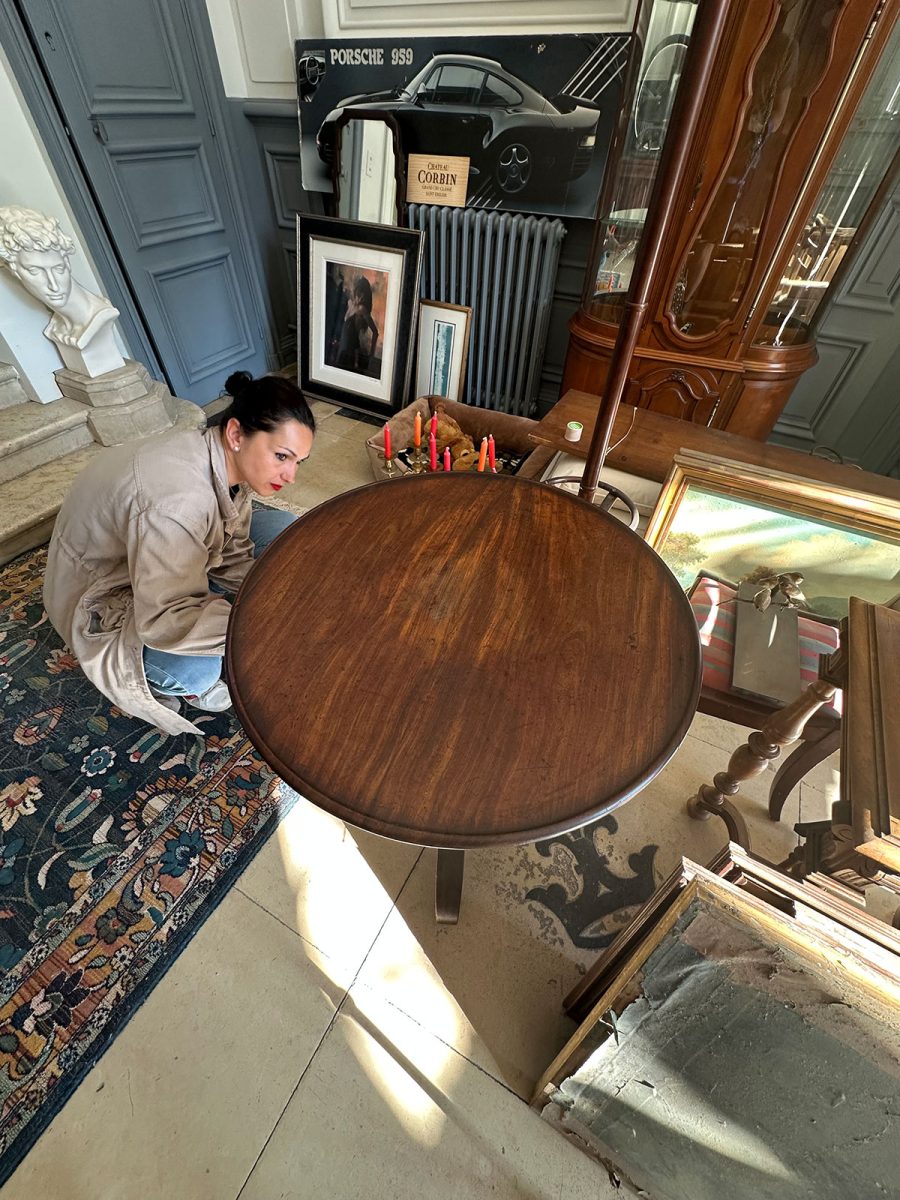
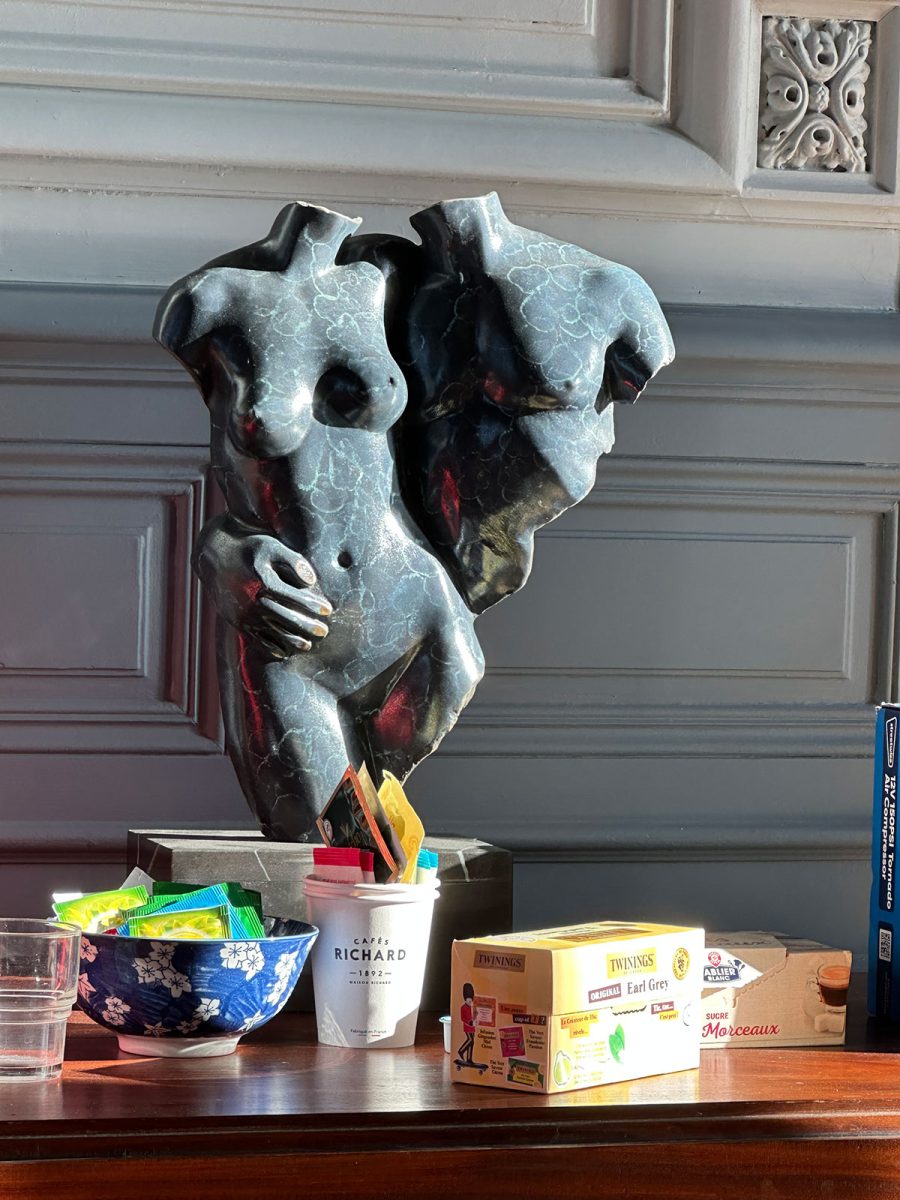
If the building’s bones were Giles’ first stroke of fortune, sourcing furniture was his second. “I got lucky,” he explained, describing how a friend connected him to a château sale only 83km away where an Italian buyer wanted none of the opulent French-style furniture. After five hours of walking around, agreeing prices and recording figures, Giles left with around one hundred pieces of luxury furniture at an exceptionally low price, considering the items were hand-selected by a discerning buyer from auction houses in Paris, and Mayfair in London. “It’s furniture beyond my wildest dreams,” he said. “I had to pinch myself to check it was actually there.”
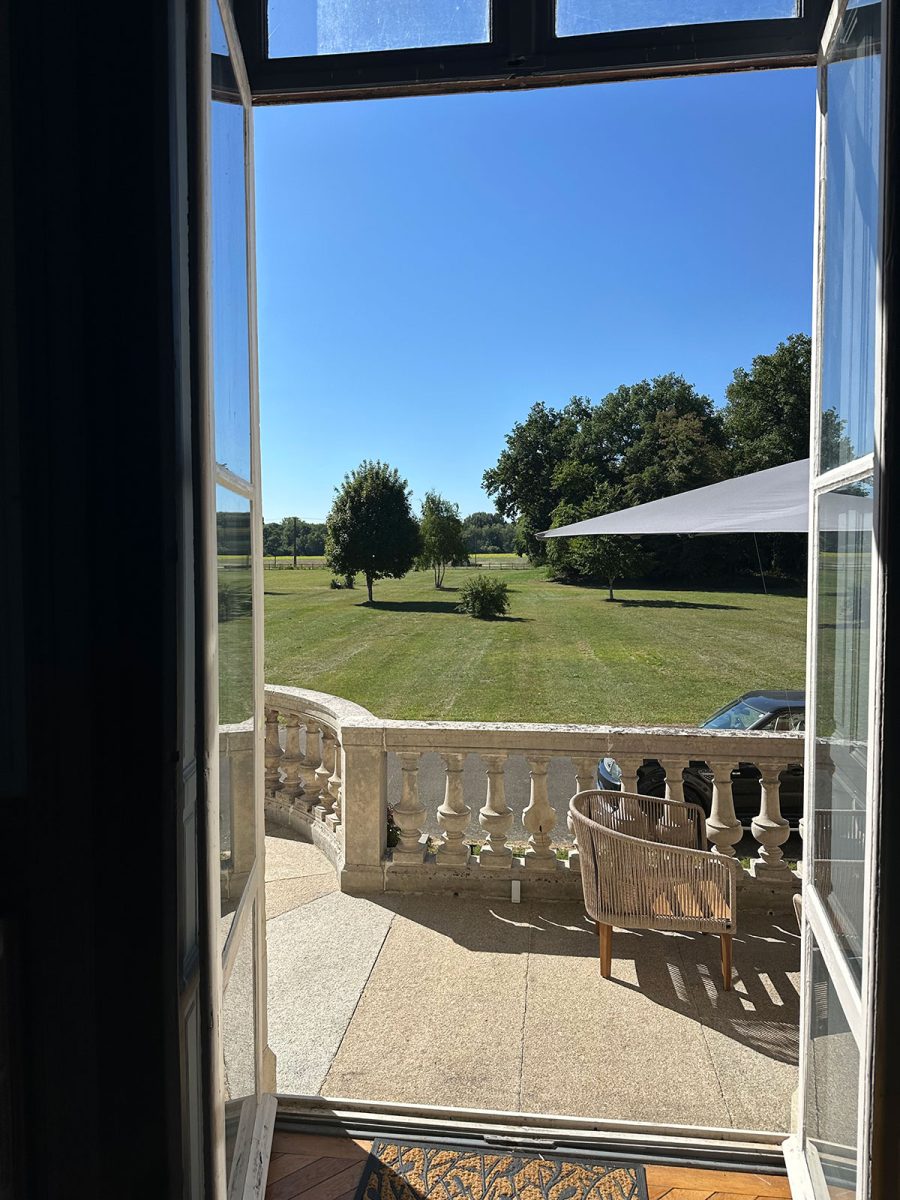
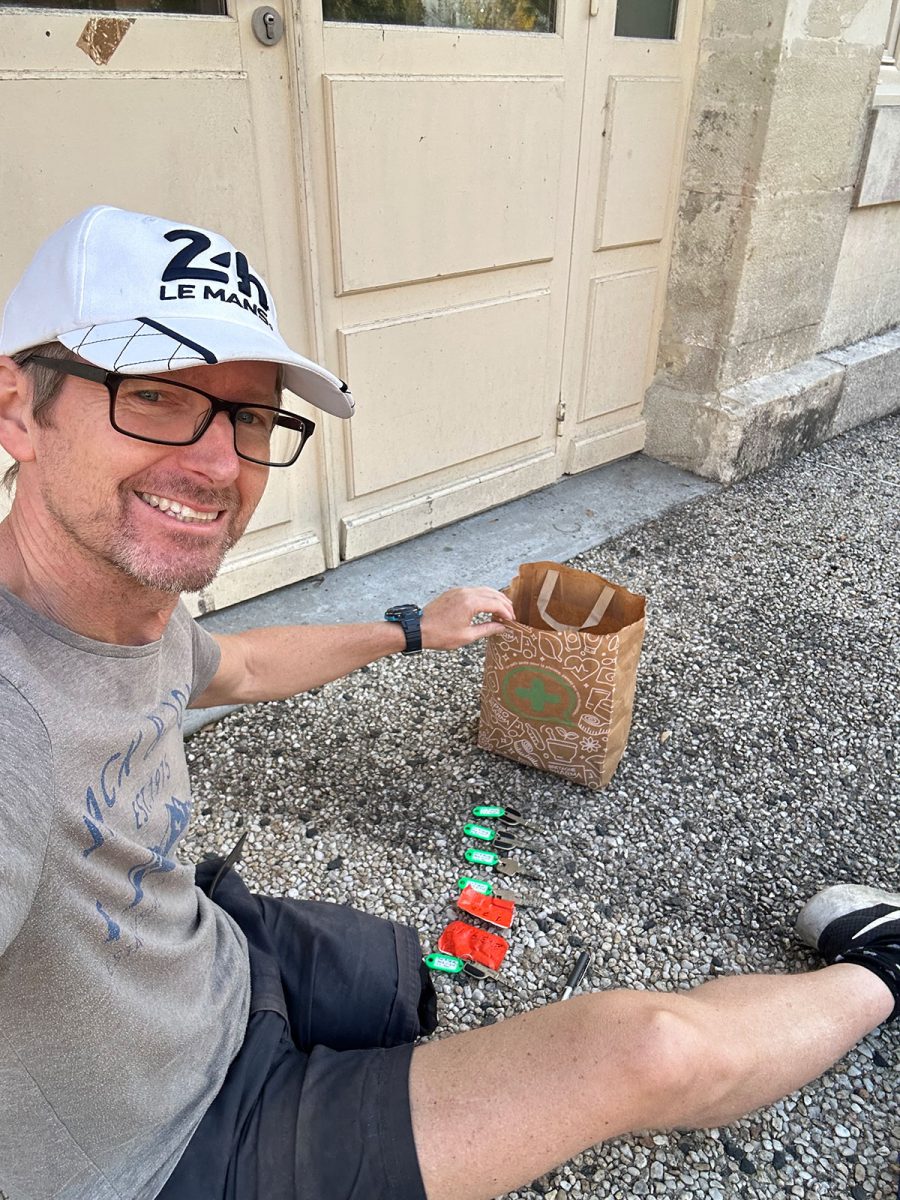
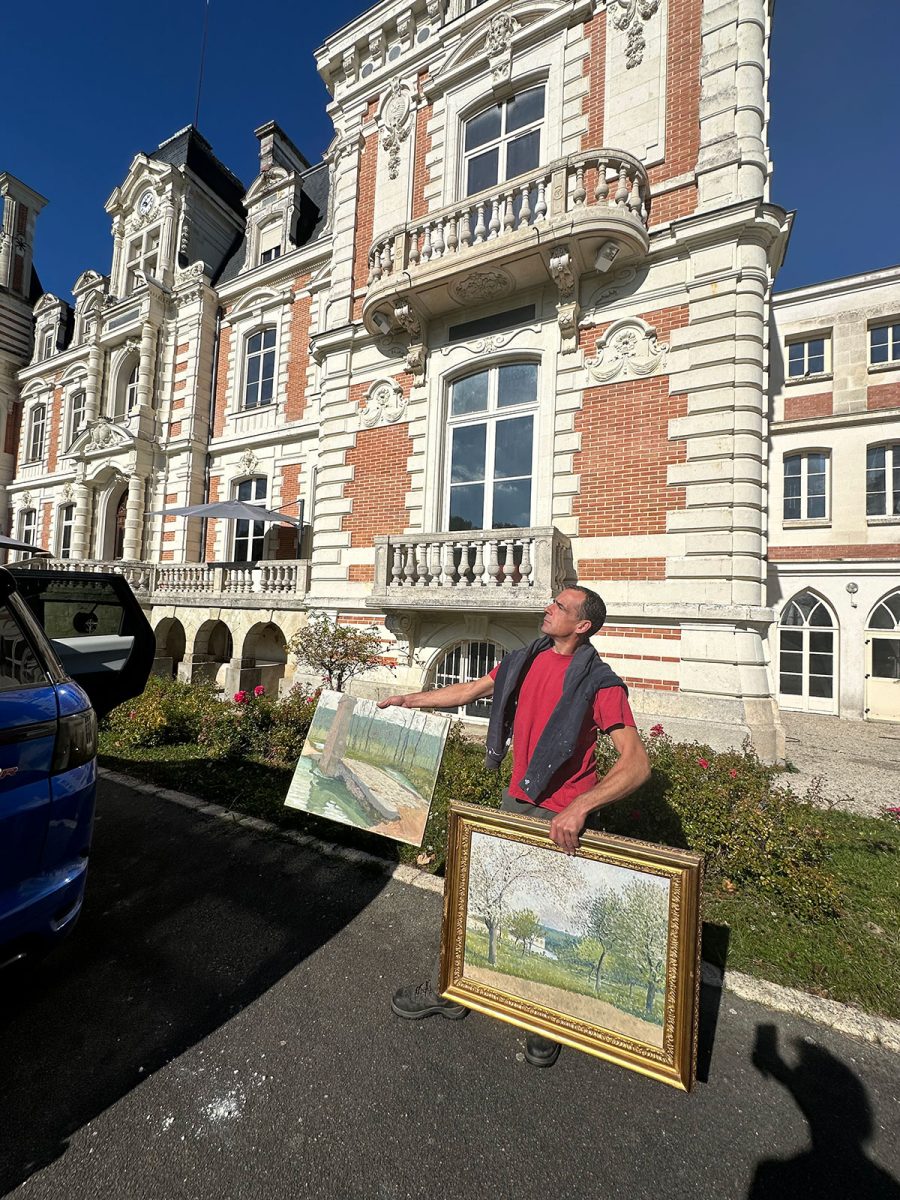
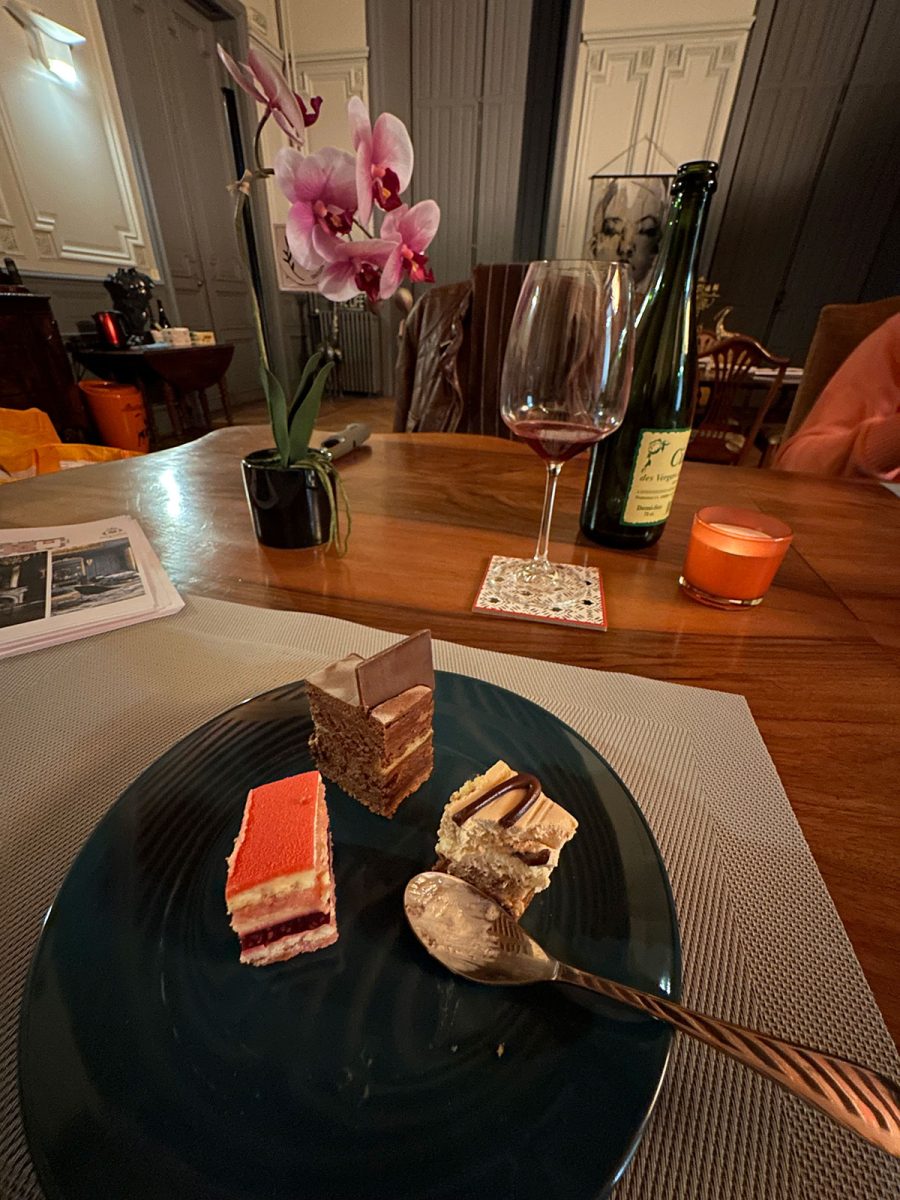
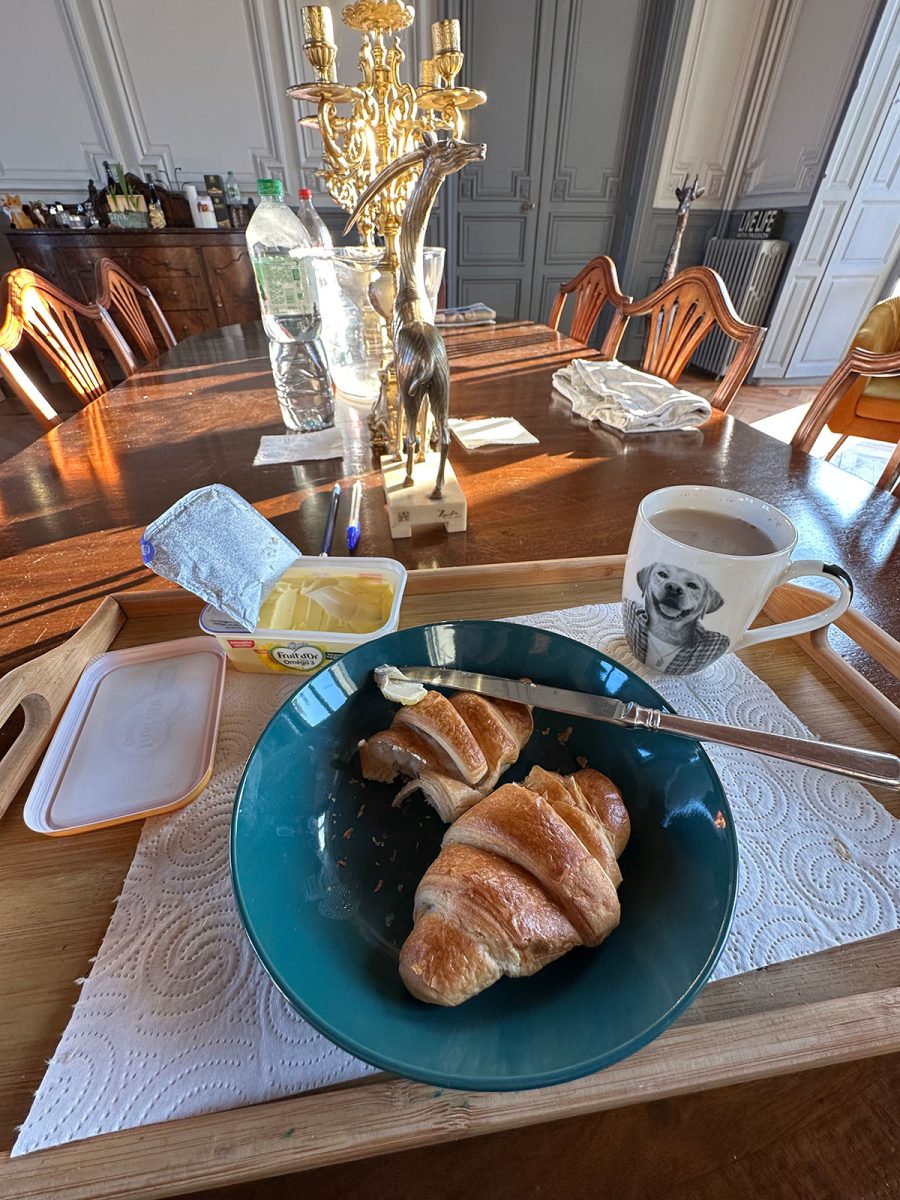
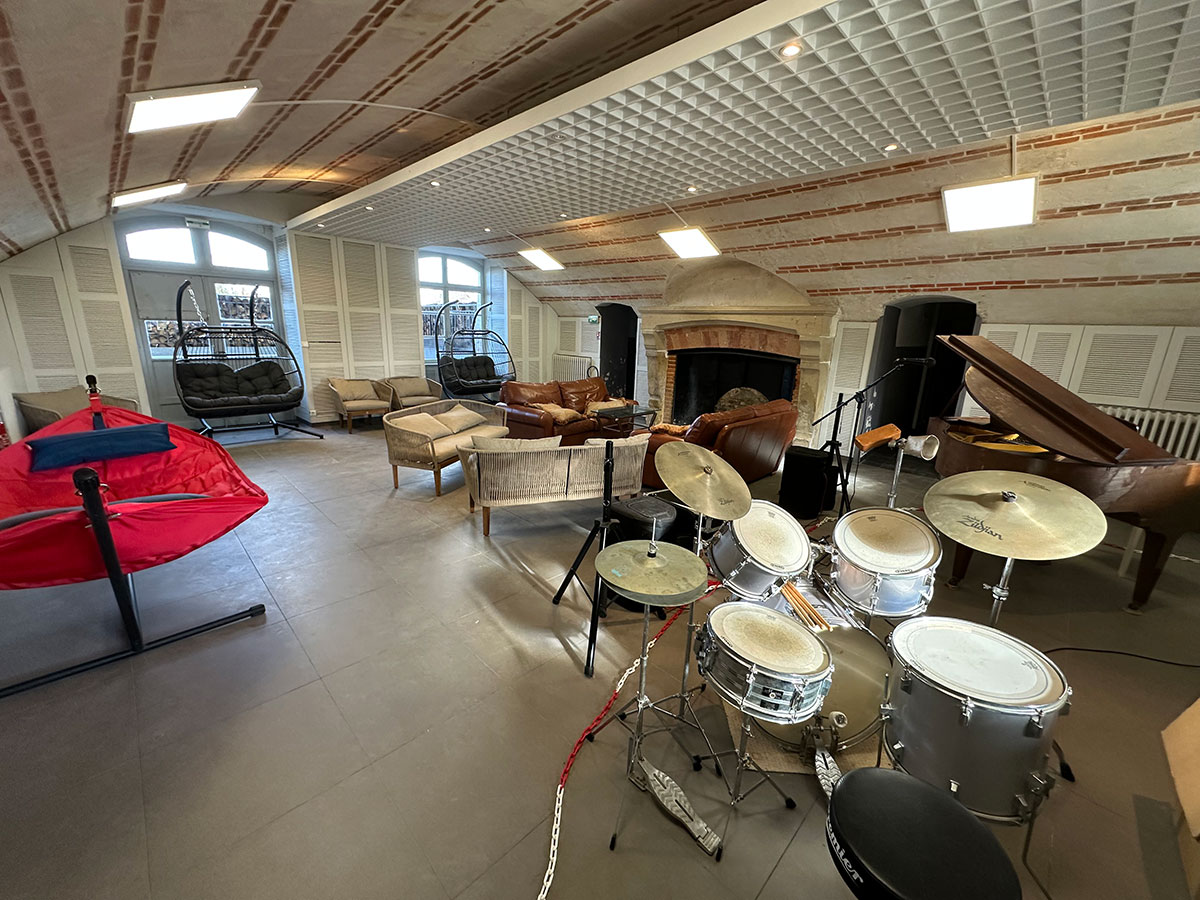
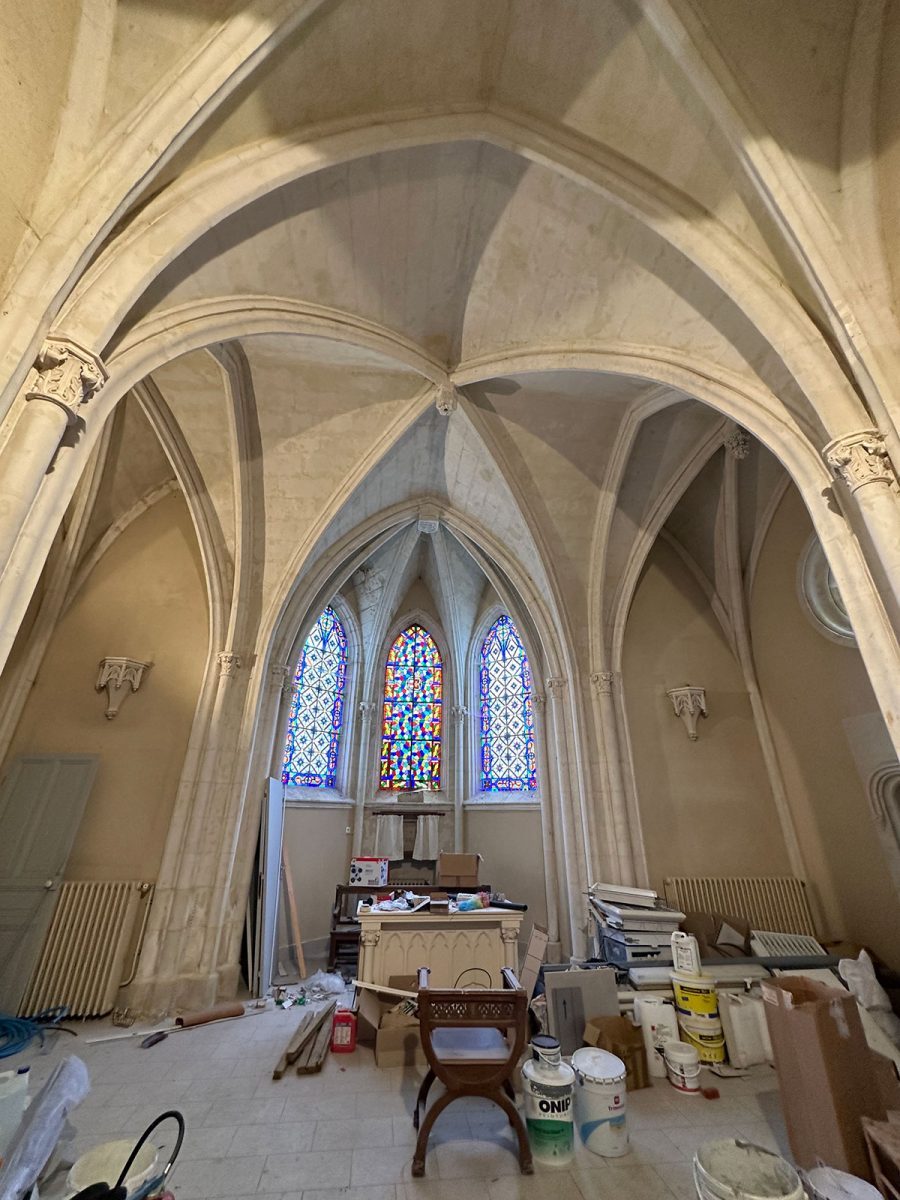
Beyond the main building, Château de Savonnières revealed a succession of further “wow moments” that cemented Giles’ love for the estate. The chapel features vaulted ceilings and stained glass windows, perfect for high-end weddings. The garage was a further standout feature, resembling an aircraft hangar that spans around a thousand square metres. “If I squeezed cars from bumper to bumper, I could fit about seventy,” he laughed. “If I were more sensible, I could fit thirty with a championship-sized snooker table under hangar lights next to an honesty bar.” Guests could watch Le Mans or head into the nearby town on a shuttle bus, secure in the knowledge that their vehicles were safely tucked away.
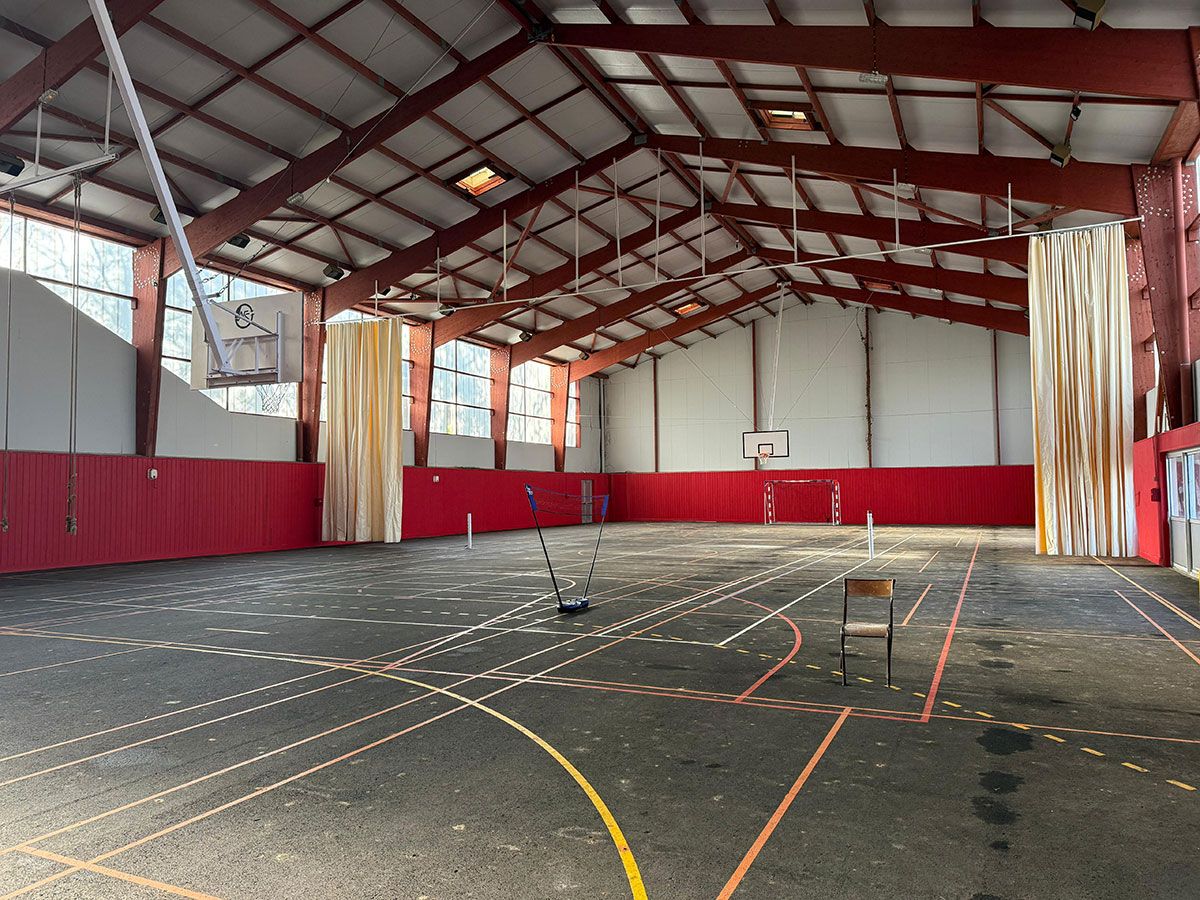
The stables form a bird’s-eye horseshoe shape, and lie 70m to the east of the château. They had already been converted and fitted with double glazing, insulation, modern doors and disabled access. 150m to the west, Giles found an extensive sports infrastructure including a large gym complex, tennis courts, 400m running track and a skate park. “I realised this place had country-club potential,” Giles remarked. “If I took you on a guided tour, it would take four hours to see everything.” With 180 rooms and land stretching as far as the eye can see, he felt that the greater risk was not renovating and running the château, but failing to purchase it. It became clear that he could search for the rest of his life and wouldn’t find another property with this value.
The château’s distance from the sea gives it a seasonal theatre that Jersey does not experience, with warmer summers and snowfall in winter. He described his first winter there, “opening the big wooden shutters, four and a half metres high, looking out on this winter wonderland,” and feeling in total awe of the view: “everything I could see was part of the château’s property, dressed in white.” He feels far more connected to nature while there, and hopes Jersey travellers will find the experience both familiar and foreign. The guest experience aims to make people feel at home, and is evolving into something that feels easy and autonomous, with plans for near-contactless systems allowing guests to check in at any hour through an app. “It’s my dream to reach a point where people can move through the main gate, grand château door and into their reserved bedroom using only their phone, almost like they own the place and have a house key in their pocket. A home away from home, merging tradition with tech.”
Completing renovations with limited mobility has been far from easy. Rather than the glamorous fantasy often associated with château ownership, Giles’ reality has included crutches, scooting along the floor on a skateboard, exhaustion and pain that makes everyday actions difficult. Left exhausted from a long day negotiating furniture prices, he slipped on his crutch during a short walk after dinner in Angers. His amputation had taken place just forty-three days earlier. “I had no left leg to stop myself so I went down like a sack of potatoes onto flagstone paving,” he said. “I fractured the neck of my femur on the freshly amputated leg.”
Lying in the rain with his stump involuntarily shaking, he relied on local students to help him reach his hotel. After an unsuccessful attempt to sleep, he got a taxi to the hospital the next morning.
The environment felt like a fever dream, lying hungry in a corridor bed with police-escorted prisoners shouting in close proximity to him. These conditions paled in comparison to his real fear, which was waking up in a foreign hospital with another piece of metal in his body, after years of infection-related suffering.
“I ended up discharging myself,” he said, despite stern warnings not to. After taking a taxi to his car, he discovered he had just fifteen kilometres of fuel left with one hundred kilometres still to travel. This forced a midnight stop at a petrol station, where he struggled to refuel while holding himself upright through spasms. He remembers his thoughts carrying him through, telling himself, “if I can get through this, I can get through anything. So I’m just going to keep going.”
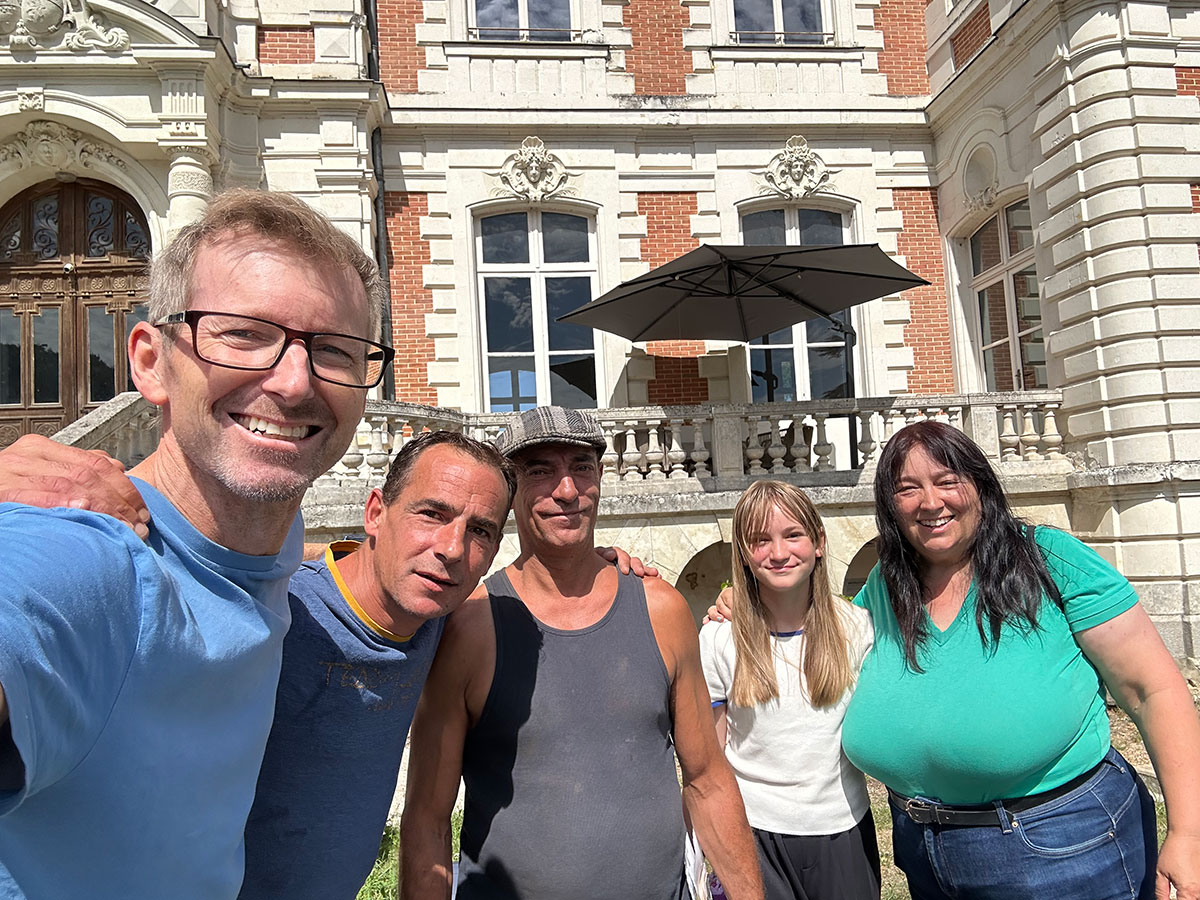
Despite experiences such as these, Giles has overcome adversity and is now at the stage where he is welcoming guests to the hotel. Five chambres d’hôtes (bed-and-breakfast) rooms are complete and ready, with a full-scale hotel regulatory approval pending to use another ten, freshly prepared rooms. For now, rooms are priced at a much more affordable rate than those in neighbouring Relais & Châteaux style hotels. “I’ve purposefully started at 75 euros a night for single occupancy, 100 for a double and 150 for a triple,” he said. He has already hosted a wedding for fifty-five people in the chapel. “If you want to stay tomorrow night for 75 euros, come,” he offers.
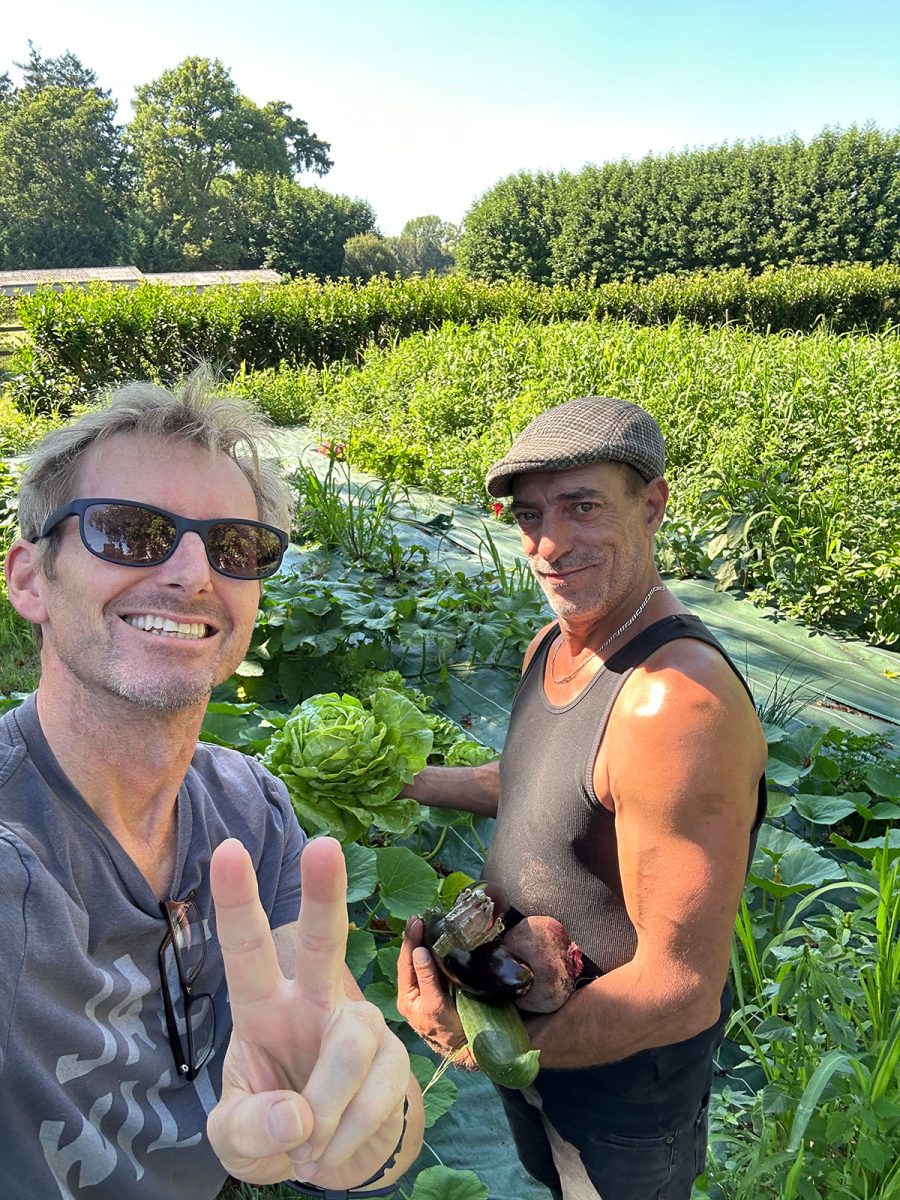
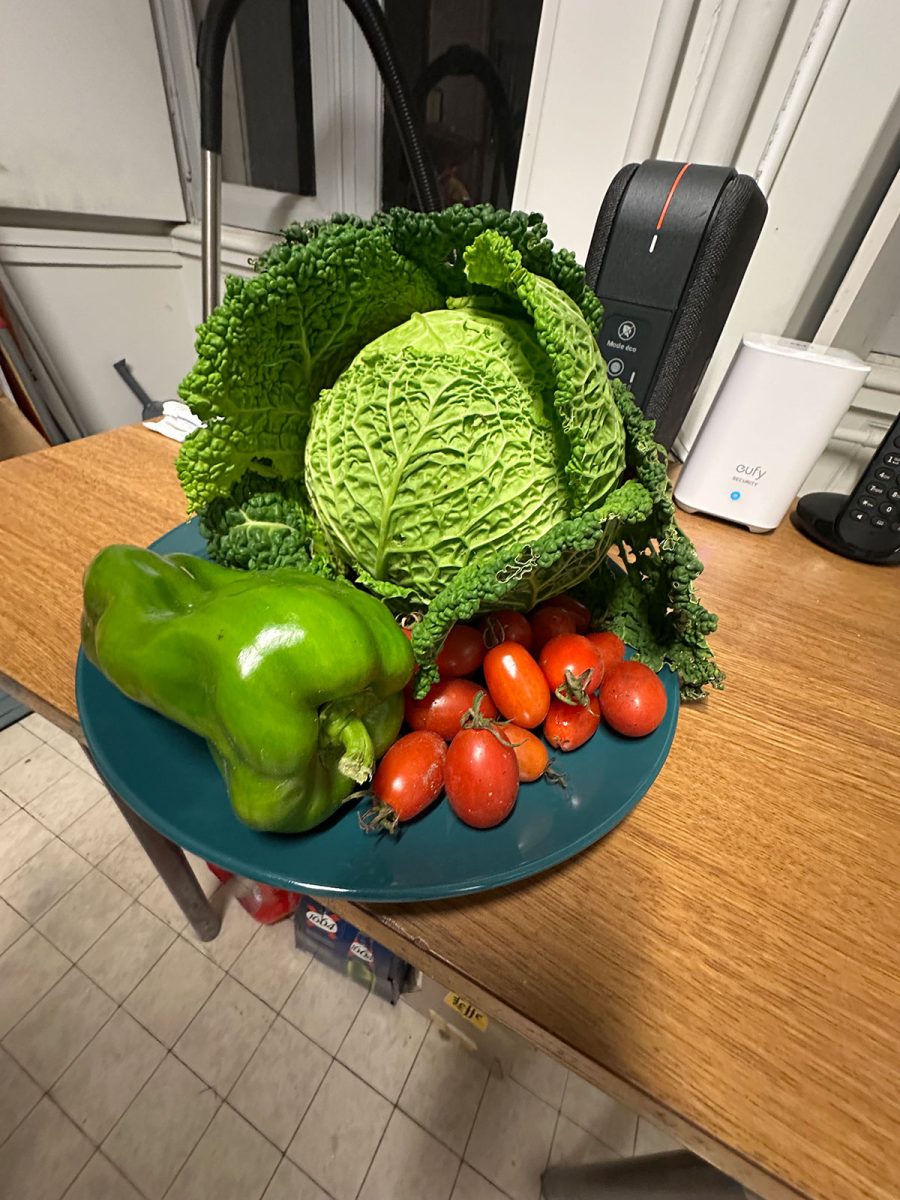
Giles has further ambitions for the château. One particularly distinctive aim is to produce homegrown food on site. “Growing our own produce, that travels only seventy metres from ground to plate, really excites me,” he said. His groundsman is a vegetable grower by trade, and has collectively planted over thirty varieties of potatoes, tomatoes, peppers, cauliflower and cucumbers. “There’s nothing artificial involved and no preservatives because it’s coming straight out of the ground,” he explained. Whether it is tomato soup for late arrivals or a full three-course dinner, Giles hopes this homegrown produce becomes another reason to visit Château de Savonnières. On a more sentimental level, it mirrors the working of the Palace Hotel in Jersey, which had its own farm for homegrown produce.
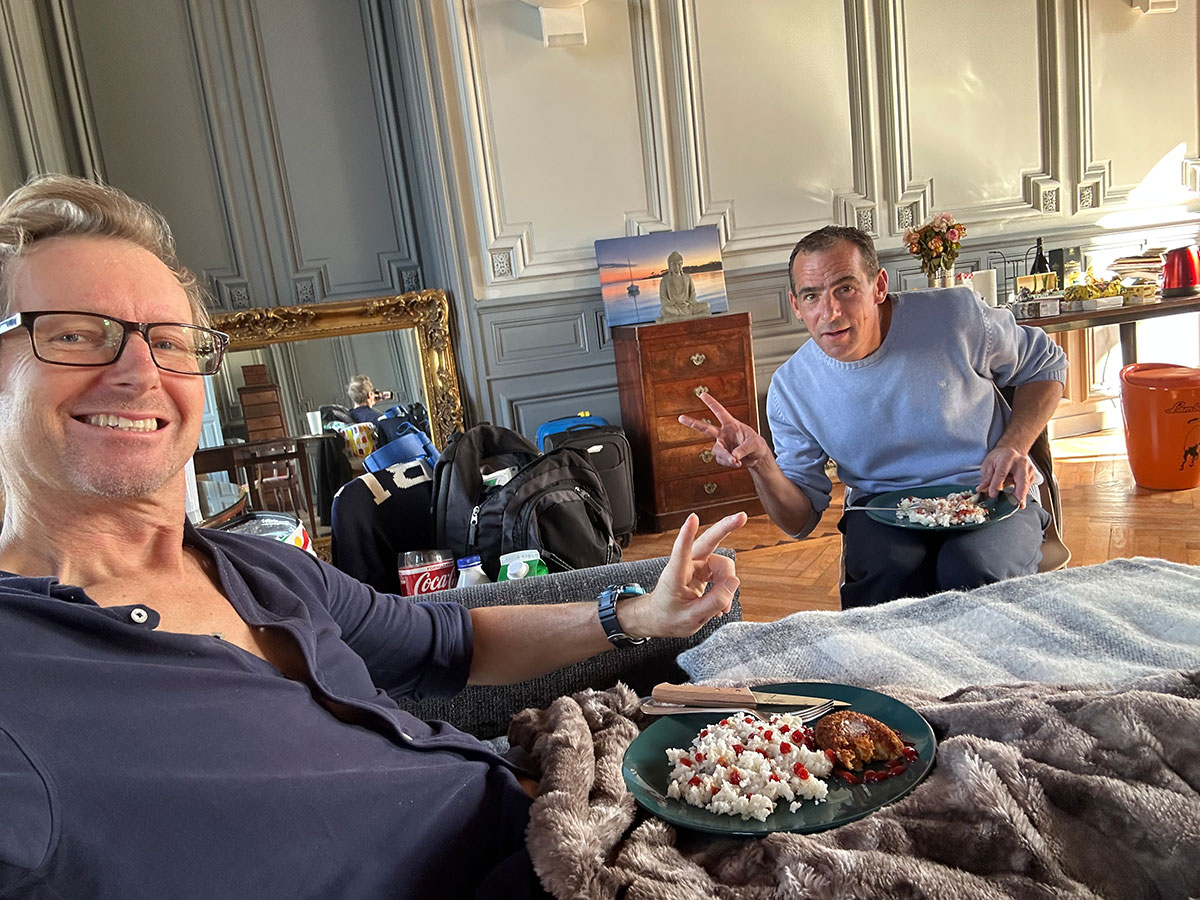
With many ideas for the future, and much enthusiasm, Giles is opening the château to a new chapter of life. He is inviting volunteers to take part in hands-on work shaping the next phase of the transformation of various buildings, ranging from help with interior and exterior painting, fitting LED lighting, carpentry, gardening, groundwork and even cooking for fellow volunteers. Practical building skills are particularly valued, including creating new doorways in non-load-bearing partition walls. He is also keen to welcome artists, sculptors and musicians who want to create work inspired by the château, its grounds and Le Mans car culture.
Some of this work will directly support future facilities designed to improve accessibility for disabled guests, reinforcing the project’s wider ethos of sharing the space rather than hoarding it. Volunteers will receive free accommodation, plus breakfast, lunch and dinner during their stay, along with discounted visits afterwards as a thank you. “Hopefully it will be an interesting chapter in someone’s life and something they can reflect on as a unique, community-minded contribution,” he said. It is ideal for those seeking time out from work and a retreat-style experience in the countryside with like-minded people.
At the heart of Giles’ vision for Château de Savonnières is a refusal to treat the building as a private trophy. “It’s way too big for one person,” he said plainly, describing solo château living as hubris. It also makes little practical sense to him. “Things need to be used,” he explained. “Amongst the new sanitaryware fitted there are 18 showers, 21 toilets and 44 sinks. If you don’t turn on the taps, things seize up.”
He prefers functional generosity, noting that he would rather see everything used at a reasonable price rather than a quarter of it priced to match neighbouring luxury châteaux. His long-term vision is rooted in accessibility, shaped by his own experience of limitation and a desire to remove barriers for others. This, paired with his underlying intention to revive a long-lost family inheritance, has made Château de Savonnières feel like more of a legacy than an indulgence. In the future, Giles hopes that he’ll be able to provide low- or no-cost breaks for fellow amputees in Jersey, with the aim of opening up opportunities and helping travel feel less like an obstacle course. This ambition traces back to his core memory at Ashridge College twenty years ago, mulling over how he’d like to be remembered. “Doing something positive for others, despite personal adversity,” he said. “That’s an epigraph I’d like on my gravestone.”
Anyone interested in helping with the renovation of Château de Savonnières can contact Giles by emailing giles.corbin@gmail.com, using the subject line ‘Château Volunteering’, and outlining their contact details along with the skills or areas they would like to help with.
@chateaudesavonnieres / chateaudesavonnieres.com